


Papua New Guinea📸 Photo album · 4 photos · Ultra-HD
Highland festivals, rainforests and hundreds of cultures
🕒 –:– local time0 stories this week0 sources 6 top placesCapital Port Moresby
People reached New Guinea at least 50,000 years ago, when lower sea levels joined it to Australia. In the highland valleys they became some of the world's earliest farmers: at Kuk Swamp, now a World Heritage Site, drainage ditches show that people were cultivating plants such as taro and bananas thousands of years ago. Around 3,500 years ago Austronesian-speaking seafarers, associated with distinctive Lapita pottery, settled the coasts and islands, adding to an extraordinary patchwork of cultures that today speaks more than 800 languages.
Portuguese and Spanish navigators sighted the island in the 16th century, but outsiders long stayed on the coasts. In 1884 the eastern half of New Guinea was divided between Germany in the north and Britain in the south. Australia took over British New Guinea, renamed Papua, in 1906, and after the First World War it also administered German New Guinea under a League of Nations mandate. In the 1930s gold prospectors and patrols entered the populous Highlands, encountering communities who had never met outsiders.
During the Second World War the territory became a major battleground between Japanese and Allied forces, including the gruelling campaign along the Kokoda Track in 1942, in which local carriers played a vital role. After the war Australia administered Papua and New Guinea together, moving them towards self-rule. Papua New Guinea became independent on 16 September 1975 as a parliamentary democracy within the Commonwealth. The nation later went through a long conflict on Bougainville, which ended with a peace agreement in 2001 and an autonomous government there.
For travellers, PNG offers one of the most culturally diverse experiences on Earth: elaborate highland sing-sings, spirit houses along the Sepik River, mask festivals in New Britain, historic war trails, and coral reefs ranked among the richest in the world. It rewards those who travel with careful planning and local guides.
Entry rules depend on your passport and change often.
Before you book, check the official rules for your passport:
The latest visa and entry news for Papua New Guinea appears below as soon as publishers report it.
🛰️ The agents haven't spotted fresh news about Papua New Guinea in the last few days – here is the travel guide, plus the latest from nearby countries.
Reading Time: 2 minutes Australia: Hotel giant Accor is moving in to living sector management through a partnership with Freecity, a volumetric modular construction (VMC) specialist.
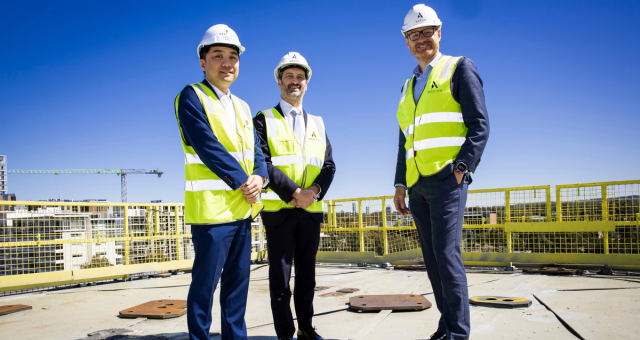 #Australia#Accor#Hotels & Stays
Pirates, we've found a rare deal on flights to Sydney, Australia from $694 round trip! While you'd normally pay over $1,300 for flights from the mainland US or Canada, this deal will save you over 45% off. Explore Sydney and…
 #Australia#United States#Sydney#Deals & Budget
Travel Disruption Warning: Cataclysmic Super Typhoon Choi-Wan Fiercely Ravages Northern Mariana Islands, Guam And Other Countries Here’s the Latest Wind Speed Data Travellers Need To Know Super Typhoon Choi-Wan travel disruption…
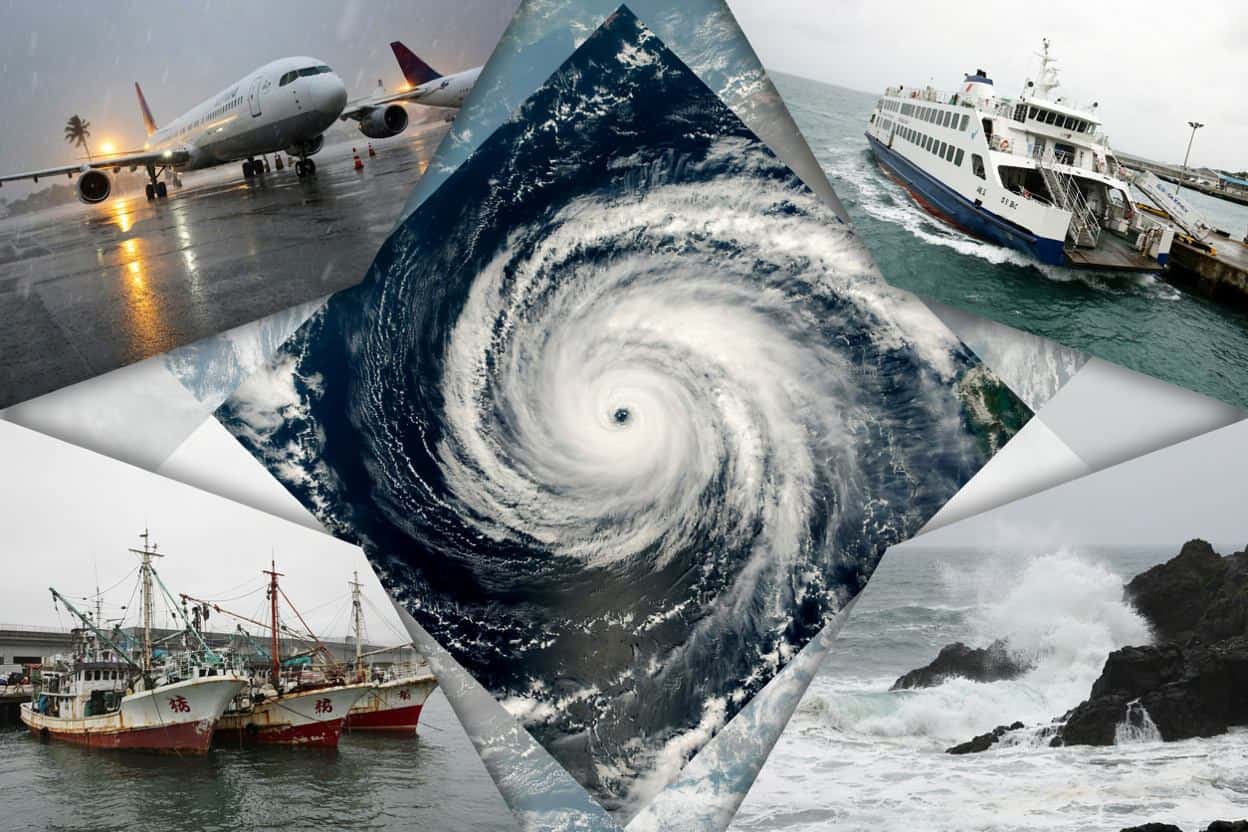 #Northern Mariana Islands#Guam#Typhoons#Islands
Philippine Airlines (PAL) announced it will restore nonstop flights between Ninoy Aquino International Airport (MNL) in Manila and…
 #Philippines#Northern Mariana Islands#Manila#Saipan
From 30/09/2026 to 04/10/2026, a Hurricane/Typhoon > 74 mph (maximum wind speed of 250 km/h) CHOI-WAN-26 was active in NWPacific. The cyclone affects these countries: Guam, Northern Mariana Islands, Russian Federation, United…
 #Guam#Northern Mariana Islands#Hurricanes#Typhoons
Papua New Guinea is hot and humid on the coast and noticeably cooler in the Highlands. Rainfall varies greatly by region, with some areas wet all year and Port Moresby relatively dry.
Typical daytime highs and rain in Port Moresby (approximate averages).
Days 1-2 in Port Moresby. Days 3-5 fly to the Highlands to visit villages around Goroka or Mount Hagen. Days 6-7 visit Rabaul or Tufi for volcanoes or fjords.
Days 1-2 Port Moresby, Days 3-6 the Highlands (ideally during a show), and Days 7-10 a guided Sepik River trip. Finish with Days 11-14 diving in Kimbe Bay or relaxing in Milne Bay.
Backpacker budget: about $70–110 a day
Emergency: 112 police · 111 ambulance · 110 fire
Jacksons International Airport in Port Moresby is the main gateway, with flights from Australia, Asia and the Pacific. There are no tourist-friendly land borders, and onward travel within PNG is mainly by air.
✈️ Cheap flights to Papua New Guinea: airports, flight times & best time to fly →
PNG has serious crime problems in some cities and occasional tribal conflict in the Highlands. Most visitors travel safely by using reputable guides and tour operators; check your government's latest travel advice before booking.
May to October is generally drier, and August and September host the major Highland shows. Rainfall varies widely by region.
A week covers the Highlands and one coastal area. Two weeks or more allows for a Sepik River trip, diving or a Kokoda trek.
Tok Pisin, English and Hiri Motu are the official languages, with more than 800 local languages spoken.
It depends on your passport. Check the official Papua New Guinea government website or your nearest embassy before you travel.
Approximate daily cost per person (stay, food, local transport).
Few roads connect the regions, so domestic flights are the main way to travel. Use trusted local guides and pre-arranged transport.
Nothing in this tab yet – the agents add new stories every few minutes.
🌏 You reached the start of our archive.
.jpg/500px-Pacific_Partnership_2024-2_Band_Performs_at_Gilman_Elementary_School_in_Yap,_Federated_States_of_Micronesia_(8643664).jpg)
 MicronesiaAncient stone ruins, WWII wrecks and remote Pacific islands
 Solomon IslandsWWII history, lagoons and village life off the beaten track
.jpg/500px-Jellyfish_Lake_aerial_(March_2008).jpg)

 PalauMushroom-shaped Rock Islands and world-class diving
 Timor-LesteUntouched reefs, mountain trails and coffee country
 GuamChamorro culture, warm lagoons and Pacific sunsets

 AustraliaIconic cities, red outback and the Great Barrier Reef
 Northern Mariana IslandsWarm lagoons, WWII history and island beaches near Guam
 NauruA tiny coral island nation with rugged cliffs and quiet beaches