Guam📸 Photo album · 3 photos · Ultra-HD


Chamorro culture, warm lagoons and Pacific sunsets
🕒 –:– local time2 stories this week2 sources 5 top placesCapital Hagåtña
Guam was first settled around 3,500 years ago by seafaring people from island Southeast Asia, the ancestors of today's CHamoru. Over the centuries they developed a sophisticated society of clans and villages, grew rice – unusual in the Pacific – and, from roughly a thousand years ago, raised houses on latte stones, distinctive pillars topped with hemispherical capstones that remain the island's enduring symbol.
Ferdinand Magellan's expedition stopped at Guam in 1521, the first recorded European contact in the region. Spain formally claimed the island in 1565, and from 1668 Jesuit missionaries established a permanent mission, leading to decades of resistance and upheaval for the CHamoru people. For more than two centuries Guam served as a supply stop for the Manila galleons crossing between Asia and the Americas, and Catholicism, Spanish words and village fiestas became woven into local culture.
Following the Spanish-American War of 1898, Guam was ceded to the United States and run largely as a naval station. Japanese forces occupied the island from December 1941 until American troops retook it in July 1944, an episode remembered each year on Liberation Day. The Organic Act of 1950 granted US citizenship and civilian government, and Guam elected its first governor in 1970. Today it remains an unincorporated US territory, with a large military presence and a busy tourism industry drawing visitors from across Asia.
For travellers, Guam combines turquoise lagoons and resort beaches in Tumon with a living CHamoru culture expressed in language, food, weaving and village fiestas. Spanish-era churches and forts, latte stone sites and Second World War memorials sit alongside jungle waterfalls, making the island a surprisingly varied destination.
Entry rules depend on your passport and change often.
Before you book, check the official rules for your passport:
The latest visa and entry news for Guam appears below as soon as publishers report it.
Travel Disruption Warning: Cataclysmic Super Typhoon Choi-Wan Fiercely Ravages Northern Mariana Islands, Guam And Other Countries Here’s the Latest Wind Speed Data Travellers Need To Know Super Typhoon Choi-Wan travel disruption…
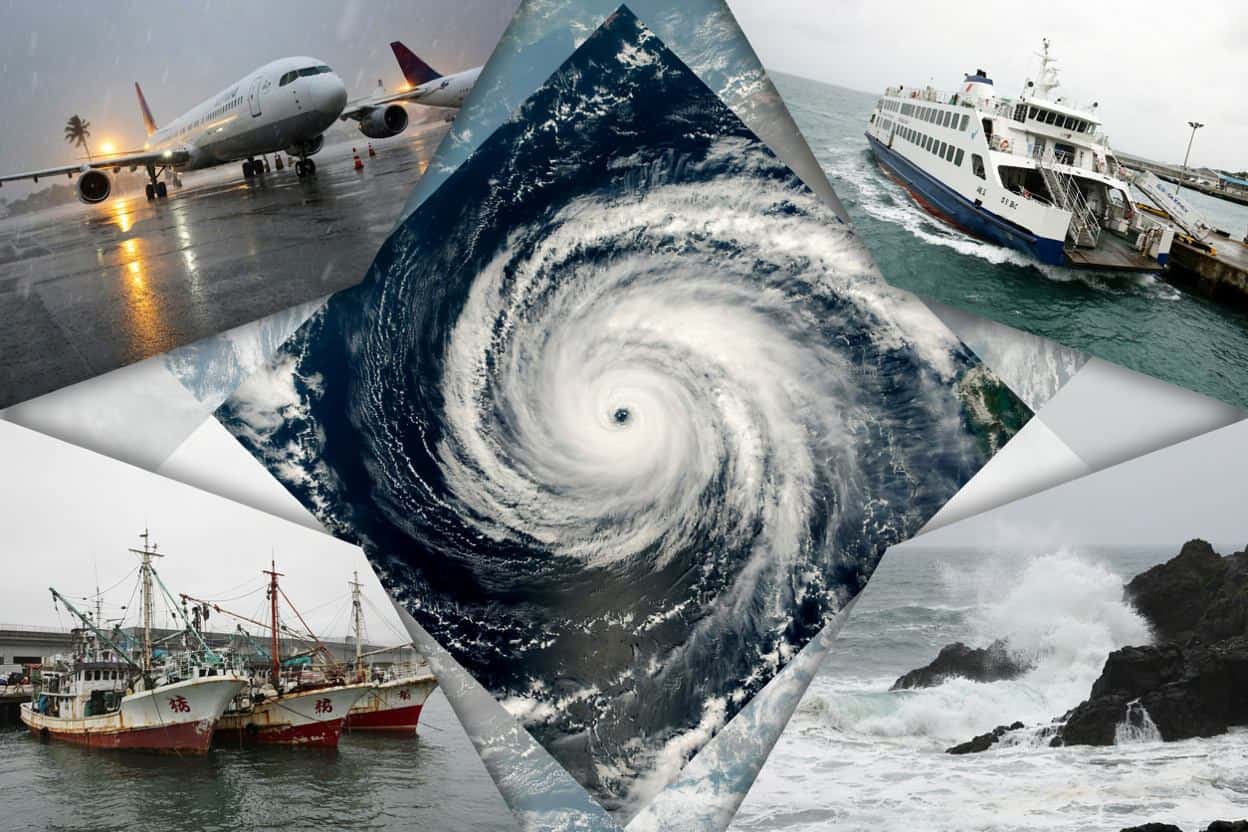 #Northern Mariana Islands#Guam#Typhoons#Islands
From 30/09/2026 to 04/10/2026, a Hurricane/Typhoon > 74 mph (maximum wind speed of 250 km/h) CHOI-WAN-26 was active in NWPacific. The cyclone affects these countries: Guam, Northern Mariana Islands, Russian Federation, United…
 #Guam#Northern Mariana Islands#Hurricanes#Typhoons
Guam is hot and humid all year, with temperatures barely changing between seasons. The difference is rainfall: a clear dry season early in the year and a wet, typhoon-prone season in late summer and autumn.
Typical daytime highs and rain in Hagåtña (approximate averages).
Day 1: Tumon Bay snorkelling and sunset at Two Lovers Point. Day 2: Hagåtña's Plaza de España, Latte Stone Park and the Chamorro Village market. Day 3: a southern drive to Umatac, Cetti Bay and Inarajan. Day 4: Ritidian Point and a final beach afternoon.
Day 1-2: Tumon and Two Lovers Point. Day 3: Hagåtña and museum time. Day 4-5: the southern villages, waterfalls and War in the Pacific park. Day 6: diving or a boat trip in Apra Harbor. Day 7: Ritidian Point and the northern beaches.
Backpacker budget: about $70–110 a day
Emergency: 911 police, fire & ambulance
Antonio B. Won Pat International Airport is the gateway, with frequent flights from Japan, South Korea, the Philippines and Honolulu.
✈️ Cheap flights to Guam: airports, flight times & best time to fly →
Yes, Guam is generally safe and visitor-friendly. Be careful with valuables in parked cars, swim only in protected lagoons and watch typhoon alerts in the wet season.
The dry season from January to May offers the sunniest weather. July to October is wetter and has the highest typhoon risk.
Guam follows US entry rules, with some special programmes for certain nationalities, and requirements depend on your passport. Check the official US government site or embassy before you travel.
Three to four days covers the main beaches, history and a southern drive. A week gives time for diving and slower exploring.
Try red rice, chicken kelaguen, kadon pika (spicy chicken stew), barbecue and finadene sauce. Village fiestas and the Chamorro Village night market are great places to taste them.
Approximate daily cost per person (stay, food, local transport).
Rental cars are the easiest option, as public buses are limited. Trolleys and shuttles serve the Tumon hotel area.
Nothing in this tab yet – the agents add new stories every few minutes.
🌏 You reached the start of our archive.

 Northern Mariana IslandsWarm lagoons, WWII history and island beaches near Guam
.jpg/500px-Pacific_Partnership_2024-2_Band_Performs_at_Gilman_Elementary_School_in_Yap,_Federated_States_of_Micronesia_(8643664).jpg)
 MicronesiaAncient stone ruins, WWII wrecks and remote Pacific islands
.jpg/500px-Jellyfish_Lake_aerial_(March_2008).jpg)

 PalauMushroom-shaped Rock Islands and world-class diving
 Papua New GuineaHighland festivals, rainforests and hundreds of cultures
.jpg/500px-Cityscape_of_Manila,_2025_(01).jpg)

 PhilippinesOver 7,000 islands of beaches, reefs and rice terraces

 JapanAncient temples, neon cities and legendary food
 TaiwanNight markets, marble gorges and misty mountain tea
 NauruA tiny coral island nation with rugged cliffs and quiet beaches