.jpg/1920px-Jellyfish_Lake_aerial_(March_2008).jpg)

.jpg/1920px-Main_St,_Koror,_Palau_-_panoramio_(1).jpg)



Palau📸 Photo album · 6 photos · Ultra-HD
 Palau
PalauMushroom-shaped Rock Islands and world-class diving
🕒 –:– local time0 stories this week0 sources 6 top placesCapital Ngerulmud
Palau's islands were settled by seafaring peoples, probably from Island Southeast Asia, around three thousand years ago or more. Over the centuries Palauans built a complex society based on matrilineal clans, villages led by councils of chiefs and a traditional money system using rare beads and ceramic pieces. They carved stone terraces into the hills of Babeldaob and raised great meeting houses called bai, richly painted with story-boards depicting legends. One extraordinary tradition saw Yapese voyagers quarrying giant stone discs in Palau's Rock Islands and carrying them home by canoe to use as money.
European contact grew in the eighteenth century: in 1783 the British ship Antelope wrecked off Palau, and its crew were helped by the High Chief Ibedul of Koror. Spain claimed the islands in the nineteenth century, then sold them to Germany in 1899. Japan took control in 1914 and, under a League of Nations mandate, developed Koror into a busy administrative town. During the Second World War, US forces fought a fierce battle on Peleliu and Angaur in 1944; tanks, planes and bunkers still lie in the jungle and on the seabed.
After the war Palau became part of the US-administered Trust Territory of the Pacific Islands. Palau adopted its own constitution in 1981 and, after several referendums, entered a Compact of Free Association with the United States, becoming independent in 1994. The capital moved from Koror to Ngerulmud on Babeldaob in 2006.
Today Palau is renowned as a global leader in ocean conservation, protecting most of its waters in a vast marine sanctuary. Visitors come for the extraordinary diving and the UNESCO-listed Rock Islands Southern Lagoon, but also find a living culture in village bai, ancient stone monoliths at Badrulchau and wartime relics on Peleliu.
Entry rules depend on your passport and change often.
Before you book, check the official rules for your passport:
The latest visa and entry news for Palau appears below as soon as publishers report it.
🛰️ The agents haven't spotted fresh news about Palau in the last few days – here is the travel guide, plus the latest from nearby countries.
Philippines Advances Cruise Future as Manila Terminal Plan Emerges and Puerto Princesa Expands Travel Gateway Philippines cruise growth lifts Manila homeport plans while Puerto Princesa expands travel access.
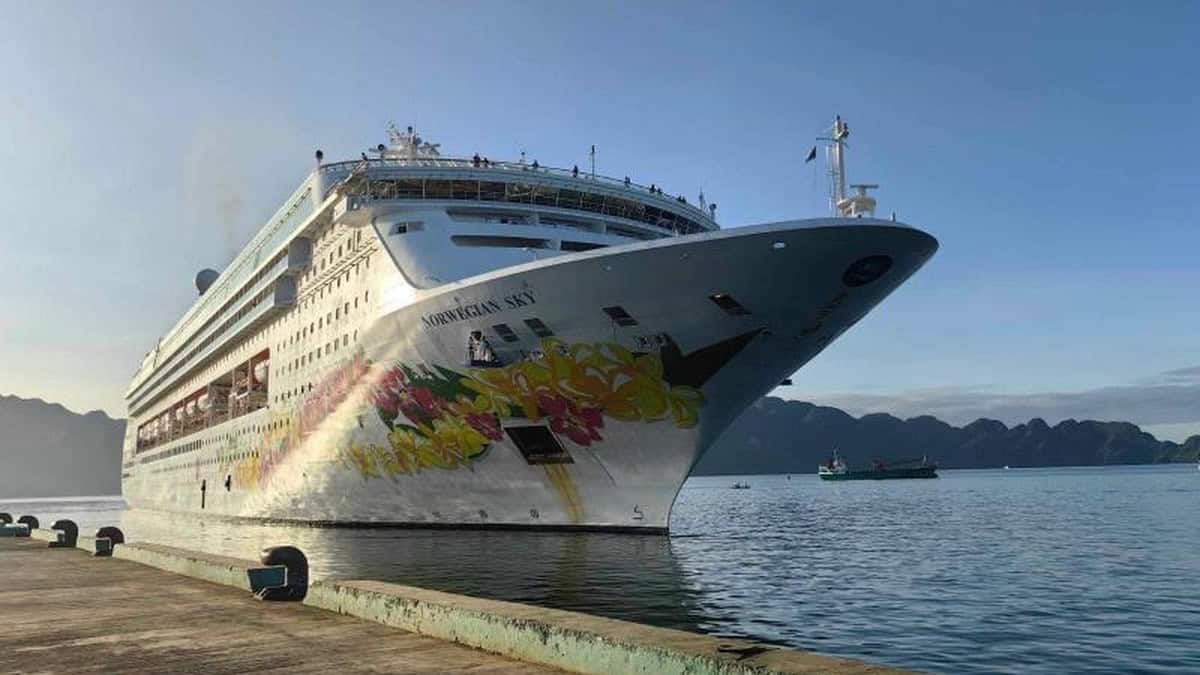 #Philippines#Manila#Cruises
Indonesia's hotel market shows strong ADR growth but stagnant occupancy, with luxury outperforming and midscale under pressure from new supply, contrasting with demand-led recovery in Vietnam and the Philippines.
#Indonesia#Vietnam#Hotels & StaysShenzhen Expands Southeast Asia Cruise Travel as Dream Opens New Homeport Season Across Five Countries Shenzhen’s Dream cruise season adds Vietnam, Malaysia, Brunei and Singapore sailings through early November 2026.
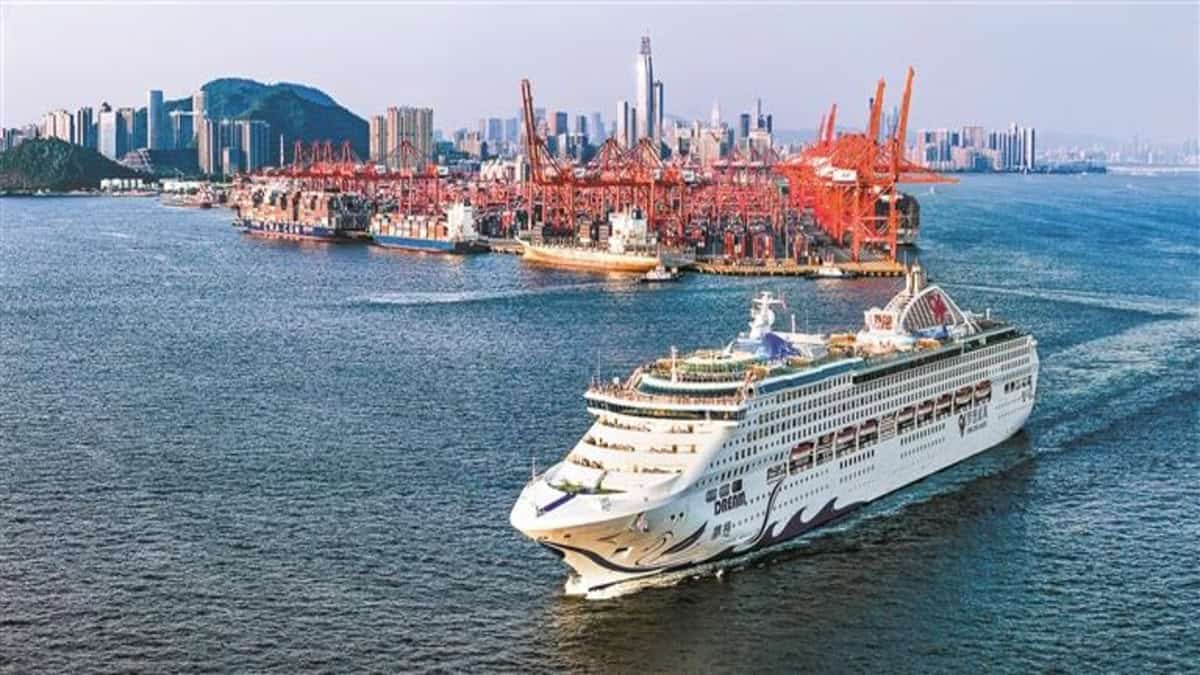 #China#Vietnam#Cruises
Travel Disruption Warning: Cataclysmic Super Typhoon Choi-Wan Fiercely Ravages Northern Mariana Islands, Guam And Other Countries Here’s the Latest Wind Speed Data Travellers Need To Know Super Typhoon Choi-Wan travel disruption…
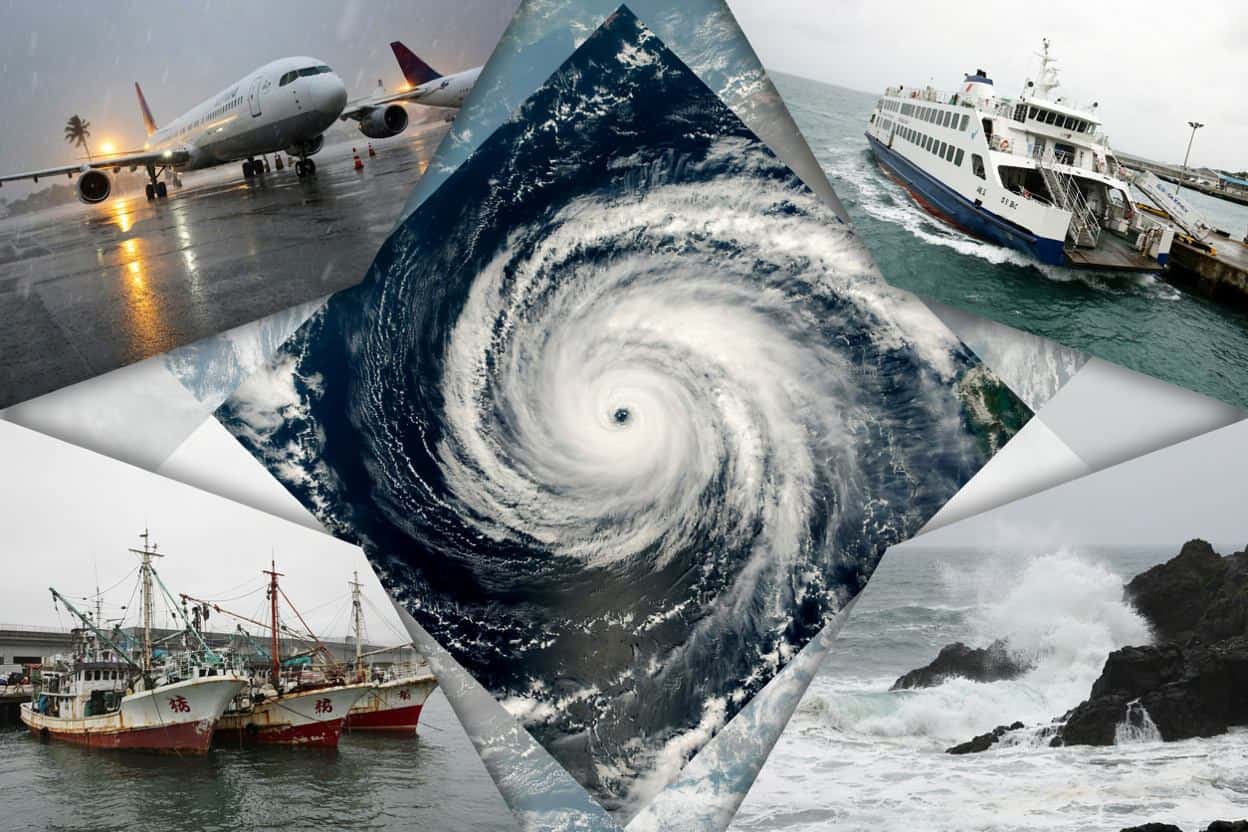 #Northern Mariana Islands#Guam#Typhoons#Islands
Philippine Airlines (PAL) announced it will restore nonstop flights between Ninoy Aquino International Airport (MNL) in Manila and…
 #Philippines#Northern Mariana Islands#Manila#Saipan
From 30/09/2026 to 04/10/2026, a Hurricane/Typhoon > 74 mph (maximum wind speed of 250 km/h) CHOI-WAN-26 was active in NWPacific. The cyclone affects these countries: Guam, Northern Mariana Islands, Russian Federation, United…
 #Guam#Northern Mariana Islands#Hurricanes#Typhoons
Palau is hot and humid year-round, with highs around 30–31 °C. Rain can fall in any month, but the late part of the year is usually calmer for diving.
Typical daytime highs and rain in Koror (approximate averages).
Day 1: Koror's museums and town. Day 2: Rock Islands kayak or boat tour with Milky Way and snorkelling stops. Day 3: dive Blue Corner or snorkel the German Channel. Day 4: Babeldaob waterfalls and stone monoliths.
Day 1-4: Rock Islands dives and kayaking. Day 5: Babeldaob road trip. Day 6-7: Peleliu WWII sites and beaches. Day 8: relax in Koror.
Backpacker budget: about $80–120 a day
Emergency: 911
Palau International Airport (ROR) on Babeldaob, near Koror, has flights connecting via Guam, Taiwan, Manila and other regional hubs.
✈️ Cheap flights to Palau: airports, flight times & best time to fly →
Palau is very safe, with low crime. The main safety considerations relate to diving and sun exposure.
November to April offers calmer seas and the best diving. Rain can occur any time but is usually brief.
Four or five days covers the Rock Islands and a few dives. A week or more is ideal for divers and history buffs.
It depends on your passport – many visitors receive entry on arrival, but rules vary. Check the official Palau government site before you travel.
Jellyfish Lake has been closed at times when jellyfish numbers dropped, so access varies. Check with local tour operators before you visit.
Approximate daily cost per person (stay, food, local transport).
Taxis and hotel shuttles serve Koror; rent a car to drive around Babeldaob. Boats are needed to reach the Rock Islands and Peleliu.
Nothing in this tab yet – the agents add new stories every few minutes.
🌏 You reached the start of our archive.

 GuamChamorro culture, warm lagoons and Pacific sunsets
 Northern Mariana IslandsWarm lagoons, WWII history and island beaches near Guam
.jpg/500px-Cityscape_of_Manila,_2025_(01).jpg)

 PhilippinesOver 7,000 islands of beaches, reefs and rice terraces
.jpg/500px-Pacific_Partnership_2024-2_Band_Performs_at_Gilman_Elementary_School_in_Yap,_Federated_States_of_Micronesia_(8643664).jpg)
 MicronesiaAncient stone ruins, WWII wrecks and remote Pacific islands
 Papua New GuineaHighland festivals, rainforests and hundreds of cultures
 Timor-LesteUntouched reefs, mountain trails and coffee country
.jpg/500px-Tasek_Merimbun_Heritage_Park.Brunei._(9565514695).jpg)
 BruneiGolden mosques, water villages and untouched rainforest
 TaiwanNight markets, marble gorges and misty mountain tea