Micronesia📸 Photo album · 3 photos · Ultra-HD
.jpg/1920px-Pacific_Partnership_2024-2_Band_Performs_at_Gilman_Elementary_School_in_Yap,_Federated_States_of_Micronesia_(8643664).jpg)

Ancient stone ruins, WWII wrecks and remote Pacific islands
🕒 –:– local time0 stories this week0 sources 5 top placesCapital Palikir
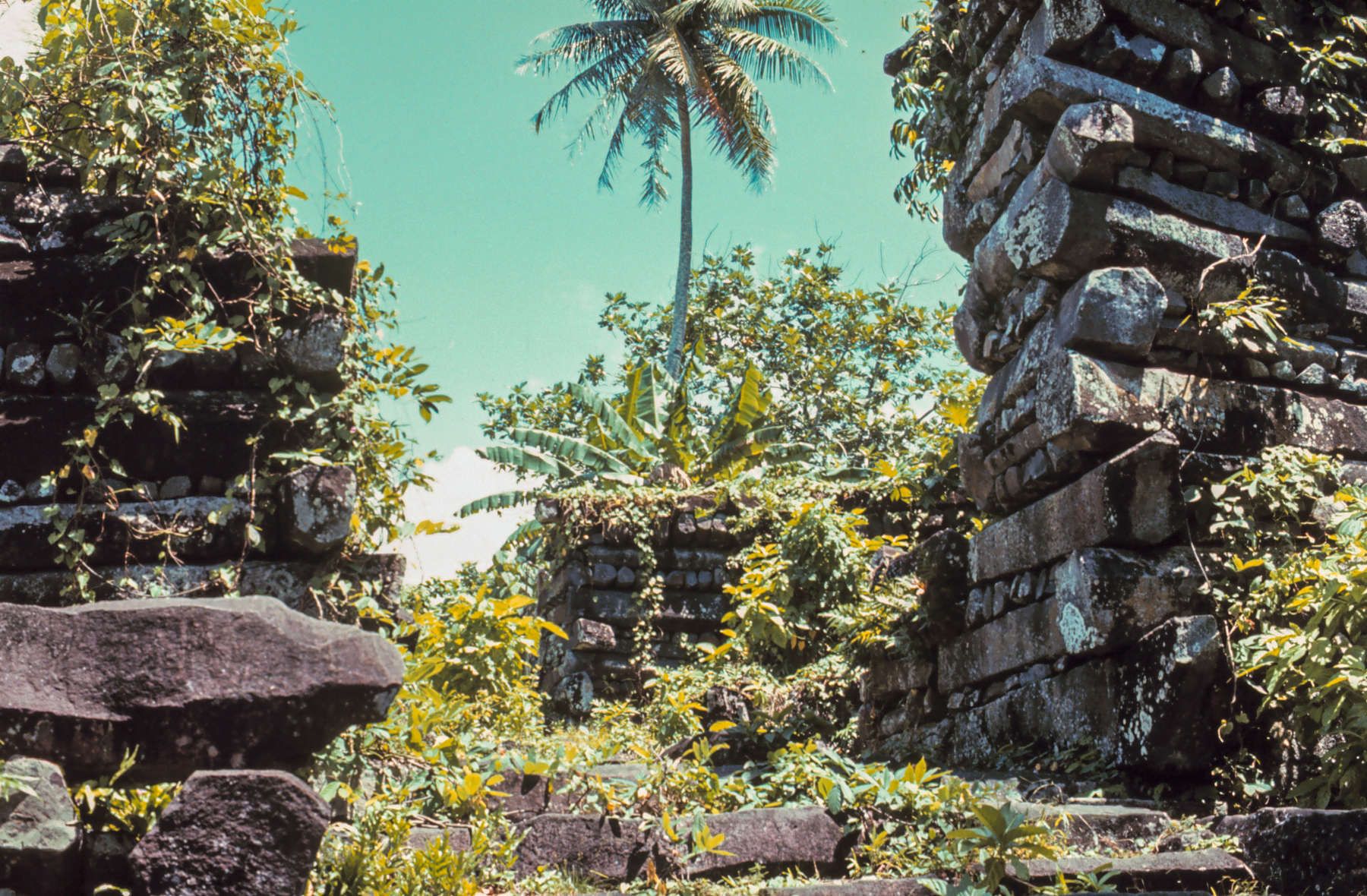
The scattered islands of the Federated States of Micronesia were settled by Pacific voyagers more than two thousand years ago, with different waves reaching Yap from the west and the eastern islands from the south. Over centuries each island group developed its own language, chiefly system and traditions. On Pohnpei, the Saudeleur dynasty ruled from Nan Madol, an astonishing complex of artificial islets built from stacked basalt columns on a coral reef, while Kosrae's rulers built a similar walled city at Leluh. On Yap, giant disc-shaped stones quarried in distant Palau and carried home by canoe served as treasured ceremonial money.
European ships sighted the islands from the sixteenth century, and Spain later claimed the Caroline Islands. Whalers, traders and Protestant missionaries arrived in the nineteenth century, bringing new religions and diseases. In 1899 Spain sold the islands to Germany, and in 1914 Japan took control, later developing plantations, towns and military bases. During the Second World War, Chuuk Lagoon was a major Japanese naval anchorage, and American air raids in 1944 sank dozens of ships there.
After the war the islands became part of the US-administered Trust Territory of the Pacific Islands. The Federated States of Micronesia adopted a constitution in 1979, uniting the states of Yap, Chuuk, Pohnpei and Kosrae, and a Compact of Free Association with the United States came into force in 1986. The country joined the United Nations in 1991, and its capital is at Palikir on Pohnpei.
For visitors, Micronesia offers a remarkable mix of ancient wonders and underwater adventure. Nan Madol is a UNESCO World Heritage Site, Yap preserves its stone money banks and traditional dress, and Chuuk Lagoon is one of the world's great wreck-diving sites, while lush waterfalls, mangroves and quiet reefs reward those who make the long journey.
Entry rules depend on your passport and change often.
Before you book, check the official rules for your passport:
The latest visa and entry news for Micronesia appears below as soon as publishers report it.
🛰️ The agents haven't spotted fresh news about Micronesia in the last few days – here is the travel guide, plus the latest from nearby countries.
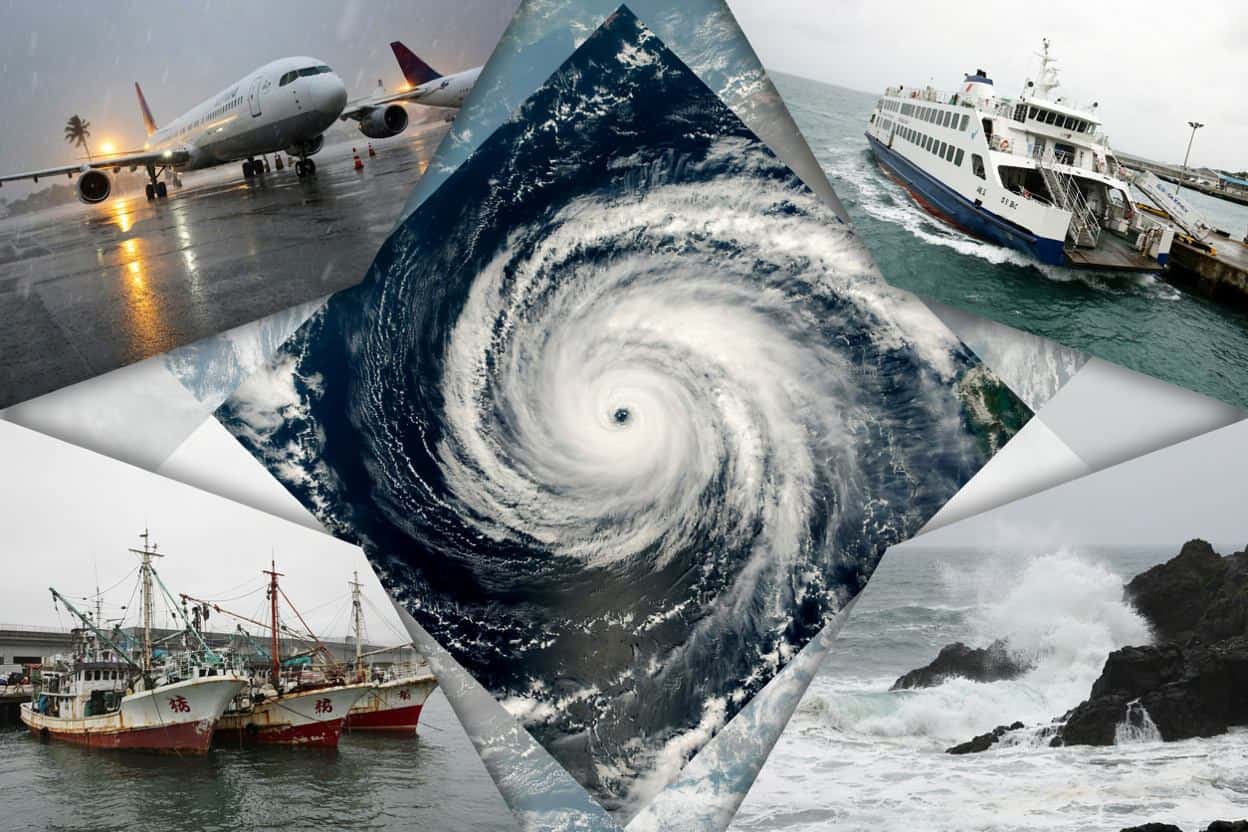
Travel Disruption Warning: Cataclysmic Super Typhoon Choi-Wan Fiercely Ravages Northern Mariana Islands, Guam And Other Countries Here’s the Latest Wind Speed Data Travellers Need To Know Super Typhoon Choi-Wan travel disruption…
 #Northern Mariana Islands#Guam#Typhoons#Islands
Philippine Airlines (PAL) announced it will restore nonstop flights between Ninoy Aquino International Airport (MNL) in Manila and…
 #Philippines#Northern Mariana Islands#Manila#Saipan
From 30/09/2026 to 04/10/2026, a Hurricane/Typhoon > 74 mph (maximum wind speed of 250 km/h) CHOI-WAN-26 was active in NWPacific. The cyclone affects these countries: Guam, Northern Mariana Islands, Russian Federation, United…
 #Guam#Northern Mariana Islands#Hurricanes#Typhoons
Micronesia is tropical, humid and warm year-round, with almost no temperature change between months. Pohnpei is one of the wettest inhabited places on Earth, while Yap and Chuuk are somewhat drier.
Typical daytime highs and rain in Kolonia (Pohnpei) (approximate averages).
Day 1-2: Kolonia, Sokehs Rock and Kepirohi Falls. Day 3: a guided high-tide trip to Nan Madol. Day 4: a boat day to Ant Atoll for snorkelling. Day 5: rainforest walks before departure.
Day 1-4: Pohnpei and Nan Madol. Day 5-7: fly to Chuuk for wreck dives in the lagoon. Day 8-10: continue to Kosrae for the Leluh ruins, mangrove kayaking and reef snorkelling.
Backpacker budget: about $70–100 a day
Emergency: 911
Pohnpei, Chuuk and Kosrae are linked by the island-hopper route between Guam and Honolulu, while Yap has flights via Guam.
✈️ Cheap flights to Micronesia: airports, flight times & best time to fly →
The FSM is generally safe and welcoming. Take care at night, respect local land rules and choose reputable dive operators.
January to March is usually the least rainy, though rain is possible year-round. Diving is good in every season.
Entry rules depend on your passport, and each state may have its own procedures. Check the official FSM government site or embassy before you travel.
Five days is enough for one island like Pohnpei. Allow ten days or more to visit several states, as flights are infrequent.
English is the official language and is widely understood. Each state also has its own language, such as Pohnpeian, Chuukese, Yapese and Kosraean.
Approximate daily cost per person (stay, food, local transport).
Each state is reached by flights on the United Airlines island-hopper route. On the islands, use rental cars, taxis or boats arranged through hotels and dive shops.
Nothing in this tab yet – the agents add new stories every few minutes.
🌏 You reached the start of our archive.

 GuamChamorro culture, warm lagoons and Pacific sunsets
 Northern Mariana IslandsWarm lagoons, WWII history and island beaches near Guam
 Papua New GuineaHighland festivals, rainforests and hundreds of cultures
.jpg/500px-Jellyfish_Lake_aerial_(March_2008).jpg)

 PalauMushroom-shaped Rock Islands and world-class diving
 NauruA tiny coral island nation with rugged cliffs and quiet beaches
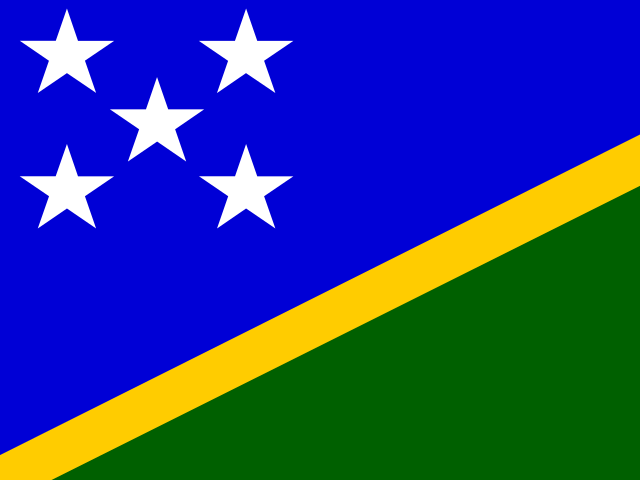 Solomon IslandsWWII history, lagoons and village life off the beaten track
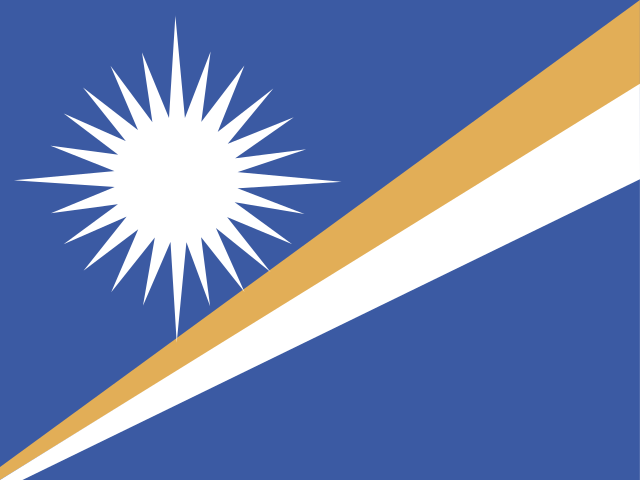 Marshall IslandsTurquoise lagoons and coral atolls in the central Pacific
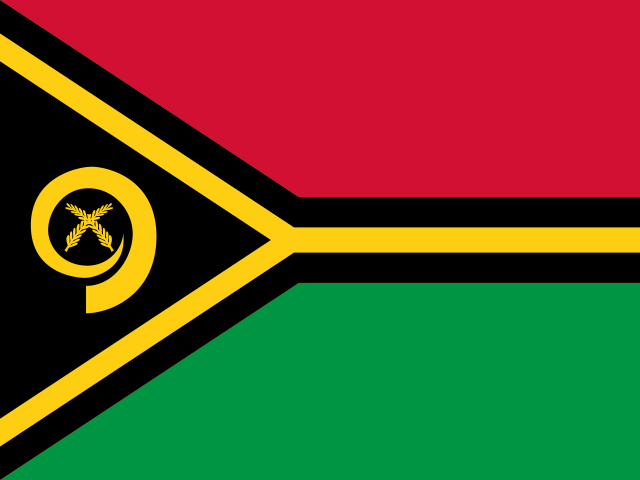 VanuatuActive volcanoes, blue holes and WWII wreck diving