.jpg/1920px-%D0%A1%D0%BE%D1%80%D0%BE%D0%BA%D1%81%D0%BA%D0%B0%D1%8F_%D0%BA%D1%80%D0%B5%D0%BF%D0%BE%D1%81%D1%82%D1%8C_Cetatea_Soroca_Soroca_Fortress_(42928890910).jpg)
.jpg/1920px-Consiliul_Municipal_Chi%C8%99in%C4%83u_(cropped).jpg)
.jpg)


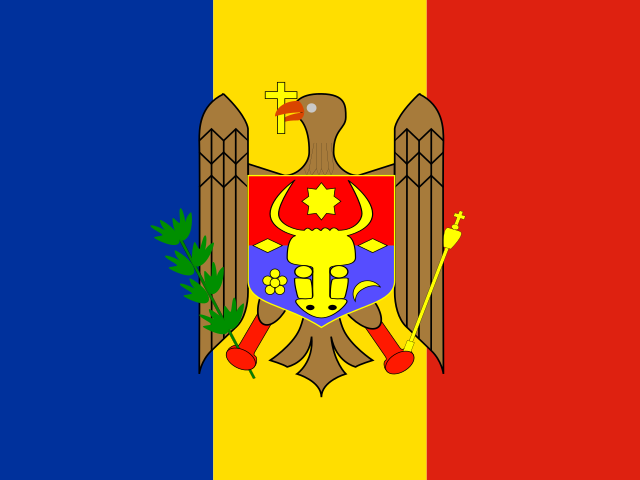
Moldova📸 Photo album · 9 photos · Ultra-HD
Vast wine cellars, cave monasteries and rolling countryside
🕒 –:– local time1 stories this week1 sources 6 top placesCapital Chișinău
The rolling hills between the Prut and Dniester rivers have been farmed since the Neolithic period, when the Cucuteni-Trypillia culture built large settlements and made beautifully painted pottery. In antiquity Thracian peoples, including the Getae and Dacians, lived here, with Greek colonies along the Black Sea coast and Roman power nearby. Over the following centuries waves of migrating peoples passed through, and Slavic and Latin-speaking communities settled the region.
In 1359 the Principality of Moldavia was founded, stretching across today's Moldova and north-eastern Romania. Its most celebrated ruler, Stephen the Great, defended it against the Ottomans and others in the late 15th century and built monasteries and fortresses, including the forerunner of Soroca's stone fortress. From the 16th century Moldavia became a tributary of the Ottoman Empire while keeping its own princes.
In 1812 the eastern half of Moldavia, known as Bessarabia, was annexed by the Russian Empire. After the First World War it united with Romania in 1918, but in 1940 it was annexed by the Soviet Union and later became the Moldavian Soviet Socialist Republic. Soviet rule brought industrialisation and Russian influence, while the language was written in Cyrillic. In 1989 the Latin script was restored, and on 27 August 1991 Moldova declared independence. Soon after, the Transnistria region on the east bank of the Dniester broke away, and it remains outside government control.
Today Moldova is one of Europe's least-visited countries, and travellers who come are rewarded with genuine hospitality, monasteries carved into cliffs, sunflower fields and a remarkable wine culture. Vast underground cellars at Cricova and Mileștii Mici, the cave monastery of Orheiul Vechi and the leafy boulevards of Chișinău make it an intriguing and affordable destination.
Entry rules depend on your passport and change often.
Before you book, check the official rules for your passport:
The latest visa and entry news for Moldova appears below as soon as publishers report it.
Moldova Expands Medical Tourism as Foreign Patients Drive Healthcare Growth Moldova expands medical tourism as foreign patients drive healthcare growth! Discover low-cost dental care, top private clinics, and spa wellness hubs.
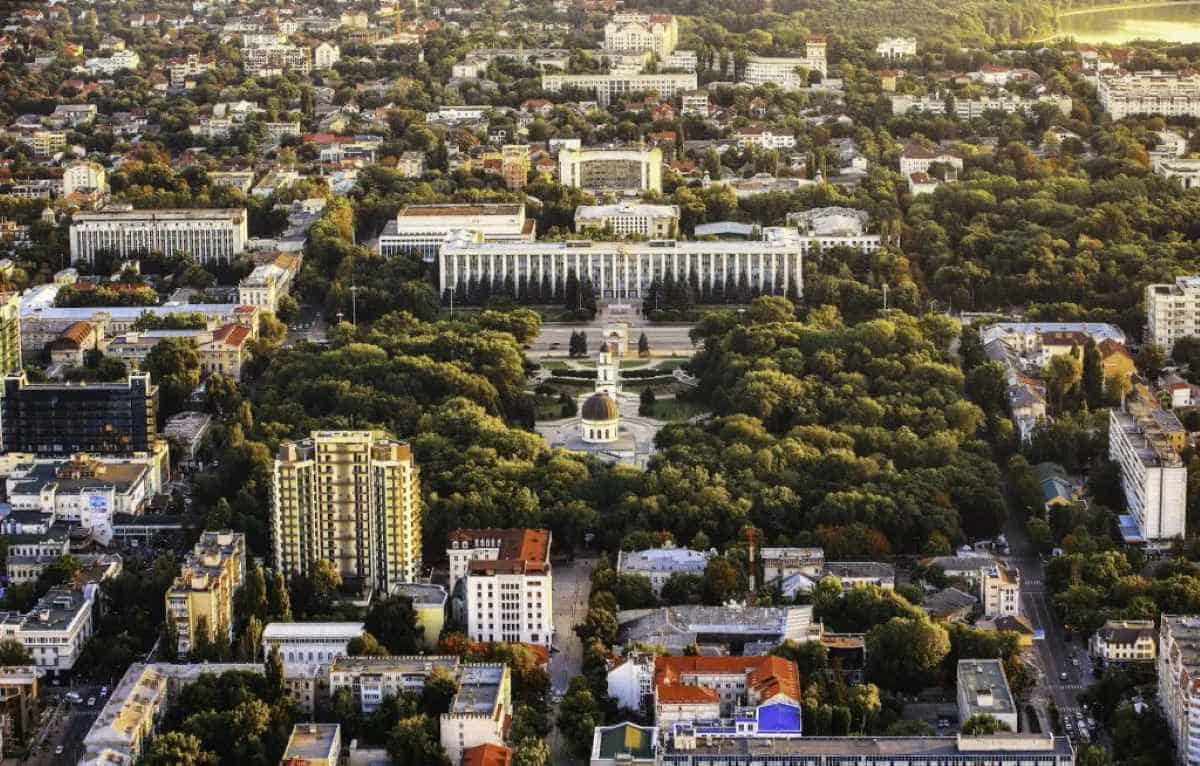 #Moldova
Moldova has a continental climate with hot summers and cold winters. The south is slightly warmer and drier, ideal for vineyards.
Typical daytime highs and rain in Chișinău (approximate averages).
Day 1 explore Chișinău. Day 2 tour Cricova and Mileștii Mici wine cellars. Day 3 visit Orheiul Vechi and stay in a village guesthouse. Day 4 return via a boutique winery.
Days 1-2 Chișinău and its markets. Days 3-4 Orheiul Vechi and the cellars of Cricova and Mileștii Mici. Days 5-6 head north to Saharna, Țipova and Soroca, then days 7-8 travel south to Purcari for wine tasting.
Backpacker budget: about $25–40 a day
Emergency: 112 police, fire & ambulance
Chișinău International Airport is the main gateway; land borders and trains connect Moldova with Romania, while crossings to Ukraine are affected by the war, so check current advice.
✈️ Cheap flights to Moldova: airports, flight times & best time to fly →
Moldova is generally safe with low violent crime. Because of the war in neighbouring Ukraine and the separate status of Transnistria, check your government's latest travel advice before you go.
May to June and September to October are ideal, with pleasant weather and harvest time in autumn. Winters are cold.
Three to four days covers Chișinău, the main wine cellars and Orheiul Vechi. A week lets you explore the north and south.
It depends on your passport. Check the official government site or embassy before you travel.
Moldova is one of Europe's most affordable destinations for food, transport and accommodation. Wine tours are the main splurge.
Approximate daily cost per person (stay, food, local transport).
Minibuses and buses link most towns from Chișinău. Tours or a car make wineries and monasteries easier to reach.
Nothing in this tab yet – the agents add new stories every few minutes.
🌏 You reached the start of our archive.

 UkraineGolden domes, Carpathian villages and rich food traditions
 RomaniaCastles, painted monasteries and wild Carpathian mountains
 BulgariaBlack Sea beaches, mountain monasteries and old towns
 SlovakiaCastle ruins, alpine peaks and a compact Danube capital
 HungaryThermal baths, Danube views and paprika-rich food
 SerbiaLively nightlife, Orthodox monasteries and rolling green hills
 BelarusFairytale castles, quiet forests and Soviet boulevards
 KosovoCafé culture, Ottoman old towns and dramatic mountain gorges