Bulgaria's story reaches back to the Thracians, skilled horsemen and goldsmiths whose richly decorated tombs and treasures still astonish archaeologists. Greek colonies dotted the Black Sea coast, and Rome later absorbed the region, leaving theatres and baths in cities such as Plovdiv and Sofia. In the 7th century the Bulgars, a people from the Eurasian steppe, joined with local Slavs to found the First Bulgarian Empire in 681, one of the oldest state names still in use in Europe.
Under rulers such as Khan Krum and Tsar Simeon the Great the empire became a major power, adopting Orthodox Christianity in 864. Disciples of Saints Cyril and Methodius developed literacy here, and the Cyrillic alphabet took shape in Bulgarian schools before spreading across the Slavic world. After a period of Byzantine rule, the Second Bulgarian Empire flourished from Veliko Tarnovo, until the Ottomans conquered the country in the late 14th century.
Read the full history
Nearly five centuries of Ottoman rule followed. Monasteries such as Rila kept language and faith alive, and the 19th-century National Revival brought schools, churches and colourful merchant houses. After the April Uprising of 1876 and the Russo-Turkish War, an autonomous Bulgaria emerged in 1878 and declared full independence in 1908. The country fought in the Balkan Wars and both World Wars, then spent more than four decades as a communist state allied to the Soviet Union.
Since 1989 Bulgaria has become a parliamentary democracy, joining NATO in 2004 and the European Union in 2007. For travellers, its layers are wonderfully accessible: Thracian tombs at Kazanlak, Roman Plovdiv, the medieval fortress of Tsarevets, painted monasteries in the mountains and Revival-era towns like Koprivshtitsa, all within reach of ski slopes and Black Sea beaches.
Timeline
c. 4500 BCGold artefacts buried at Varna, among the oldest worked gold yet found
681The First Bulgarian Empire is founded
864Bulgaria adopts Orthodox Christianity
1185The Second Bulgarian Empire rises with its capital at Veliko Tarnovo
1396Ottoman conquest completes, beginning almost five centuries of rule
1878An autonomous Bulgarian state is created after the Russo-Turkish War
1908Full independence is declared
2007Bulgaria joins the European Union
Bulgaria🛂 Visa & entry
Entry rules depend on your passport and change often.
Schengen Area – Part of the Schengen Area – 29 European countries with no passport checks between them. Short visits are usually counted under the 90-days-in-any-180 rule across the whole area.
European Union – EU member – EU/EEA citizens can travel and stay freely.
Eurozone – Uses the euro.
Before you book, check the official rules for your passport:
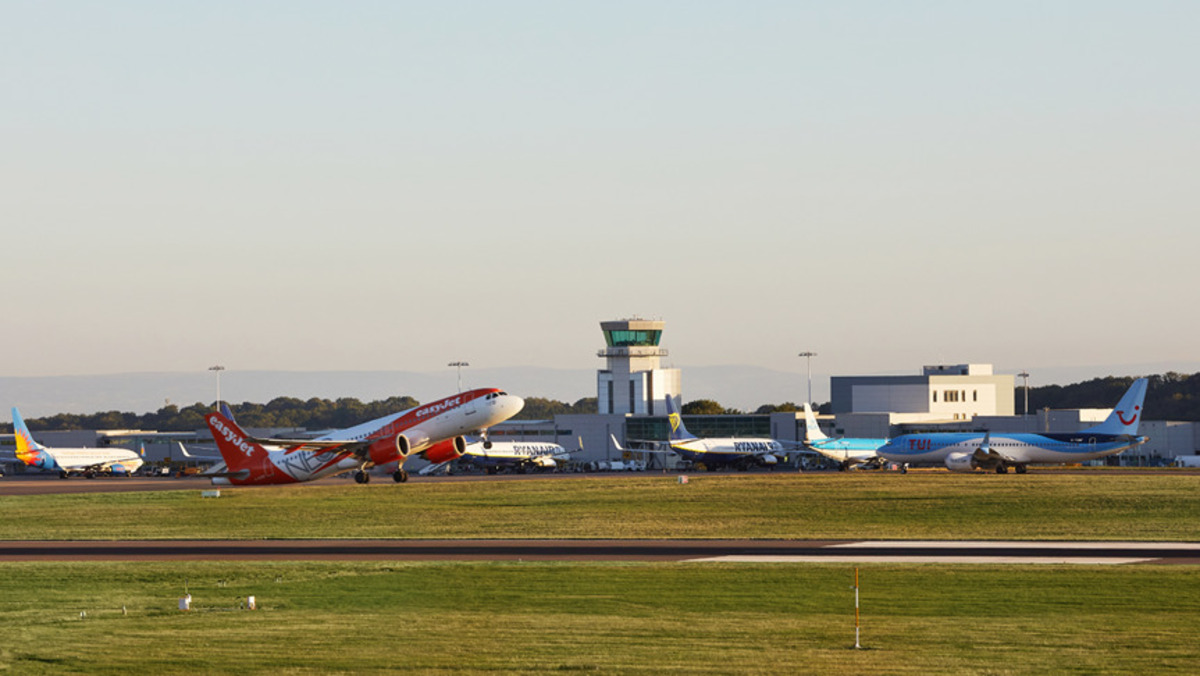
UK Expands Travel Links to Bulgaria and France as easyJet Adds Bristol Flights to Burgas and Montpellier in 2027 easyJet expands Bristol Airport in 2027 with new flights to Burgas and Montpellier, strengthening UK links with…
Bulgaria has proposed raising the long-stay Type D visa processing fee from €100 to €120. The draft is undergoing a 30-day public consultation and has not...
Flying from Algiers to Tunis to Marseille on two unmarked, wet-leased Airbus A320s operated by Avion Express and Fly2Sky, with zero disclosure at booking.
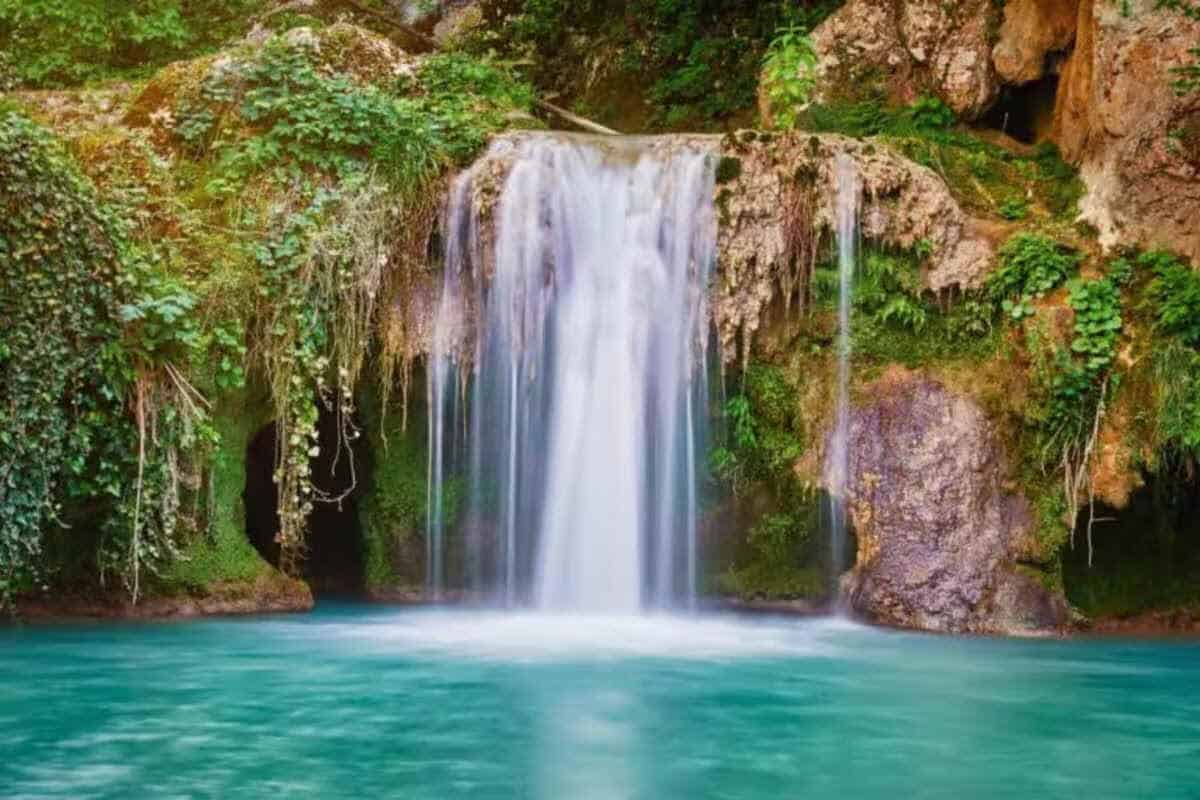
Bulgaria Goes Hand in Hand With Greece and More in Europe as Online Booked Tourist Overnight Stays Rise Over 16% in Q2 2026 Bulgaria’s online-booked tourist stays rose over 16% in Q2 2026, outpacing EU growth and signalling…
TUI and Bulgaria Sign 2030 Tourism MoU, Expanding Varna Hotel, Flights and Black Sea Travel Growth TUI and Bulgaria sign a 2030 tourism MoU covering a new Varna hotel, expanded flights and stronger Black Sea travel experiences.
See the rose harvest in the Rose Valley in late May–June
Bulgaria🍽️ Taste of Bulgaria
Banitsa – flaky pastry with egg and white cheese
Shopska salad – tomato, cucumber and grated white cheese
Kavarma – meat and vegetable stew in a clay pot
Tarator – cold cucumber and yogurt soup
Bulgaria🌦️ Weather & best time to visit Bulgaria
Best time to visit Bulgaria
Bulgaria has a continental climate with hot summers and cold, snowy winters in the interior and mountains. The Black Sea coast is milder, with warm summers ideal for swimming.
BestMay-June and September - warm, green and ideal for cities, hiking and the coast before or after the summer rush.
ShoulderApril and October - mild days with autumn colours or spring blossom, fewer visitors and cooler nights.
AvoidNo bad time - winter is great for skiing, though November and March can be grey and slushy, and July-August beaches are crowded.
3°💧Jan
6°💧Feb
11°💧Mar
16°💧Apr
21°💧💧May
25°💧💧Jun
28°💧Jul
28°💧Aug
23°💧Sep
17°💧Oct
10°💧Nov
4°💧Dec
Typical daytime highs and rain in Sofia (approximate averages).
Bulgaria🎉 Festivals & events in Bulgaria
January-February
KukeriMen in huge furry costumes and masks with clanging bells dance to scare off evil spirits, notably at Surva in Pernik.
March 1
Baba MartaPeople exchange red-and-white martenitsa bracelets to welcome spring and wish good health.
Early June
Rose FestivalKazanlak celebrates the rose harvest with picking rituals, parades and the crowning of a Rose Queen.
August (every few years)
Koprivshtitsa National Folklore FestivalThousands of folk performers gather in meadows above the town for music and dance.
Bulgaria🧭 Bulgaria itinerary ideas
How many days in Bulgaria?
5 daysClassic 5 days
Days 1-2 explore Sofia and take a day trip to Rila Monastery. Day 3 travel to Plovdiv's old town. Days 4-5 continue to Veliko Tarnovo for Tsarevets and nearby villages.
10 daysMountains, history and sea
Days 1-3 Sofia, Rila Monastery and the Seven Rila Lakes. Days 4-5 Plovdiv, then Days 6-7 Kazanlak's Thracian tombs and Veliko Tarnovo. Finish on Days 8-10 on the Black Sea in Varna and Sozopol.
Bulgaria🎒 Backpacking Bulgaria – tips & hacks
Backpacker budget: about $30–45 a day
Bulgaria is one of the EU's most affordable countries, and buses are usually quicker than the slow but scenic trains.
Sofia, Plovdiv and Veliko Tarnovo have friendly hostels, many offering free walking tours or day trips.
Fill up cheaply on banitsa from bakeries and on lunch menus at local mehanas.
Sofia's public transport is cheap and the metro links the airport with the city centre.
Hiking huts in the Rila and Pirin mountains offer basic dorm beds for multi-day treks.
Bulgaria🛡️ Safety & money in Bulgaria
Stay safe
Bulgaria is generally safe; watch for pickpockets in crowds and on busy public transport.
Use official taxis or ride apps, as unofficial taxis may overcharge, especially at airports and stations.
Check your bill and exchange rates carefully and avoid street money changers.
In the mountains, weather can change quickly - carry layers and stick to marked trails.
Money
Bulgaria adopted the euro at the start of 2026, replacing the lev; check current details before you travel.
Cards are accepted widely in cities, but carry cash for villages, small guesthouses and markets.
Tipping about 10% in restaurants is customary if service is good.
Emergency: 112 police, fire & ambulance
Bulgaria🛬 Getting to Bulgaria
Sofia Airport is the main gateway, with Varna, Burgas and Plovdiv airports serving many seasonal routes. Bulgaria has land borders with Romania, Serbia, North Macedonia, Greece and Turkey, with buses and some trains crossing them.


.jpg/1920px-Bansko_ski_resort_(23917454674).jpg)
.jpg/1920px-Nessebar,_Bulgaria_-_panoramio_(72).jpg)

 #Bulgaria#United Kingdom#easyJet#Flights & Airlines
 #Bulgaria#Visas & Entry Rules
 #Lithuania#Bulgaria#Airbus#Points & Miles
 #Bulgaria#Greece
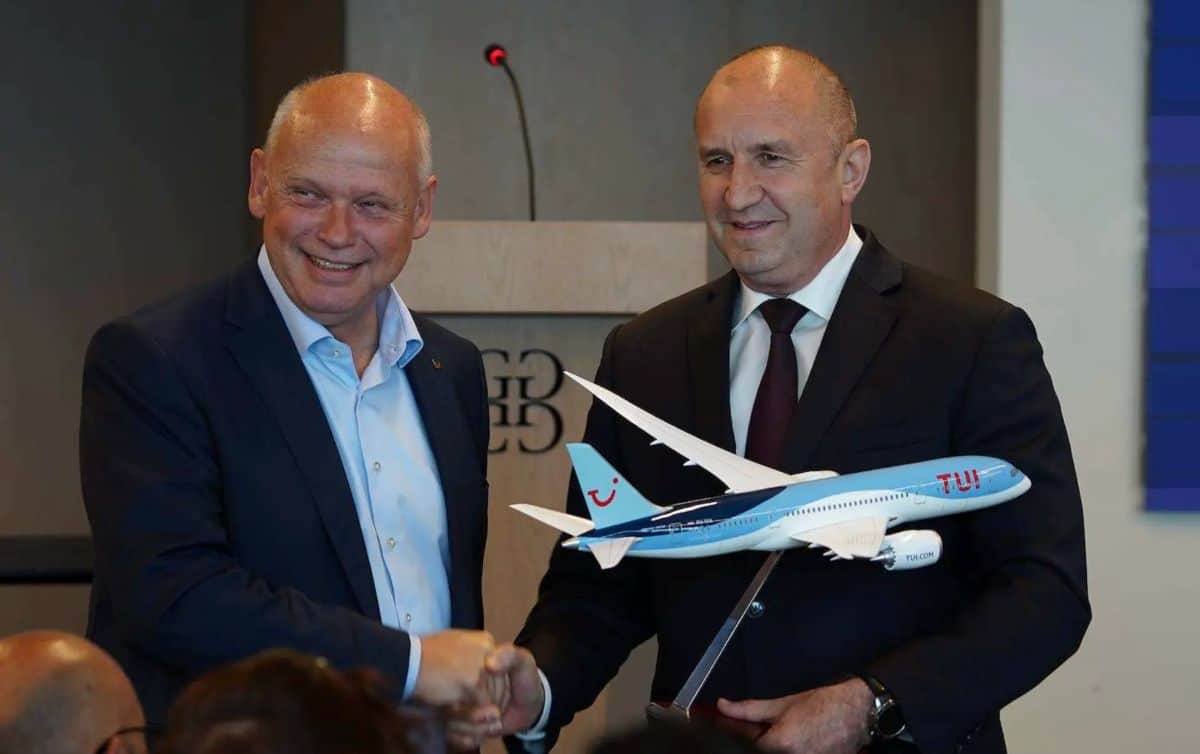 #Bulgaria#Flights & Airlines

 North MacedoniaLake Ohrid, Ottoman bazaars and mountain monasteries
 RomaniaCastles, painted monasteries and wild Carpathian mountains
 KosovoCafé culture, Ottoman old towns and dramatic mountain gorges
 SerbiaLively nightlife, Orthodox monasteries and rolling green hills
.jpg/500px-Ksamil_Albania_-_panoramio_(8).jpg)
 AlbaniaRiviera beaches, Ottoman towns and wild mountains
 MontenegroFjord-like bays, mountain canyons and Adriatic beaches
 GreeceAncient ruins, whitewashed islands and endless blue sea
.jpg/500px-%D0%A1%D0%BE%D1%80%D0%BE%D0%BA%D1%81%D0%BA%D0%B0%D1%8F_%D0%BA%D1%80%D0%B5%D0%BF%D0%BE%D1%81%D1%82%D1%8C_Cetatea_Soroca_Soroca_Fortress_(42928890910).jpg)
 MoldovaVast wine cellars, cave monasteries and rolling countryside