


.jpg/1920px-Peja_(cropped).jpg)


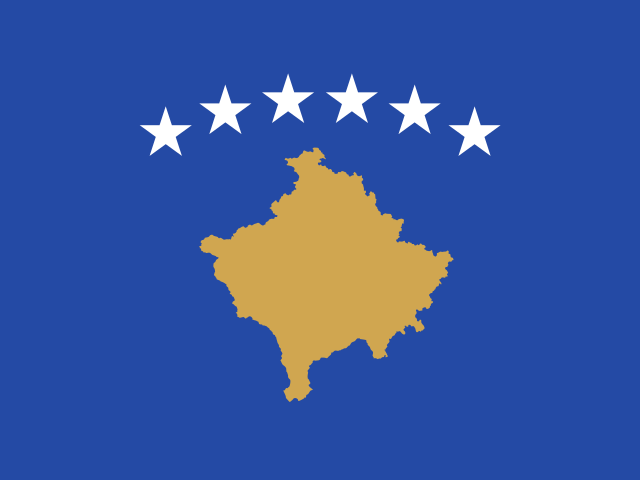
Kosovo📸 Photo album · 8 photos · Ultra-HD
Café culture, Ottoman old towns and dramatic mountain gorges
🕒 –:– local time3 stories this week2 sources 6 top placesCapital Pristina
Kosovo's fertile plains and mountain valleys have been inhabited since prehistoric times; the Neolithic 'Goddess on the Throne', a terracotta figurine found near Pristina, has become one of its best-known symbols. In antiquity the region was home to the Dardanians, an Illyrian-related people, before it was absorbed by Rome. The Roman town of Ulpiana, near today's Pristina, flourished as an important regional centre.
During the Middle Ages Kosovo became a heartland of the Serbian kingdom, whose rulers built remarkable Orthodox monasteries such as Visoki Dečani, Gračanica and the Patriarchate of Peć, now UNESCO-listed. The Battle of Kosovo in 1389 between Serbian-led forces and the Ottomans became a powerful symbol in regional history. By the mid-fifteenth century the area was under Ottoman rule, which lasted for more than four centuries and left mosques, bazaars, hammams and stone bridges, especially in Prizren.
In 1878 the League of Prizren was formed to defend Albanian interests, an important moment for Albanian national identity. After the Balkan Wars of 1912–1913 Kosovo became part of Serbia and later Yugoslavia, where it was an autonomous province for much of the communist era. Tensions grew in the 1980s and 1990s, leading to armed conflict in 1998–1999, after which Kosovo was placed under United Nations administration.
Kosovo declared independence in 2008; it is recognised by many countries but not by Serbia and several others. Today it is one of Europe's youngest and most youthful societies, with buzzing cafés in Pristina, Ottoman-era Prizren, medieval monasteries and the dramatic Rugova mountains. Visitors often remark on the warm hospitality and strong coffee culture.
Entry rules depend on your passport and change often.
Before you book, check the official rules for your passport:
The latest visa and entry news for Kosovo appears below as soon as publishers report it.
Kosovo and Guyana have joined Saudi Arabia’s tourist visa program, with eVisa and visa-on-arrival routes available. Travelers still need a Saudi visitor...
 #Saudi Arabia#Kosovo#e-Visa#Visas & Entry Rules
Exercise increased caution in Kosovo due to unrest and terrorism. Unrest Demonstrations related to the local political situation may occur with little notice. They may disrupt transportation and other essential services.…
#Kosovo#Visas & Entry RulesExercise increased caution in Kosovo due to risk of unrest and terrorism. Some areas have increased risk. Read the entire Travel Advisory. Reconsider travel to North Kosovo area due to risk of unrest. Advisory summary Unrest…
#Kosovo#Travel advisory#Visas & Entry RulesKosovo has a continental climate with hot summers and cold, snowy winters. The mountains in the west and south are cooler and receive much more snow.
Typical daytime highs and rain in Pristina (approximate averages).
Day 1-2 Pristina and Gračanica Monastery. Day 3 travel to Prizren for the old town and fortress. Day 4 visit Peja and the Rugova Gorge.
Days 1-2 Pristina and Gračanica. Days 3-5 Peja, the Rugova Gorge and Visoki Dečani, with time for hiking. Days 6-8 Gjakova, Mirusha Waterfalls and Prizren.
Backpacker budget: about $25–40 a day
Emergency: 112 general · 192 police · 194 ambulance · 193 fire
Pristina International Airport has flights to many European cities. Buses connect Kosovo with Albania, North Macedonia, Montenegro and other neighbours.
✈️ Cheap flights to Kosovo: airports, flight times & best time to fly →
Kosovo is generally safe, with friendly people and low crime against visitors. Some tension can occur in the north, so check your government's latest travel advice before you go.
May–June and September offer pleasant temperatures and great hiking. Winter is cold but good for skiing.
Four days covers Pristina, Prizren and Peja. A week or more allows time for hiking in Rugova and exploring the monasteries.
It depends on your passport – many nationalities can enter visa-free, but rules vary. Check the official government site or embassy before you travel.
Kosovo uses the euro. Cards are accepted in towns, but carry some cash for small purchases and rural areas.
Approximate daily cost per person (stay, food, local transport).
Frequent buses link the main towns and taxis are cheap. A rental car helps for mountain areas.
Nothing in this tab yet – the agents add new stories every few minutes.
🌏 You reached the start of our archive.

 MontenegroFjord-like bays, mountain canyons and Adriatic beaches
 North MacedoniaLake Ohrid, Ottoman bazaars and mountain monasteries
 SerbiaLively nightlife, Orthodox monasteries and rolling green hills
.jpg/500px-Ksamil_Albania_-_panoramio_(8).jpg)
 AlbaniaRiviera beaches, Ottoman towns and wild mountains
 Bosnia and HerzegovinaOttoman bridges, emerald rivers and coffee culture
 BulgariaBlack Sea beaches, mountain monasteries and old towns

 GreeceAncient ruins, whitewashed islands and endless blue sea
 RomaniaCastles, painted monasteries and wild Carpathian mountains