Belarus lies on the great East European plain, a land of forests, rivers and marshes that early Slavic tribes such as the Krivichs, Dregovichs and Radimichs settled in the first millennium AD. By the ninth and tenth centuries the Principality of Polotsk had become a powerful trading state on the Western Dvina river, linked to the wider world of Kievan Rus' and the Viking routes between the Baltic and Black Seas.
From the thirteenth century the Belarusian lands formed the heartland of the Grand Duchy of Lithuania, a vast multi-ethnic state whose official documents were long written in a language close to Old Belarusian. Union with Poland in 1569 created the Polish-Lithuanian Commonwealth, and this era left behind Renaissance castles at Mir and Nesvizh, baroque churches and a lively mix of Orthodox, Catholic, Jewish and Tatar communities.
Read the full history
The partitions of the late eighteenth century brought the region into the Russian Empire. After the turmoil of the First World War and revolution, a Belarusian People's Republic was briefly proclaimed in 1918, and soon afterwards the Byelorussian Soviet Socialist Republic was established. The Second World War struck Belarus with exceptional devastation, and towns such as Minsk were almost entirely rebuilt in grand Soviet style in the decades after 1945.
Belarus became independent in 1991 when the Soviet Union dissolved. Today travellers find spotless, orderly cities with wide boulevards, well-kept war memorials, medieval and Renaissance castles, and some of Europe's last primeval forest at Belovezhskaya Pushcha, where European bison still roam. Wooden churches, folk crafts and hearty potato-based cooking give a strong sense of rural tradition.
Timeline
862Polotsk is first mentioned in the chronicles
13th centuryBelarusian lands become part of the Grand Duchy of Lithuania
1569Union of Lublin creates the Polish-Lithuanian Commonwealth
1795Final partition places the region within the Russian Empire
1918Belarusian People's Republic is proclaimed
1919Byelorussian Soviet Socialist Republic is established
1991Belarus becomes independent
Belarus🛂 Visa & entry
Entry rules depend on your passport and change often.
Before you book, check the official rules for your passport:
Vilnius Airport (VNO) was temporarily closed on October 3 after Lithuanian authorities detected an unidentified airborne object approaching from the direction of Belarus, triggering a yellow-level air alert.
Walk Minsk's grand avenuesStroll Independence Avenue, a showcase of monumental post-war Stalinist architecture stretching for kilometres.
Explore Mir CastleWander the turreted red-brick fortress whose blend of Gothic, Renaissance and baroque styles earned UNESCO status.
Tour Nesvizh PalaceAdmire the lavish residence of the Radziwiłł family, surrounded by moats and landscaped parks.
Spot bison in the forestCycle or hike through Belovezhskaya Pushcha, one of Europe's last stretches of primeval woodland.
Visit Brest FortressSee the vast memorial complex that commemorates the fortress's defence in 1941.
Relax in Trinity SuburbHave coffee along the Svislach river in Minsk's restored old quarter of pastel houses.
Discover PolotskVisit one of the oldest towns in the region and the eleventh-century St Sophia Cathedral.
Try dranikiTuck into crispy potato pancakes with sour cream, the unofficial national dish.
Go lake-hopping at BraslavPaddle and swim among dozens of glacial lakes in the Braslav Lakes National Park.
See Marc Chagall's VitebskVisit the house and art centre devoted to the painter in the city where he grew up.
Belarus🗺️ Where to visit in Belarus
Where to go in Belarus
MinskCapital · architecture and cultureA clean, spacious capital of Soviet boulevards, museums, parks and a revived café scene.
Mir CastleGrodno region · UNESCO castleA fairytale fortress set beside a small lake, easily combined with Nesvizh in a day.
📍
NesvizhMinsk region · palace and parksA UNESCO-listed palace complex with richly decorated halls and peaceful landscaped grounds.
Belovezhskaya PushchaBrest region · primeval forestAncient oaks, European bison and quiet cycling trails in a transboundary UNESCO forest.
📍
BrestSouthwest · fortress cityA relaxed border city known for its memorial fortress and pedestrian Sovetskaya Street.
GrodnoWest · historic cityOne of the best-preserved old towns in the country, with castles and churches above the Neman river.
📍
PolotskNorth · ancient townA historic cradle of Belarusian culture with a striking cathedral and a monument to Europe's geographic centre.
📍
Braslav LakesVitebsk region · national parkPine forests and island-dotted lakes ideal for summer swimming, canoeing and camping.
Belarus✨ Must-do experiences
Tour the castles of Mir and Nesvizh
Spot bison in Belovezhskaya Pushcha
Steam in a traditional banya
Visit the Dudutki open-air museum of rural life
Belarus🍽️ Taste of Belarus
Draniki – crispy potato pancakes with sour cream
Machanka – pork stew for dipping pancakes
Kalduny – potato dumplings stuffed with meat
Kvass – lightly fizzy bread drink
Belarus🌦️ Weather & best time to visit Belarus
Best time to visit Belarus
Belarus has a moderate continental climate with warm summers and cold, snowy winters. Conditions are fairly similar across the flat country, though the southwest is slightly milder than the northeast.
BestMay–September: long days, green forests and comfortable temperatures for city walks and nature trips.
ShoulderApril and October: crisp, quiet and colourful, with fewer visitors and cooler evenings.
AvoidDecember–February if you dislike cold and short days; snow and sub-zero temperatures are normal.
-2°💧Jan
-1°💧Feb
5°💧Mar
13°💧Apr
19°💧May
22°💧💧Jun
24°💧💧Jul
23°💧💧Aug
17°💧Sep
10°💧Oct
3°💧Nov
-1°💧Dec
Typical daytime highs and rain in Minsk (approximate averages).
Belarus🎉 Festivals & events in Belarus
July
Slavianski BazaarVitebsk's big international festival of song and performing arts fills the city's open-air amphitheatre.
Early July
KupalleA midsummer folk celebration with bonfires, flower wreaths floated on rivers and night-time rituals.
February–March
MaslenitsaPancakes, folk games and the burning of a straw figure mark the farewell to winter.
3 July
Independence DayA national holiday with parades and evening fireworks in Minsk and other cities.
Belarus🧭 Belarus itinerary ideas
How many days in Belarus?
4 daysMinsk and the castles
Day 1-2 explore Minsk's avenues, Trinity Suburb and museums. Day 3 take a day trip to Mir Castle and Nesvizh Palace. Day 4 visit the Khatyn memorial or relax in the city's parks.
8 daysCastles, forests and old towns
Days 1-2 Minsk, then Day 3 Mir and Nesvizh. Days 4-5 travel to Brest for the fortress and Belovezhskaya Pushcha. Days 6-8 head north to Grodno or Vitebsk and Polotsk before returning to Minsk.
Belarus🎒 Backpacking Belarus – tips & hacks
Backpacker budget: about $30–45 a day
Trains and long-distance buses are punctual, cheap and the best way to link Minsk, Brest, Grodno and Vitebsk.
Minsk's metro is simple to use and covers the main sights; tokens or contactless payment get you through the gates.
Canteen-style cafés serving soups, salads and draniki are a budget favourite for filling meals.
Hostels cluster around central Minsk near Independence Avenue and the railway station.
Learn a few words of Russian and the Cyrillic alphabet, as English signage and spoken English are limited outside tourist spots.
Belarus🛡️ Safety & money in Belarus
Stay safe
Many governments currently advise against all or non-essential travel to Belarus; check your government's latest travel advice before planning a trip.
Avoid political gatherings and be cautious about photographing government buildings, military sites or police.
Areas close to the Ukrainian border may be restricted, so follow official guidance and stay away from them.
Street crime is low, but keep valuables secure and carry your passport or a copy, as identity checks can happen.
Money
The currency is the Belarusian ruble; exchange offices are common in cities and airports.
Cards issued by some foreign banks may not work because of sanctions, so check with your bank and bring enough cash in a widely exchanged currency.
Tipping around ten percent in restaurants is appreciated but not obligatory.
Emergency: 102 police · 103 ambulance · 101 fire
Belarus🛬 Getting to Belarus
Minsk National Airport is the main international gateway. Land crossings link Belarus with neighbouring countries, though border rules and openings change often, so verify the current situation before travelling.
Around forty percent of Belarus is covered in forest.
Belovezhskaya Pushcha is home to one of the largest free-ranging populations of European bison.
Belarus is landlocked yet has thousands of lakes, earning the nickname 'land of blue lakes'.
The painter Marc Chagall grew up in Vitebsk and often painted its rooftops.
Both Belarusian and Russian are official languages.
Belarus❓ Belarus travel FAQ
Belarus travel questions
Is Belarus safe for tourists?
Street crime is low, but many governments currently advise against travel to Belarus because of the political and regional security situation. Check your government's latest travel advice and avoid border areas and political gatherings.
When is the best time to visit Belarus?
May to September brings warm weather, long days and green forests. Winter is cold and snowy but atmospheric if you dress for it.
How many days do you need in Belarus?
Three to four days covers Minsk plus Mir and Nesvizh. A week or more lets you add Brest, the primeval forest and the historic towns of Grodno or Polotsk.
Do I need a visa for Belarus?
It depends on your passport and how you arrive – entry rules have changed several times. Check the official government site or embassy before you travel.
Can I use my bank card in Belarus?
Possibly not – cards from some foreign banks are blocked by sanctions. Confirm with your bank in advance and carry sufficient cash to exchange locally.
Belarus💰 What a trip costs
$price level
$30–45backpacker / day
$70–130mid-range / day
Approximate daily cost per person (stay, food, local transport).
Belarus🚌 Getting around
Trains and buses connect the main cities cheaply. Minsk has a simple metro and plenty of taxis.
Belarus🛕 Sacred & spiritual places
Holy Spirit Cathedral – Main Orthodox cathedral of Minsk, on a hill in the old town
Zhyrovichy Monastery – Important Orthodox monastery and pilgrimage site
Belarus🤝 Local etiquette
Bring a small gift when visiting someone's home
Remove shoes indoors in homes
Women usually cover their heads in Orthodox churches
Nothing in this tab yet – the agents add new stories every few minutes.
📰 Older Belarus stories Everything our agents ever found – keeps loading as you scroll

_09.jpg/1920px-View_of_Minsk_(180819)_09.jpg)


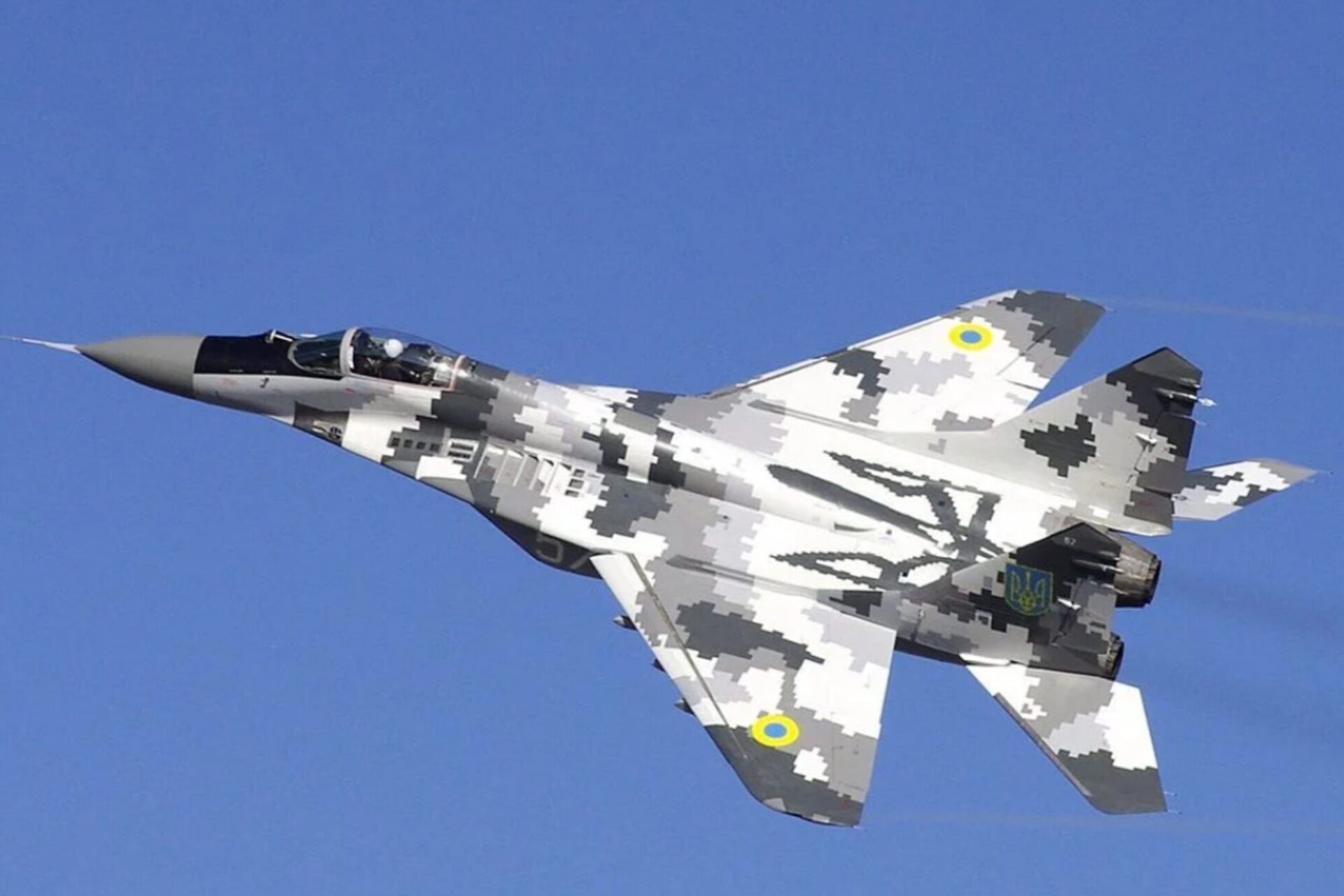 #Ukraine#Belarus#Flights & Airlines
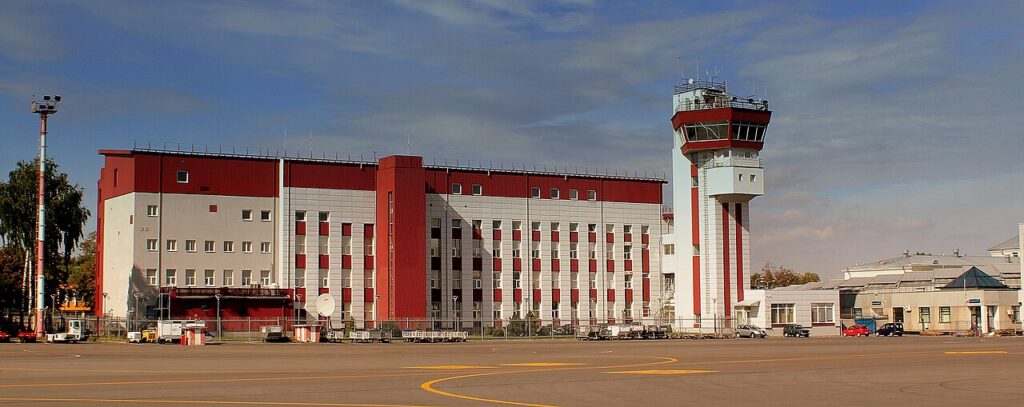 #Lithuania#Belarus#Vilnius#Flights & Airlines
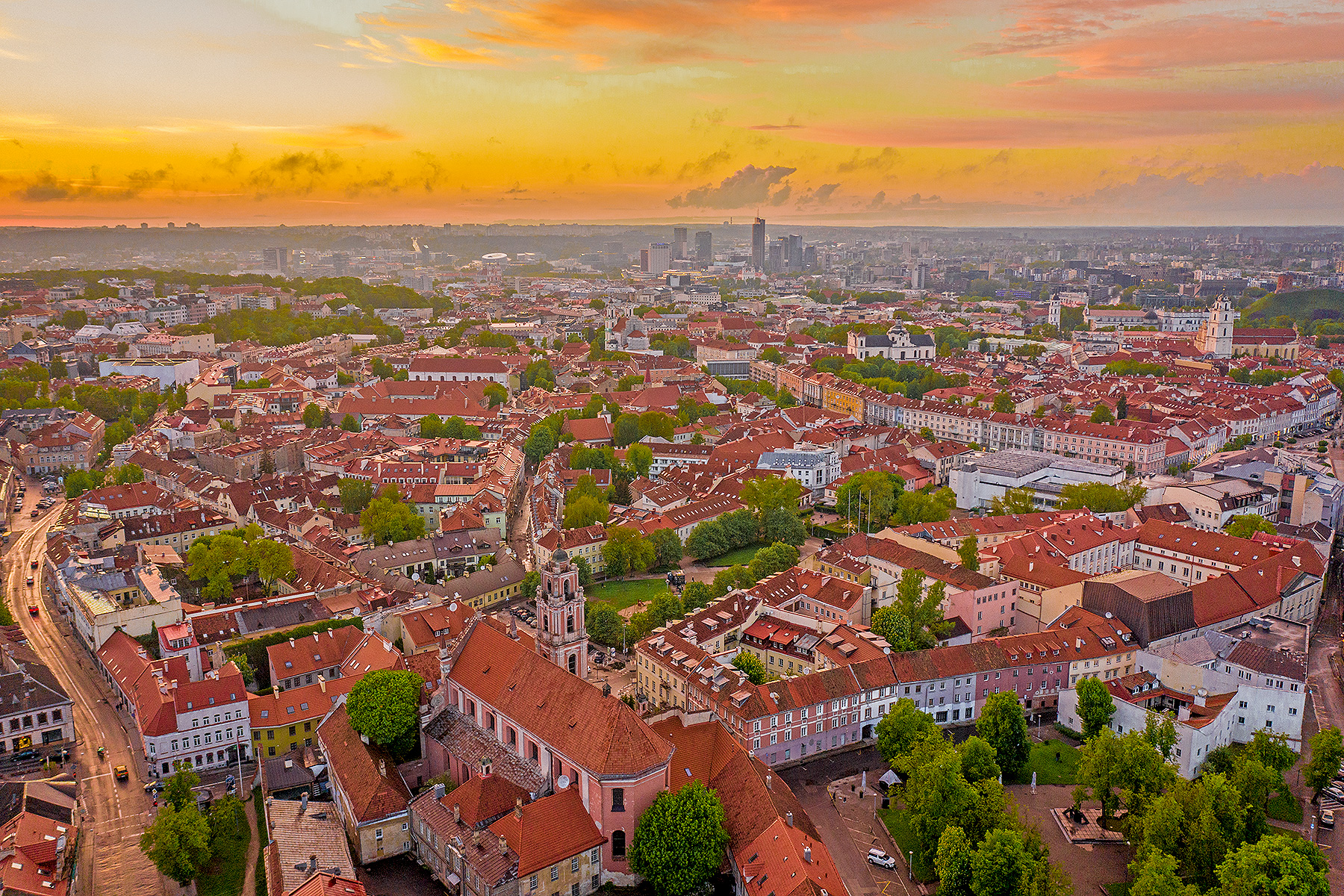
 LithuaniaBaroque Vilnius, island castles and towering sand dunes
.jpg/500px-Rundale_Palace_(6483271573).jpg)
 LatviaArt Nouveau Riga, sandy beaches and quiet forests
 EstoniaMedieval old towns, wild bogs and digital-age cool
 PolandHistoric old towns, mountain trails and hearty pierogi
 UkraineGolden domes, Carpathian villages and rich food traditions
.jpg/500px-%D0%A1%D0%BE%D1%80%D0%BE%D0%BA%D1%81%D0%BA%D0%B0%D1%8F_%D0%BA%D1%80%D0%B5%D0%BF%D0%BE%D1%81%D1%82%D1%8C_Cetatea_Soroca_Soroca_Fortress_(42928890910).jpg)
 MoldovaVast wine cellars, cave monasteries and rolling countryside
 SlovakiaCastle ruins, alpine peaks and a compact Danube capital
 RomaniaCastles, painted monasteries and wild Carpathian mountains