
.jpg/1920px-View_from_Gell%C3%A9rt_Hill_to_the_Danube,_Hungary_-_Budapest_(28493220635).jpg)


Hungary📸 Photo album · 6 photos · Ultra-HD
Thermal baths, Danube views and paprika-rich food
🕒 –:– local time5 stories this week2 sources 6 top placesCapital Budapest
The Carpathian Basin has drawn settlers since prehistoric times, and the Romans made the western part of today's Hungary into the province of Pannonia, building the town of Aquincum on what is now Budapest. Huns, Avars and others passed through after Rome's decline, until the Magyars – a people speaking a language unrelated to their neighbours' – arrived from the east under Árpád in the late ninth century.
In the year 1000 Stephen I was crowned the first Christian king of Hungary, founding a kingdom that became a major European power. It survived the Mongol invasion of 1241 and flourished under Renaissance king Matthias Corvinus. After the Battle of Mohács in 1526, much of the country fell to the Ottoman Empire for over 150 years – a period that left behind Turkish baths still used today – before the Habsburgs drove the Ottomans out.
Hungarians rose against Habsburg rule in the revolution of 1848-49, and the Compromise of 1867 created the Austro-Hungarian Empire, sparking a golden age in which Buda, Pest and Óbuda united into Budapest. After the First World War, the Treaty of Trianon reduced Hungary to about a third of its former territory. The Second World War brought devastation, followed by a communist government; the 1956 uprising was put down by Soviet forces.
In 1989 Hungary opened its border with Austria and made a peaceful transition to democracy, joining NATO in 1999 and the European Union in 2004. Today visitors find a country of grand Habsburg-era architecture, thermal spas, wine regions such as Tokaj and Eger, Roman ruins, Ottoman tombs and a deep love of music, from Liszt and Bartók to festivals on Danube islands.
Entry rules depend on your passport and change often.
Before you book, check the official rules for your passport:
The latest visa and entry news for Hungary appears below as soon as publishers report it.
Budapest Shines Again as Hungary’s Award-Winning Advent Bazilika Powers a Magical Christmas 2026 Budapest’s Advent Bazilika returns from 13 November 2026 with crafts, Hungarian food, light shows and festive attractions at St…
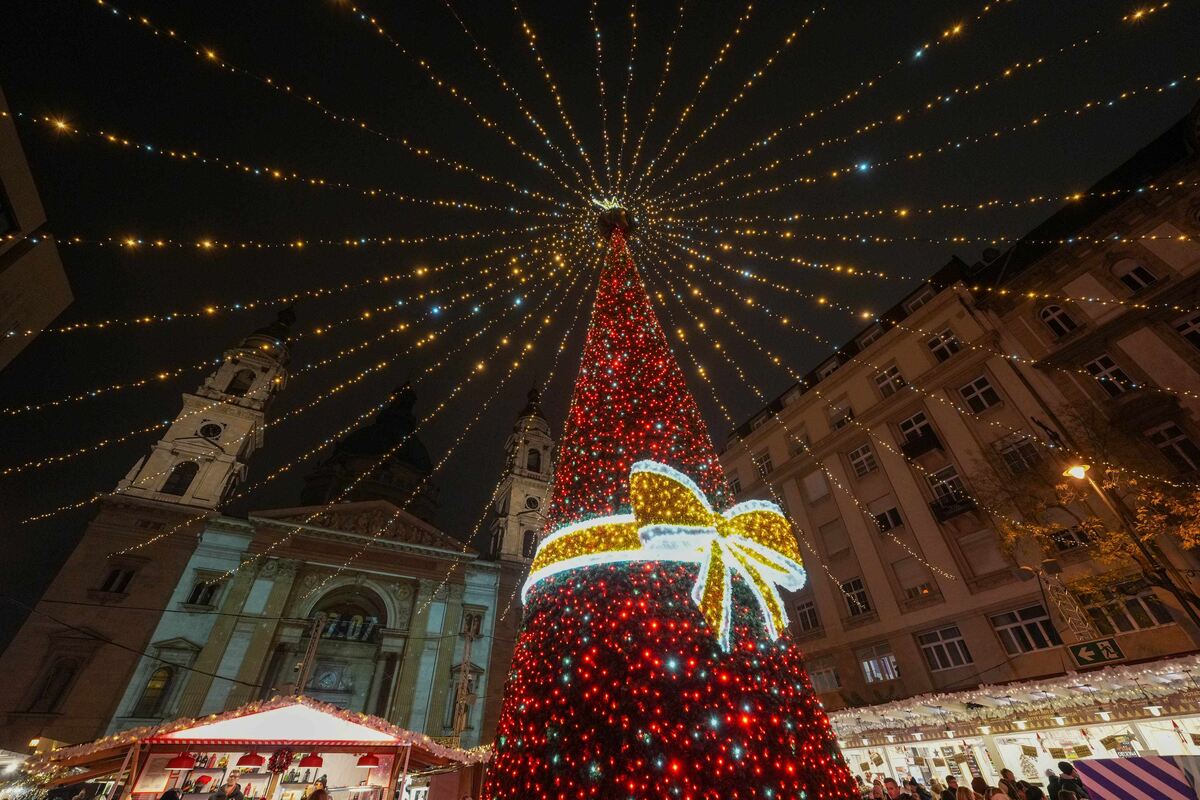 #Hungary#Budapest#Inspiring & Scenic
Hungary Joins Poland, United States And More Among 95 Visa Free Travel Countries Boosting Qatar Tourism Hungary Joins Poland, United States And More Among 95 Visa Free Travel Countries to Expand Global Access for Qatari Tourist…
 #Hungary#Poland#Visas & Entry Rules
Hungary Aligns with Austria and More Facing Severe Water Loss Threatening Central European Holiday Lake Balaton faces historic water loss as 250 million cubic metres vanish, exposing shorelines and impacting Central European…
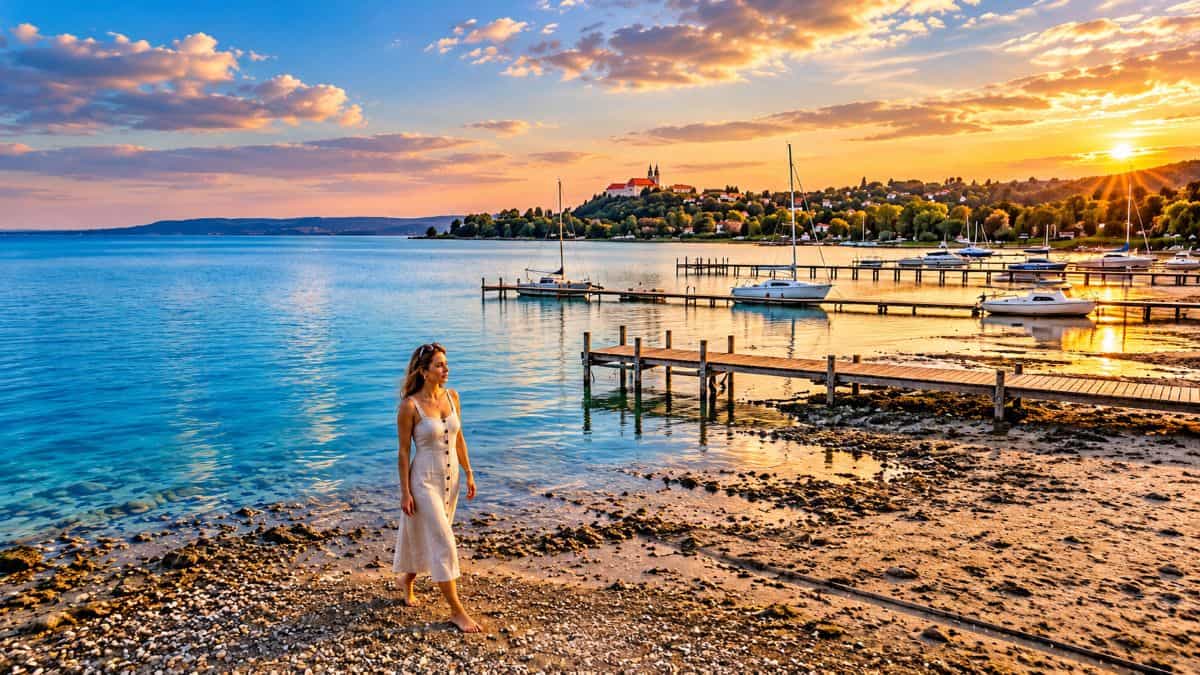 #Hungary#Austria#Central
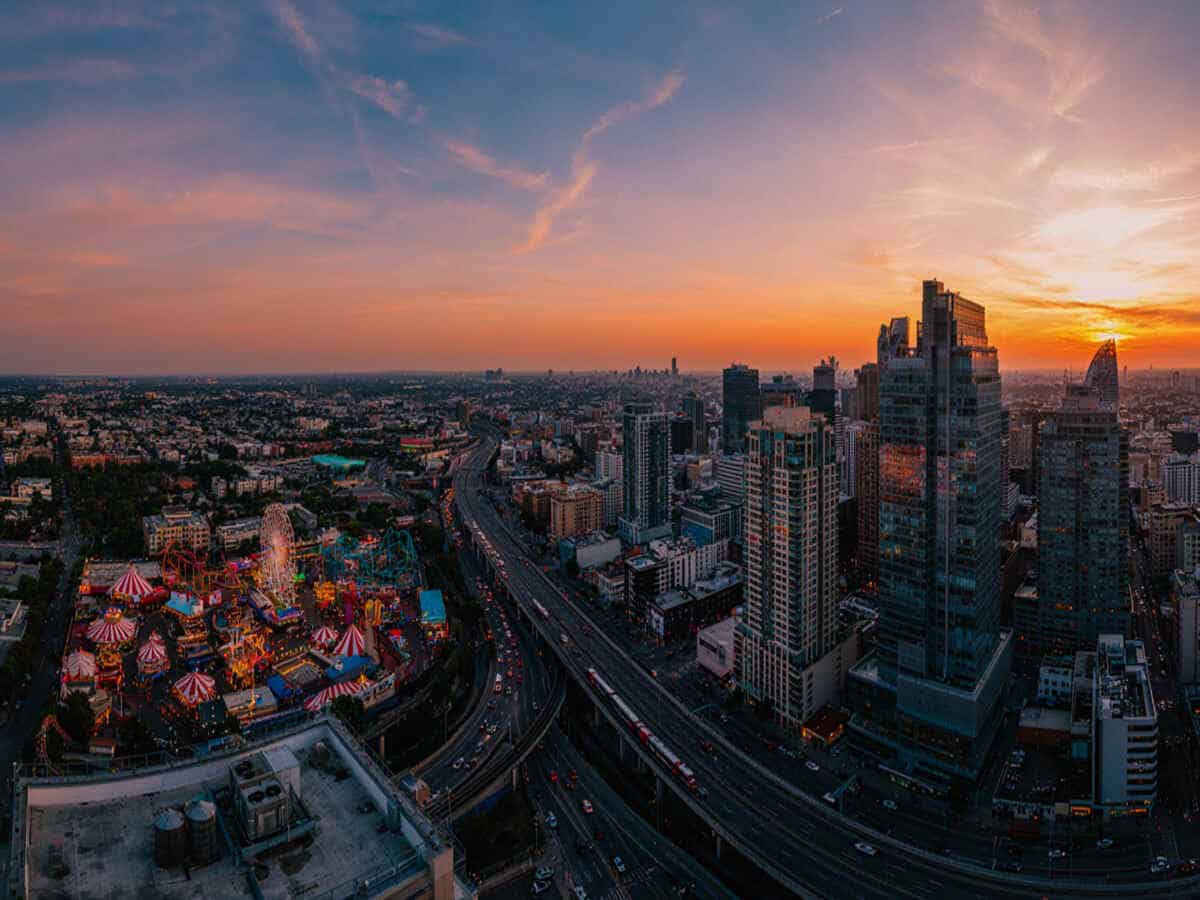
Russia Follows Hungary And More Countries As Saudi Arabia Redraws Travel Access Across 68 Nations With Bold Visa Reforms The Kingdom of Saudi Arabia has transformed travel with Russia visa free and improved eVisa access for 68…
 #Russia#Hungary#e-Visa#Visas & Entry Rules
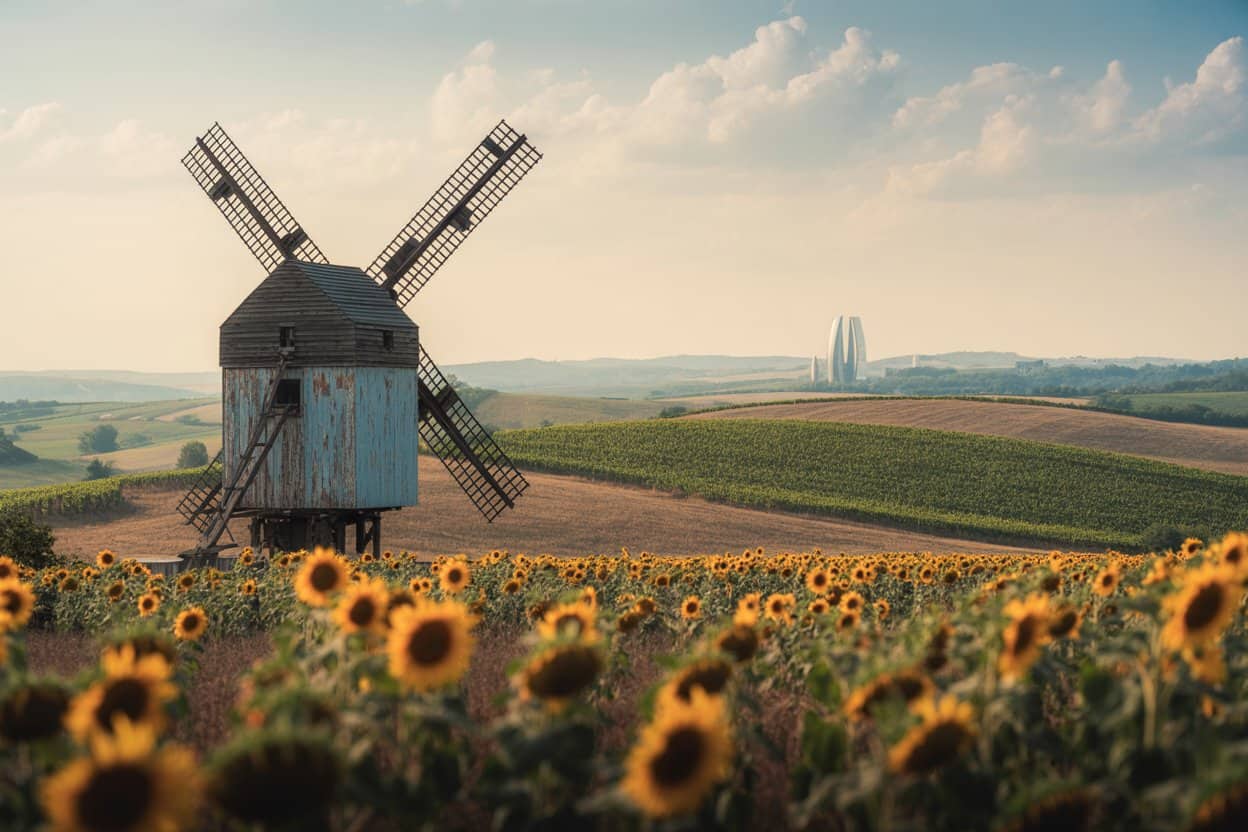
Europe Develops Its Healthcare Landscape in Hungary and Other Countries with Treatment and Sightseeing Hungary, Türkiye, Czechia and other European destinations reshape health tourism through medical treatment, recovery, wellness…
 #Hungary#Türkiye
Hungarian and French tourism leaders say closer cross-border cooperation could create richer experiences for visitors, while better use of data and greater protection of nature are vital to the region’s future.
 #Hungary#Central
Hungary has a continental climate with hot summers and cold winters. Rainfall is moderate year-round, with late spring and early summer often the wettest periods.
Typical daytime highs and rain in Budapest (approximate averages).
Day 1 explore Buda Castle, Fisherman's Bastion and a thermal bath. Day 2 tour Parliament, St Stephen's Basilica and the Jewish Quarter's ruin bars. Day 3 take a day trip to Szentendre on the Danube Bend. Day 4 visit the Great Market Hall and take an evening river cruise.
Day 1-4 Budapest and the Danube Bend. Day 5-6 head to Lake Balaton, Tihany and Hévíz. Day 7 visit Pécs. Day 8-10 travel northeast to Eger and Tokaj for castles and wine cellars.
Backpacker budget: about $35–55 a day
Emergency: 112 general · 107 police · 104 ambulance · 105 fire
Budapest Ferenc Liszt International Airport is the main gateway. Hungary is also well connected by rail and road to Austria, Slovakia, Romania, Serbia, Croatia and other neighbours, and Danube river cruises stop in Budapest.
✈️ Cheap flights to Hungary: airports, flight times & best time to fly →
Yes, Hungary is generally very safe for travellers. The main issues are pickpockets in busy areas and occasional bar overcharging scams in Budapest.
Spring (April-June) and autumn (September-October) offer mild weather and fewer crowds. Summer is great for Lake Balaton and festivals, while winter has Christmas markets and thermal baths.
Three to four days is ideal to see the main sights, enjoy a thermal bath and take a day trip. Add several more days to visit Lake Balaton or the wine regions.
English is widely spoken by young people and in the tourism sector in Budapest. In rural areas it's less common, so a few Hungarian phrases help.
Hungary is generally more affordable than Western Europe, especially for food, public transport and thermal baths. Budapest's central tourist areas can be pricier.
Approximate daily cost per person (stay, food, local transport).
Trains and buses fan out from Budapest to most towns. Budapest has a metro, trams and buses.
Nothing in this tab yet – the agents add new stories every few minutes.
🌏 You reached the start of our archive.

 SlovakiaCastle ruins, alpine peaks and a compact Danube capital
 SloveniaEmerald rivers, alpine lakes and a green little capital
 SerbiaLively nightlife, Orthodox monasteries and rolling green hills
.jpg/500px-Salzburg_(48489551981).jpg)
 AustriaAlpine peaks, imperial palaces and classical music
 Bosnia and HerzegovinaOttoman bridges, emerald rivers and coffee culture

 CroatiaIsland-hopping, walled cities and crystal-clear sea
 CzechiaFairy-tale castles, Gothic spires and world-famous beer
 RomaniaCastles, painted monasteries and wild Carpathian mountains