Slovakia's landscape of mountains, river valleys and fertile plains has drawn settlers since prehistoric times; the Venus of Moravany, a small figurine carved from mammoth ivory, dates back tens of thousands of years. Celtic tribes later minted coins near Bratislava, and the Romans built forts along the Danube frontier. In the fifth and sixth centuries, Slavic peoples arrived, and in the ninth century the realm of Great Moravia rose, welcoming the missionaries Cyril and Methodius, who brought a Slavic liturgy and alphabet.
From the tenth century, the territory became part of the Kingdom of Hungary, where it remained for nearly a thousand years. Medieval mining towns such as Banská Štiavnica and Kremnica grew rich on silver and gold, and towns like Levoča and Bardejov flourished with German settlers and merchants. After the Ottoman conquest of central Hungary in the sixteenth century, Bratislava, then known as Pressburg or Pozsony, served as the Hungarian capital and coronation city for centuries.
Read the full history
In the nineteenth century, a Slovak national revival led by figures such as Ľudovít Štúr codified the Slovak literary language. After the First World War, Slovaks joined Czechs to form Czechoslovakia in 1918. During the Second World War, a separate Slovak state was established under German influence, and the Slovak National Uprising of 1944 became a symbol of resistance. After the war, Czechoslovakia came under communist rule, and the 1968 reforms of Alexander Dubček, a Slovak, were crushed by Warsaw Pact forces.
The peaceful Velvet Revolution of 1989 ended communist rule, and in 1993 Czechoslovakia split peacefully into two countries. Slovakia joined NATO and the European Union in 2004 and adopted the euro in 2009. For visitors, its history is written in its castles – more per head than almost anywhere – its UNESCO-listed mining towns and wooden churches, and in the charming old towns that sit below the High Tatras.
Timeline
c. 5th centurySlavic tribes settle the region
833Great Moravia is established
863Cyril and Methodius arrive with a Slavic liturgy
1536Bratislava (Pressburg) becomes Hungary's capital
1918Slovakia becomes part of Czechoslovakia
1944Slovak National Uprising
1993Slovakia becomes an independent country
2004Slovakia joins NATO and the European Union
Slovakia🛂 Visa & entry
Entry rules depend on your passport and change often.
Schengen Area – Part of the Schengen Area – 29 European countries with no passport checks between them. Short visits are usually counted under the 90-days-in-any-180 rule across the whole area.
European Union – EU member – EU/EEA citizens can travel and stay freely.
Eurozone – Uses the euro.
Before you book, check the official rules for your passport:
Slovakia’s 2026 visa change lets eligible third-country bus and international freight drivers stay for their employment period, up to one year, replacing...
Hike the High TatrasClimb to alpine lakes and rocky peaks in the smallest high-mountain range in Europe.
Explore Spiš CastleWander one of the largest castle complexes in Central Europe, set dramatically on a hill.
Wander Bratislava's Old TownStroll cobbled lanes, find quirky bronze statues and climb to the castle above the Danube.
Climb ladders in Slovak ParadiseScale ladders and chains through waterfall-filled gorges in Slovenský raj National Park.
Visit Banská ŠtiavnicaExplore a hilly UNESCO-listed silver-mining town of colourful houses and old mines.
See the wooden churchesDiscover UNESCO-listed wooden churches in the Carpathian villages of the east.
Go cavingAdmire glittering ice and aragonite formations in caves such as Dobšiná Ice Cave or Ochtinská.
Ski in JasnáHit the slopes of Slovakia's largest ski resort in the Low Tatras.
Relax in a spa townSoak in thermal waters at historic spa towns such as Piešťany.
Eat bryndzové haluškyTry the national dish of potato dumplings with sheep's cheese and bacon in a rustic koliba.
Slovakia🗺️ Where to visit in Slovakia
Where to go in Slovakia
BratislavaCapital · Danube cityA compact, lively capital with a charming old town, a castle and a riverside café scene.
📍
High TatrasNorth · mountainsDramatic peaks, glacial lakes and excellent hiking and skiing.
Spiš CastleEast · castle ruinsVast hilltop ruins forming part of a UNESCO site with the town of Levoča.
Banská ŠtiavnicaCentral · mining townA picturesque historic town surrounded by artificial lakes built for mining.
Slovak Paradise National ParkEast · gorges & waterfallsAdventurous trails with ladders and footbridges through narrow ravines.
📍
BardejovNortheast · medieval townA beautifully preserved square and Gothic church, also a UNESCO site.
📍
Bojnice CastleCentral · fairytale castleA romantic, turreted castle that looks straight out of a storybook.
KošiceEast · citySlovakia's second city, with a grand Gothic cathedral and a lively main street.
Slovakia✨ Must-do experiences
Hike to mountain lakes and peaks in the High Tatras
Climb ladders through the gorges of Slovak Paradise
Explore the huge ruins of Spiš Castle
Relax in a thermal spa town like Piešťany
Slovakia🍽️ Taste of Slovakia
Bryndzové halušky – potato dumplings with sheep's cheese and bacon
Kapustnica – sauerkraut soup with sausage and mushrooms
Pirohy – filled dumplings, often with potato and cheese
Lokše – thin potato pancakes with sweet or savoury fillings
Slovakia🌦️ Weather & best time to visit Slovakia
Best time to visit Slovakia
Slovakia has a continental climate with warm summers and cold winters. The lowlands around Bratislava are the warmest and driest, while the Tatras are much cooler, with heavy snow in winter.
BestMay to September – warm weather for hiking, castles and outdoor cafés.
ShoulderApril and October – fewer tourists and pretty spring or autumn colours, with cooler nights.
AvoidNo bad time – winter (December to March) is cold and grey in the lowlands but excellent for skiing in the mountains.
3°💧Jan
5°💧Feb
11°💧Mar
17°💧Apr
22°💧May
25°💧Jun
27°💧Jul
27°💧Aug
21°💧Sep
15°💧Oct
8°💧Nov
4°💧Dec
Typical daytime highs and rain in Bratislava (approximate averages).
Slovakia🎉 Festivals & events in Slovakia
July
Východná Folklore FestivalThe country's biggest folk festival, with traditional music, dance and costumes.
July
PohodaA popular multi-genre music festival held near Trenčín.
June
Bratislava Coronation CelebrationsCostumed re-enactments recall the Hungarian kings and queens crowned in the city.
Late November–December
Christmas MarketsBratislava and Košice fill with stalls selling mulled wine, crafts and local food.
Slovakia🧭 Slovakia itinerary ideas
How many days in Slovakia?
5 daysBratislava and the Tatras
Day 1-2: explore Bratislava's old town, castle and Devín Castle. Day 3-5: take the train to the High Tatras for hiking, lakes such as Štrbské Pleso and cable cars.
10 daysCastles and mountains
Day 1-2: Bratislava. Day 3: Bojnice Castle. Day 4: Banská Štiavnica. Day 5-7: High Tatras. Day 8: Slovak Paradise. Day 9: Spiš Castle and Levoča. Day 10: Košice.
Slovakia🎒 Backpacking Slovakia – tips & hacks
Backpacker budget: about $40–60 a day
Trains are inexpensive and connect major cities and the Tatras, and some groups such as students may travel free or at reduced fares – check eligibility.
Hostels are available in Bratislava, Košice and the Tatras, while mountain chalets offer budget beds on hiking routes.
Eat a set lunch menu (denné menu), widely offered on weekdays at local restaurants for a very good price.
Wild camping is restricted in national parks, so use official campsites and huts.
Bratislava is an easy and affordable day trip or stop between Vienna and Budapest.
Slovakia🛡️ Safety & money in Slovakia
Stay safe
Slovakia is very safe; watch out for pickpockets on public transport and in busy tourist areas.
Weather in the Tatras can change quickly; check forecasts and stick to marked trails.
Some high-mountain trails in the Tatras are closed seasonally to protect nature, so check before setting out.
Be careful on icy roads and pavements in winter.
Money
Slovakia uses the euro (EUR), and ATMs are widely available.
Cards are accepted in most places, but keep cash for mountain huts and small village shops.
Tipping of around 5-10% in restaurants is appreciated.
Emergency: 112 general · 158 police · 155 ambulance · 150 fire
Slovakia🛬 Getting to Slovakia
Bratislava has an airport, but many travellers fly into Vienna, about an hour away, or Košice in the east. Good train and bus connections link Slovakia with Austria, the Czech Republic, Hungary and Poland.
Bratislava is one of the only capitals bordering two other countries, Austria and Hungary.
Slovakia has a very high number of castles and chateaux for its size.
Eleven Hungarian kings and queens were crowned in Bratislava's St Martin's Cathedral.
The High Tatras are often called the smallest high-mountain range in the world with an alpine character.
Slovakia is one of the world's largest car producers per capita.
Slovakia❓ Slovakia travel FAQ
Slovakia travel questions
Is Slovakia safe for tourists?
Yes, Slovakia is very safe. Petty theft is rare but possible in busy areas, and hikers should take mountain weather seriously.
When is the best time to visit Slovakia?
May to September is best for hiking and sightseeing. December to March is great for skiing.
How many days do you need in Slovakia?
Five days covers Bratislava and the High Tatras. Ten days lets you add castles, mining towns and the east.
Do I need a visa for Slovakia?
It depends on your passport – Slovakia is part of the Schengen Area, so check the official government site or embassy before you travel.
Is Slovakia cheap to visit?
Slovakia is affordable compared with Western Europe, especially for food and transport. Bratislava is the most expensive area.
Slovakia💰 What a trip costs
$$price level
$40–60backpacker / day
$90–150mid-range / day
Approximate daily cost per person (stay, food, local transport).
Slovakia🚌 Getting around
Trains run across the country from Bratislava to Košice, passing the Tatras. Buses reach smaller towns, and a small electric railway links the Tatra resorts.
Slovakia🛕 Sacred & spiritual places
Basilica of St. James, Levoča – Gothic church holding the world's tallest wooden Gothic altar
Marianka – Slovakia's oldest Marian pilgrimage site, in the hills near Bratislava
Slovakia🤝 Local etiquette
Greet people with 'dobrý deň' (good day) when entering shops
Take off your shoes in people's homes
Keep your voice down on public transport
Nothing in this tab yet – the agents add new stories every few minutes.
📰 Older Slovakia stories Everything our agents ever found – keeps loading as you scroll


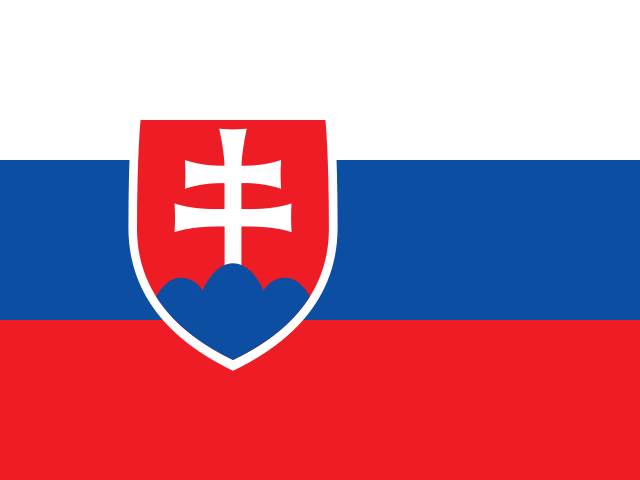
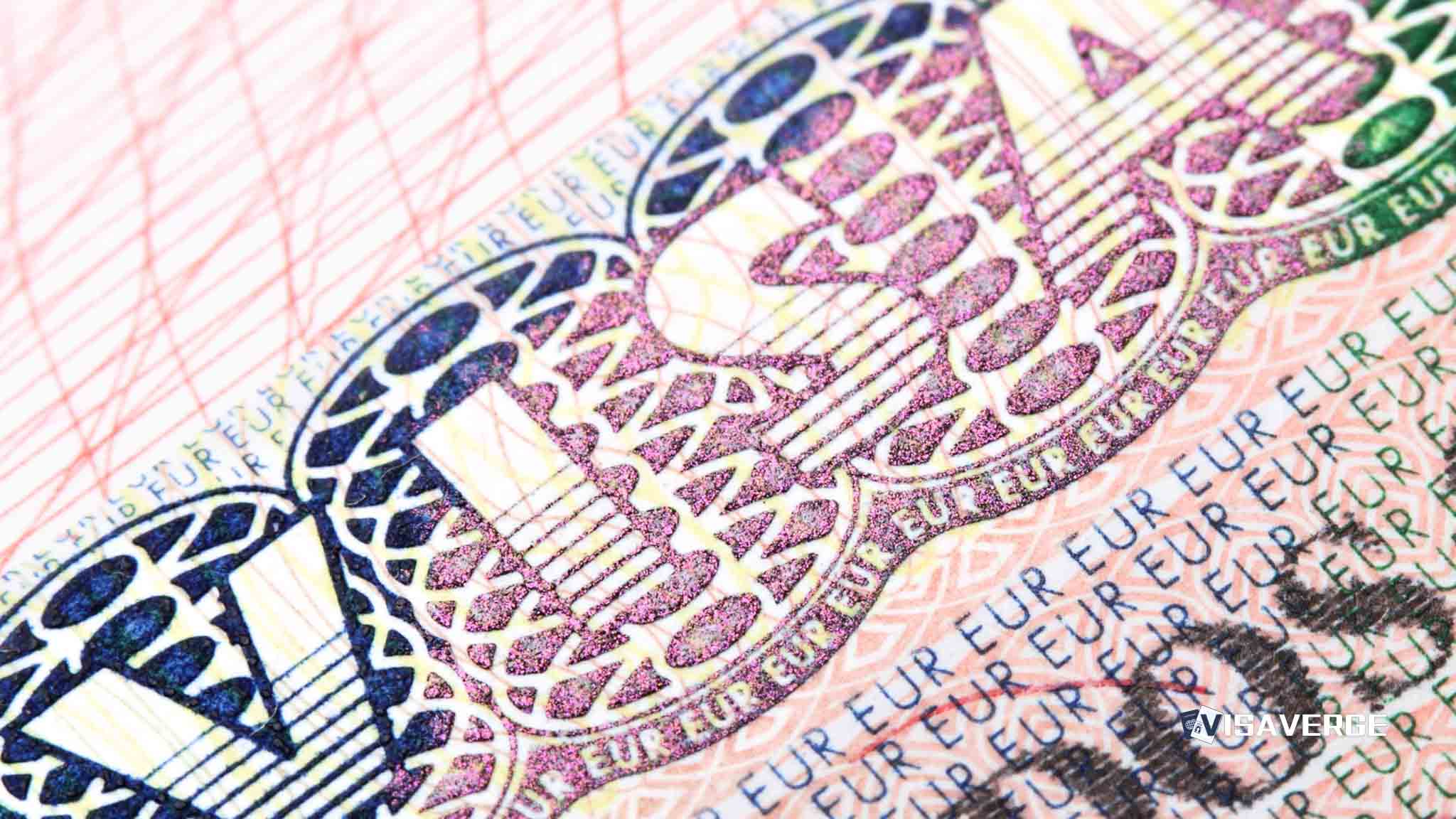 #Slovakia#Visas & Entry Rules

 HungaryThermal baths, Danube views and paprika-rich food
 CzechiaFairy-tale castles, Gothic spires and world-famous beer
 PolandHistoric old towns, mountain trails and hearty pierogi
.jpg/500px-Salzburg_(48489551981).jpg)
 AustriaAlpine peaks, imperial palaces and classical music
 SloveniaEmerald rivers, alpine lakes and a green little capital
 RomaniaCastles, painted monasteries and wild Carpathian mountains
 CroatiaIsland-hopping, walled cities and crystal-clear sea
 SerbiaLively nightlife, Orthodox monasteries and rolling green hills