


.jpg/1920px-Zagreb_(29255640143).jpg)
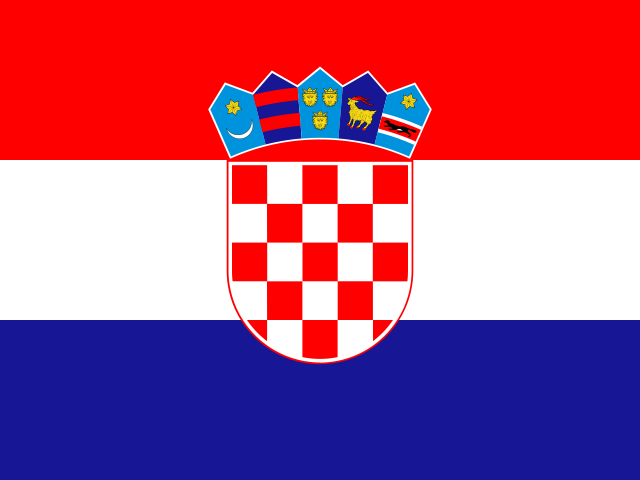
Croatia📸 Photo album · 9 photos · Ultra-HD
 Dubrovnik
Island-hopping, walled cities and crystal-clear sea
🕒 –:– local time6 stories this week4 sources 6 top placesCapital Zagreb
Croatia's coast and islands have attracted settlers since prehistoric times. Illyrian tribes such as the Liburnians and Delmatae built hillforts and sailed the Adriatic, while Greek colonists founded towns on islands like Vis and Hvar. Rome conquered the region and made it the province of Dalmatia; the emperor Diocletian built a vast retirement palace at Split around 300 AD, which still forms the heart of the city, and the amphitheatre at Pula remains one of the best preserved in the world.
Slavic peoples, including the Croats, arrived in the seventh century and adopted Christianity. A Croatian kingdom emerged in the tenth century under Tomislav, often called the first king. In 1102 Croatia entered a union with Hungary, and over the following centuries the coast passed largely to Venice, whose stone towns, bell towers and lions still define much of Dalmatia. Dubrovnik, meanwhile, flourished as the independent Republic of Ragusa, a wealthy maritime state famous for diplomacy.
The Ottoman advance in the sixteenth century pushed the Habsburgs to fortify a Military Frontier across inland Croatia. After Napoleon's brief rule, Croatia became part of the Austrian Empire and later Austria-Hungary, while a national revival promoted the Croatian language and culture. After the First World War, Croatia joined the Kingdom of Serbs, Croats and Slovenes, later Yugoslavia, and after the Second World War it became a republic within socialist Yugoslavia.
Croatia declared independence in 1991, followed by a war that ended in 1995. The country rebuilt quickly, joined NATO in 2009 and the European Union in 2013, and adopted the euro and joined the Schengen Area in 2023. For visitors, its layers of history are a joy to explore: Roman ruins in Split and Pula, Venetian harbour towns, Dubrovnik's mighty walls and the elegant Austro-Hungarian streets of Zagreb, all set against more than a thousand islands and an astonishingly clear sea.
Entry rules depend on your passport and change often.
Before you book, check the official rules for your passport:
The latest visa and entry news for Croatia appears below as soon as publishers report it.
Yes, you need an eSIM for Croatia — even though it seems like everywhere has wifi! From cafes in Split to apartments in the hills of Dubrovnik, it seems like the wifi card is just about everywhere. But that only gets you so far.…
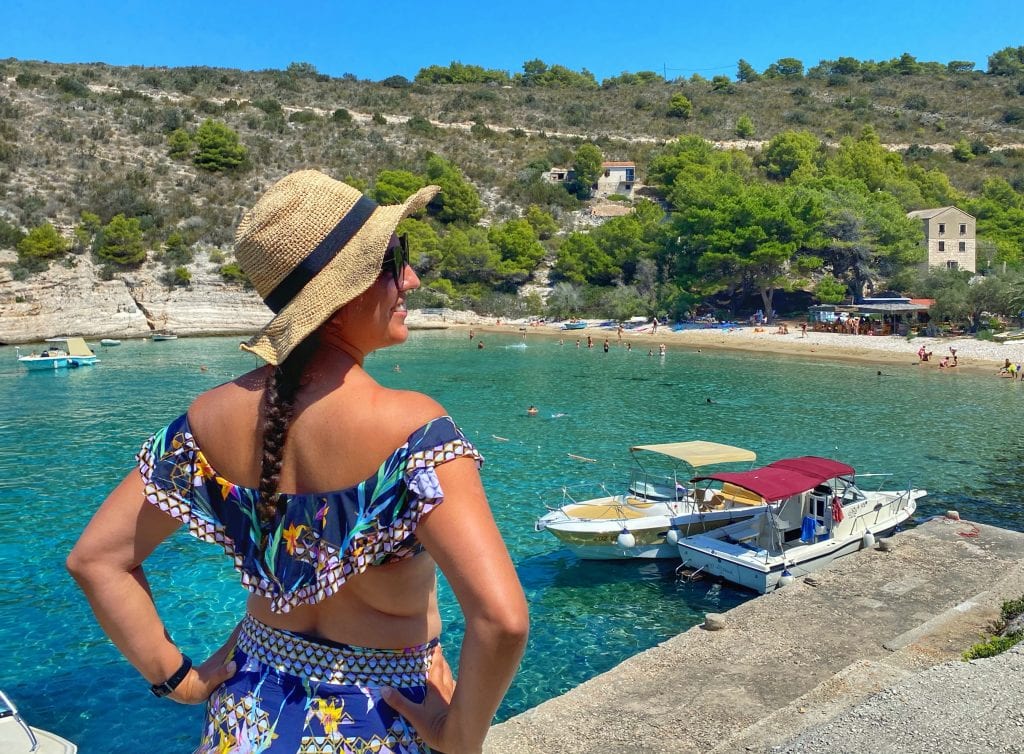 #Croatia#eSIM#Backpackers & Hostels
Croatia Updates Zadar Ferry Travel as Revised October Schedule Changes Access to Remote Adriatic Islands Croatia revises Zadar ferry travel as an October timetable change affects remote Adriatic island access.
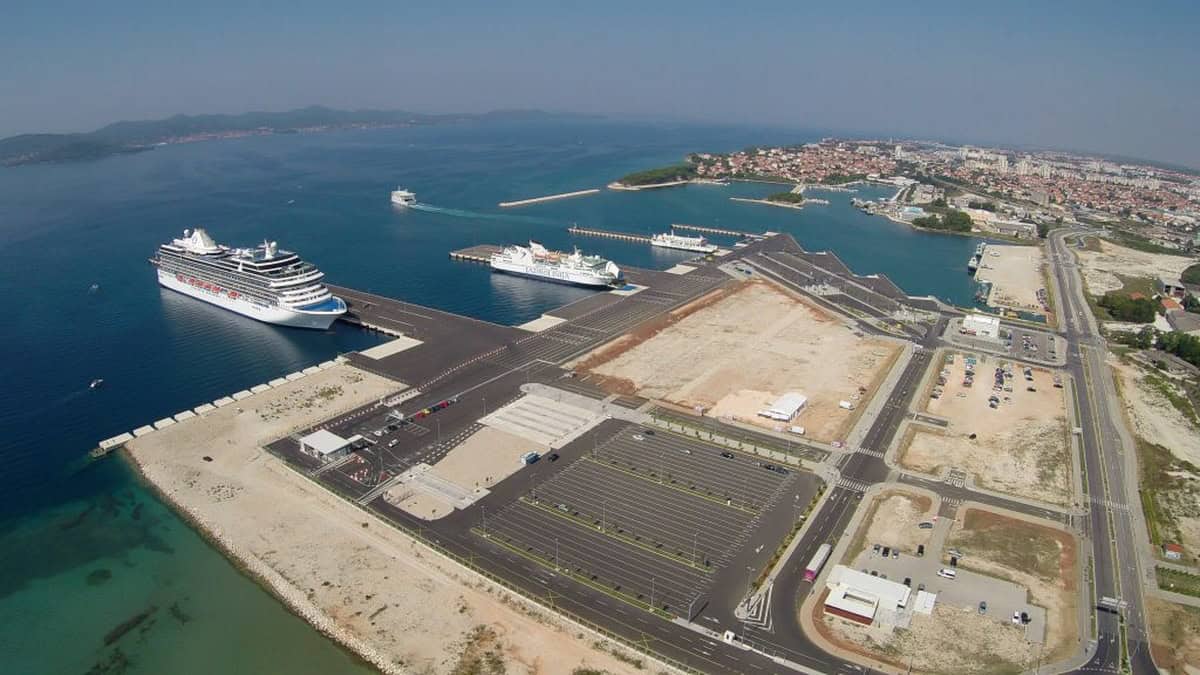 #Croatia#Islands#Destinations
Croatia Gains International Attention in Eco-Tourism with Locations Such as Dubrovnik and More Croatia gains global eco-tourism attention as Dubrovnik, Lošinj, Nin, Krk and more embrace sustainable travel and smarter visitor…
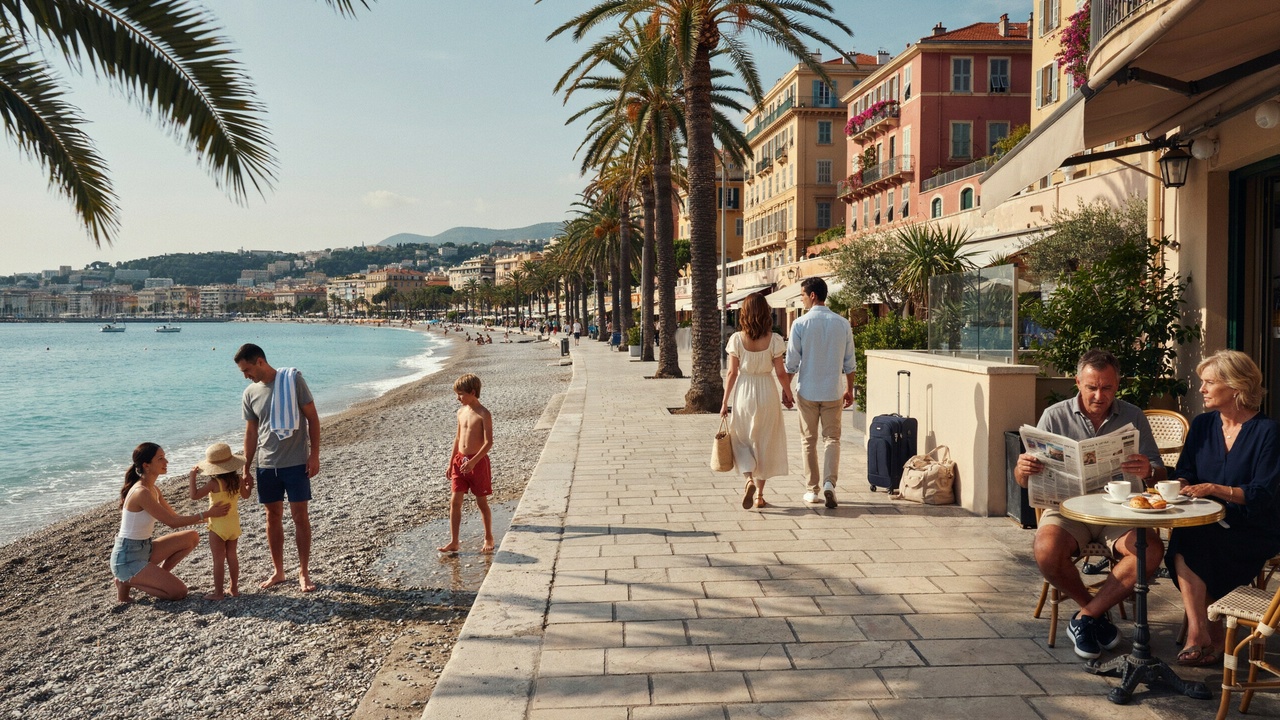 #Croatia#Dubrovnik
Croatia Aligns with Slovenia and More Welcomes Travellers to Historic Towns Ahead of Summer Crowds Discover Croatia and Slovenia as travel experts highlight twenty historic destinations offering heritage architecture, coastal…
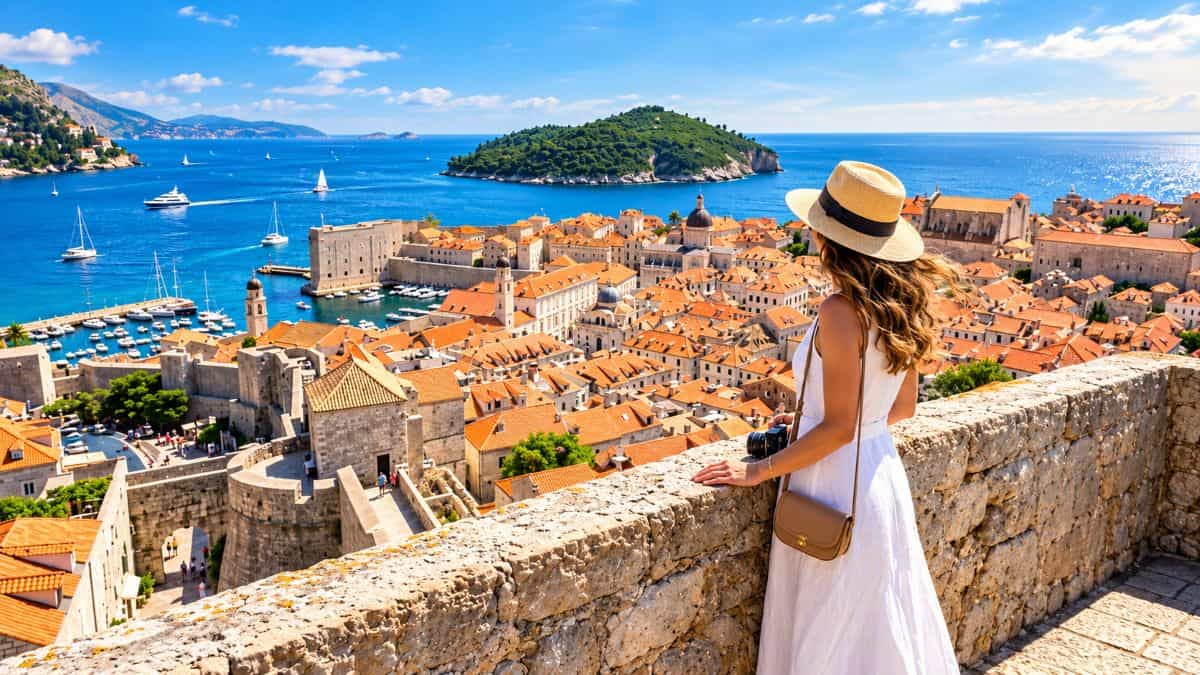 #Croatia#Slovenia
Norway Moves Alongside Croatia and More as Preikestolen Plans Smart Forecasting to Ease Tourism Pressure Norway uses smart forecasting at Preikestolen to predict crowd peaks, ease congestion and support safer, sustainable tourism.
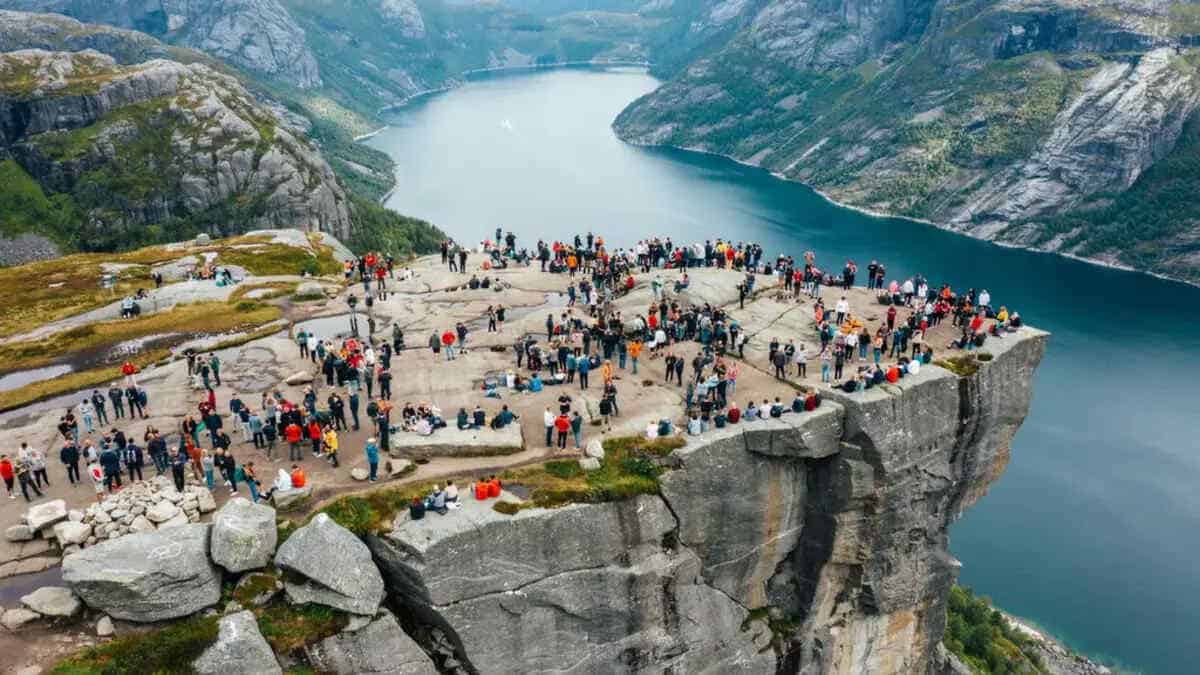 #Norway#Croatia#Preikestolen
Picture of the day The tower of the Cathedral of Saint Domnius ( Split, Croatia ) as seen from the Vestibule of Diocletian's Palace .
 #Croatia#Inspiring & Scenic
The capitals of Slovenia and Croatia are overlooked in favour of lake and coastal destinations elsewhere – here’s why it’s time for you to change that.
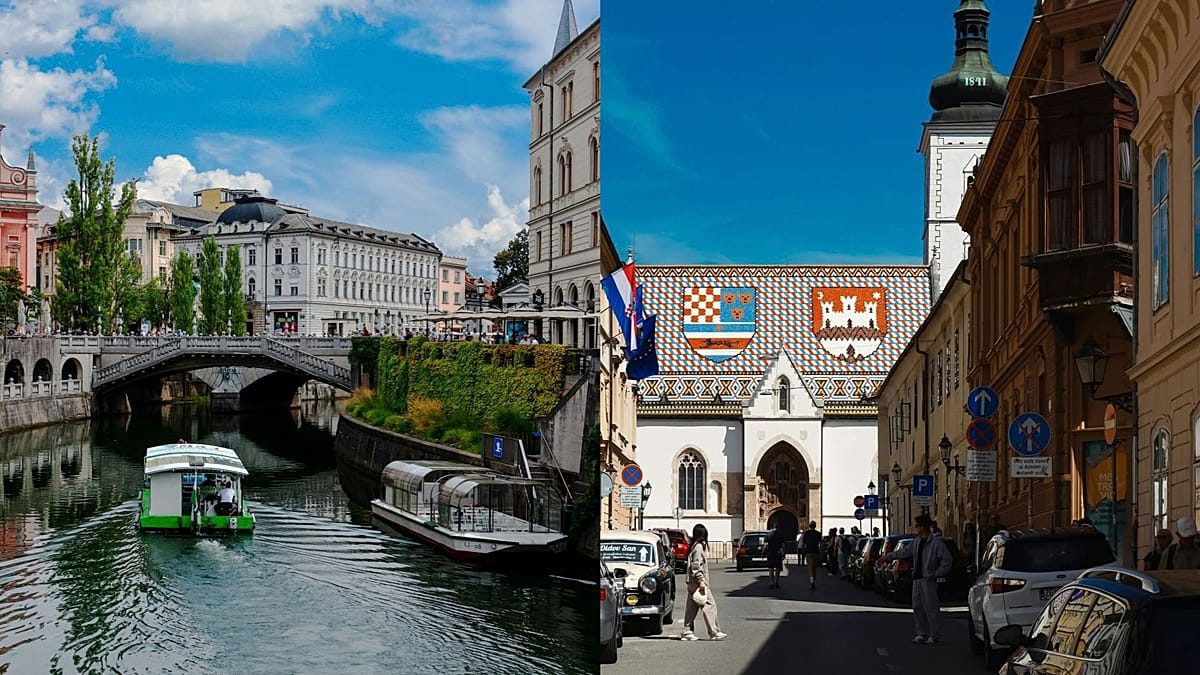 #Slovenia#Croatia#Ljubljana#Zagreb
The guide book publisher just announced its 2027 Best in Travel list, with spots like Šibenik in Croatia and the Swedish Riviera making the cut.
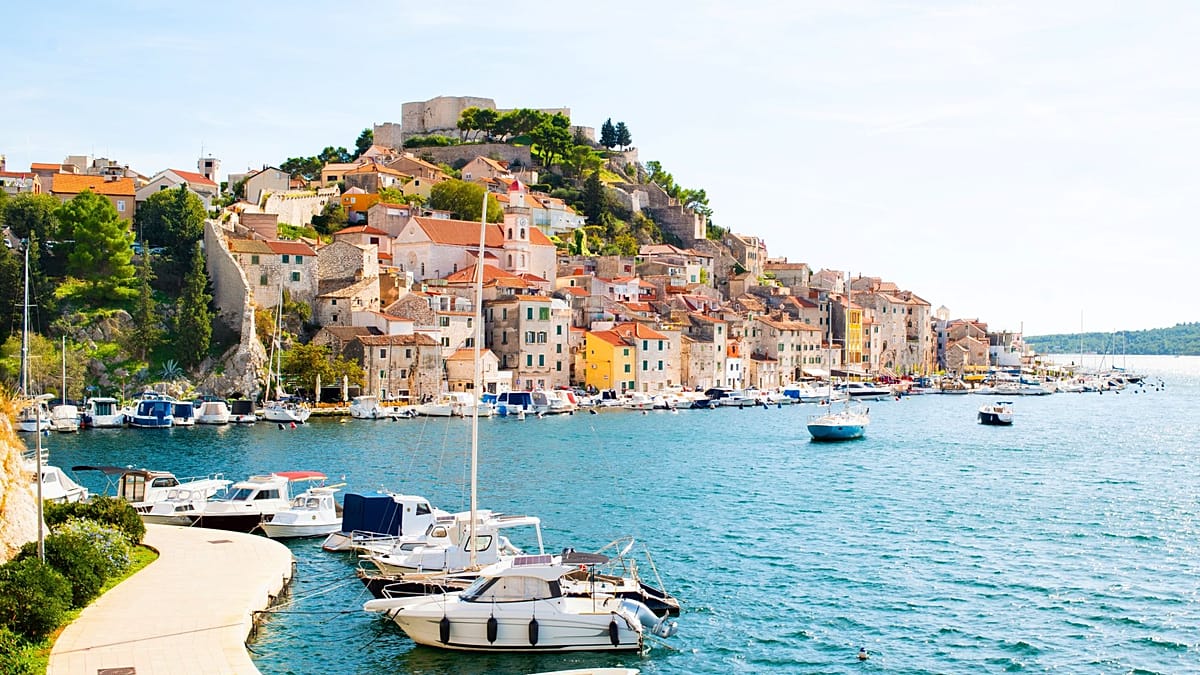 #Croatia#Sweden
The coast has a Mediterranean climate with hot, dry summers and mild, wetter winters. Inland areas such as Zagreb and Plitvice are continental, with hot summers and cold, sometimes snowy winters.
Typical daytime highs and rain in Dubrovnik (approximate averages).
Day 1-2: explore Split and Diocletian's Palace, with a day trip to Krka waterfalls. Day 3: take a ferry to Hvar for beaches and the old town. Day 4-5: continue to Dubrovnik to walk the walls and kayak to Lokrum.
Day 1-2: Zagreb's old town and markets. Day 3: Plitvice Lakes. Day 4-5: Zadar and its sunsets. Day 6-7: Split and a day trip to Krka or Trogir. Day 8: ferry to Hvar or Korčula. Day 9-10: finish in Dubrovnik.
Backpacker budget: about $50–80 a day
Emergency: 112 · 192 police · 194 ambulance · 193 fire
The main international airports are Zagreb, Split and Dubrovnik, with seasonal flights also to Zadar, Pula and Rijeka. Croatia is easy to reach by road and rail from neighbouring countries, and overnight ferries link it with Italy.
✈️ Cheap flights to Croatia: airports, flight times & best time to fly →
Yes, Croatia is one of Europe's safest destinations. Watch for pickpockets in busy summer crowds and respect sun, heat and sea conditions.
May, June and September offer warm weather, a pleasant sea and fewer crowds. July and August are hottest and busiest.
Five days covers Split, an island and Dubrovnik. Ten days lets you add Zagreb, Plitvice and Zadar.
It depends on your passport – check the official government site or a Croatian embassy before you travel.
Croatia uses the euro. Cards are widely accepted, but having some cash helps in small towns and on islands.
Approximate daily cost per person (stay, food, local transport).
Buses connect coastal and inland towns, and ferries and catamarans serve the islands. Renting a car is popular for flexibility.
Nothing in this tab yet – the agents add new stories every few minutes.
🌏 You reached the start of our archive.

 SloveniaEmerald rivers, alpine lakes and a green little capital
 Bosnia and HerzegovinaOttoman bridges, emerald rivers and coffee culture
 San MarinoTiny hilltop republic with medieval towers and big views
.jpg/500px-Salzburg_(48489551981).jpg)
 AustriaAlpine peaks, imperial palaces and classical music
 HungaryThermal baths, Danube views and paprika-rich food

 ItalyAncient Rome, Renaissance art and the world's favourite food

 Vatican CityThe world's smallest country and the heart of Catholicism
 MontenegroFjord-like bays, mountain canyons and Adriatic beaches