People first settled the shores and forests of Estonia soon after the last Ice Age, around 11,000 years ago. Finno-Ugric ancestors of today's Estonians lived here for millennia as farmers, fishers and traders, worshipping in sacred groves and building hill forts. Their language, closely related to Finnish, set them apart from their Baltic and Slavic neighbours and remains a proud marker of identity.
In the early thirteenth century German and Danish crusaders conquered the region, and for centuries a Baltic German nobility dominated the countryside while Hanseatic merchants grew rich in towns like Tallinn (then Reval), Tartu and Pärnu. Control later passed to Sweden in the sixteenth and seventeenth centuries, a period remembered for the founding of the University of Tartu in 1632, and then to the Russian Empire after the Great Northern War. In the nineteenth century a national awakening revived Estonian language, literature and song, with the first national song festival held in Tartu in 1869.
Read the full history
Estonia declared independence on 24 February 1918 and secured it in a war that ended in 1920. The young republic was occupied by the Soviet Union in 1940, then by Nazi Germany, and again by the Soviets from 1944. Resistance took a remarkable form: during the 'Singing Revolution' of the late 1980s huge crowds gathered to sing patriotic songs, and in 1989 people from all three Baltic states joined hands in a human chain. Independence was restored in 1991, and Estonia joined both the European Union and NATO in 2004.
Today Estonia is a forward-looking digital society famed for e-government and tech start-ups, yet deeply rooted in nature and folk tradition. Visitors find the beautifully preserved medieval Old Town of Tallinn, manor houses and bogs, sauna culture, quiet islands such as Saaremaa and the unforgettable choir gatherings of the Song Festival Grounds.
Timeline
c. 9000 BCFirst settlers arrive after the Ice Age
1219Danish forces capture Tallinn
1632The University of Tartu is founded under Swedish rule
1710Estonia falls under Russian imperial rule
1869The first Estonian Song Festival is held in Tartu
1918Independence is declared on 24 February
1991Independence is restored
2004Estonia joins the EU and NATO
Estonia🛂 Visa & entry
Entry rules depend on your passport and change often.
Schengen Area – Part of the Schengen Area – 29 European countries with no passport checks between them. Short visits are usually counted under the 90-days-in-any-180 rule across the whole area.
European Union – EU member – EU/EEA citizens can travel and stay freely.
Eurozone – Uses the euro.
Before you book, check the official rules for your passport:
Tallinn Tourism Hits Record as Estonia Struggles to Recover Beyond Capital Tallinn sets a July tourism record as Finnish visitors drive growth, while Estonia’s regional destinations continue to lag behind pre-pandemic levels.
Explore Tallinn's Old TownWander cobbled lanes, towers and merchant houses in one of Europe's best-preserved medieval centres.
Walk a bog boardwalkStroll across raised bogs dotted with dark pools in Soomaa or Lahemaa, especially magical at sunrise.
Take a smoke saunaExperience the traditional chimney-less sauna of Võrumaa, a UNESCO-recognised ritual, then plunge into a cold lake.
Cycle around SaaremaaPedal past windmills, juniper meadows and the meteorite crater at Kaali on Estonia's largest island.
Visit Lahemaa manor housesTour grand Baltic German estates like Palmse and Sagadi surrounded by forest and coast.
Canoe in Soomaa's fifth seasonPaddle through flooded forests and meadows during the spring floods that locals call the fifth season.
See Telliskivi's creative cityBrowse design shops, street art and food trucks in a converted factory district in Tallinn.
Discover Tartu's student lifeExplore the university town's museums, cafés and the riverside Emajõgi waterfront.
Explore Kadriorg ParkAdmire Peter the Great's baroque palace and the striking KUMU art museum among leafy gardens.
Watch the summer white nightsEnjoy late-night light around midsummer, when the sun barely sets on the Baltic coast.
Estonia🗺️ Where to visit in Estonia
Where to go in Estonia
TallinnNorth coast · capitalA medieval Old Town, Baltic seafront and lively creative districts make the capital a compact delight.
TartuSouth · university cityEstonia's intellectual heart, with a historic university, excellent museums and a youthful buzz.
Lahemaa National ParkNorth coast · forests & manorsBogs, boulder-strewn beaches, fishing villages and manor houses, all an easy trip from Tallinn.
SaaremaaWest Estonian Archipelago · islandA rural island of windmills, a castle at Kuressaare and the Kaali meteorite crater.
Soomaa National ParkSouthwest · wetlandsA wilderness of bogs and rivers famous for spring floods and canoe trips.
PärnuSouthwest coast · summer resortEstonia's summer capital, with a long sandy beach, spas and festivals.
📍
OtepääSouth · hills & lakesThe 'winter capital' with cross-country skiing in winter and lake swimming in summer.
📍
HaapsaluWest coast · seaside townA charming spa town with wooden villas, a bishop's castle and calm bays.
Estonia✨ Must-do experiences
Walk the towers and walls of Tallinn Old Town
Try a traditional smoke sauna
Hike a bog boardwalk at sunrise
Island-hop to Saaremaa and Hiiumaa
Estonia🍽️ Taste of Estonia
Verivorst – blood sausage eaten at Christmas
Kama – mixed-grain flour stirred into kefir or buttermilk
Leib – dense dark rye bread
Kiluvõileib – rye bread sandwich topped with sprats and egg
Estonia🌦️ Weather & best time to visit Estonia
Best time to visit Estonia
Estonia has a cool temperate climate with mild summers and cold, snowy winters. The islands and coast are slightly milder in winter, while the inland south gets more snow and colder nights.
BestJune to August – long, light-filled days, warm weather, festivals and island hopping.
ShoulderMay and September – fresh, green and quieter, good for hiking and city breaks.
AvoidNovember – dark, damp and grey before the snow arrives; otherwise winter is cold but magical for Christmas markets and skiing.
-1°💧Jan
-1°💧Feb
3°💧Mar
10°💧Apr
16°💧May
20°💧Jun
22°💧💧Jul
21°💧💧Aug
16°💧Sep
9°💧💧Oct
4°💧💧Nov
1°💧Dec
Typical daytime highs and rain in Tallinn (approximate averages).
Estonia🎉 Festivals & events in Estonia
July (every five years)
Estonian Song and Dance CelebrationTens of thousands of singers and dancers perform together in Tallinn's Song Festival Grounds in a powerful celebration of national identity.
June
Midsummer (Jaanipäev)On 23-24 June Estonians light bonfires, sing and stay up through the short white night.
Late May–early June
Tallinn Old Town DaysMedieval markets, concerts and costumed performances fill the old town streets.
Late November–December
Tallinn Christmas MarketTown Hall Square fills with wooden stalls, a tall tree and warming mulled wine.
Estonia🧭 Estonia itinerary ideas
How many days in Estonia?
4 daysTallinn and Lahemaa
Day 1-2: Tallinn's Old Town, Kadriorg Park and Telliskivi creative city. Day 3: a day trip to Lahemaa National Park's bogs and manor houses. Day 4: the seaside and Estonian Open Air Museum.
9 daysEstonia loop
Day 1-3: Tallinn and Lahemaa. Day 4-5: Tartu and the southern lakes around Otepää. Day 6: Soomaa National Park for bog walks or canoeing. Day 7-8: Pärnu, then the ferry from Virtsu to Saaremaa. Day 9: return via Haapsalu to Tallinn.
Estonia🎒 Backpacking Estonia – tips & hacks
Backpacker budget: about $40–60 a day
Intercity buses and trains are cheap, comfortable and have free Wi-Fi; book online for the best fares.
Tallinn's Old Town and Kalamaja areas have the most hostels, and Tartu has good budget options too.
Look for weekday lunch specials (päevapraad) for a filling, cheap meal.
Camping is easy thanks to free state forest campsites and hiking huts maintained by the national forest agency.
Tallinn is a quick ferry ride from Helsinki, making it easy to combine both on a budget.
Estonia🛡️ Safety & money in Estonia
Stay safe
Estonia is very safe; watch for pickpockets in Tallinn's Old Town during the busy cruise season.
In winter, wear shoes with good grip on icy pavements and dress in warm layers.
Check yourself for ticks after walking in forests and meadows in summer.
Be careful when swimming in the cold Baltic or lakes and avoid alcohol before taking a dip.
Money
Estonia uses the euro and is highly digital – cards and contactless payments work almost everywhere.
ATMs are easy to find, but you will rarely need much cash.
Tipping is not obligatory; leaving around 10% for good restaurant service is appreciated.
Emergency: 112 police, fire & ambulance
Estonia🛬 Getting to Estonia
Tallinn Airport is the main international gateway; frequent ferries connect Tallinn with Helsinki and Stockholm, and buses and trains link with Latvia.
Estonia was the first country to allow online voting in national elections.
Skype was developed by Estonian engineers.
About half of Estonia is covered in forest.
Estonia has more than 2,000 islands along its coast.
Tallinn's Town Hall Pharmacy is one of the oldest continuously operating pharmacies in Europe.
Estonia❓ Estonia travel FAQ
Estonia travel questions
Is Estonia safe for tourists?
Yes, Estonia is one of Europe's safest countries, with low crime and good infrastructure. Usual precautions against pickpockets in busy areas are enough.
What is the best time to visit Estonia?
June to August is best for long days, festivals and the islands. December is lovely for Christmas markets if you don't mind the cold and short days.
How many days do you need in Estonia?
Two or three days are enough for Tallinn. A week or more lets you add Tartu, national parks and the islands.
Do people speak English in Estonia?
Yes, English is widely spoken, especially among younger people and in tourism. Estonian is the official language, and Russian is also common in some areas.
Do I need a visa for Estonia?
Estonia is in the Schengen Area, and requirements depend on your passport. Check the official Estonian government site or embassy before you travel.
Estonia💰 What a trip costs
$$price level
$40–60backpacker / day
$100–170mid-range / day
Approximate daily cost per person (stay, food, local transport).
Estonia🚌 Getting around
Comfortable buses and trains link the main towns, and ferries reach the islands. Tallinn is compact, with trams and buses.
Estonia🛕 Sacred & spiritual places
Alexander Nevsky Cathedral – Onion-domed Orthodox cathedral on Toompea Hill in Tallinn
Pühtitsa Convent – Orthodox convent and pilgrimage site in north-east Estonia
Estonia🤝 Local etiquette
Estonians value personal space and quiet
Take your shoes off when entering a home
Be punctual for meetings and tours
Nothing in this tab yet – the agents add new stories every few minutes.
📰 Older Estonia stories Everything our agents ever found – keeps loading as you scroll


.jpg/1920px-P%C3%A4rnu_kesklinn_-_Aerial_photo_of_P%C3%A4rnu_in_Estonia_(2).jpg)


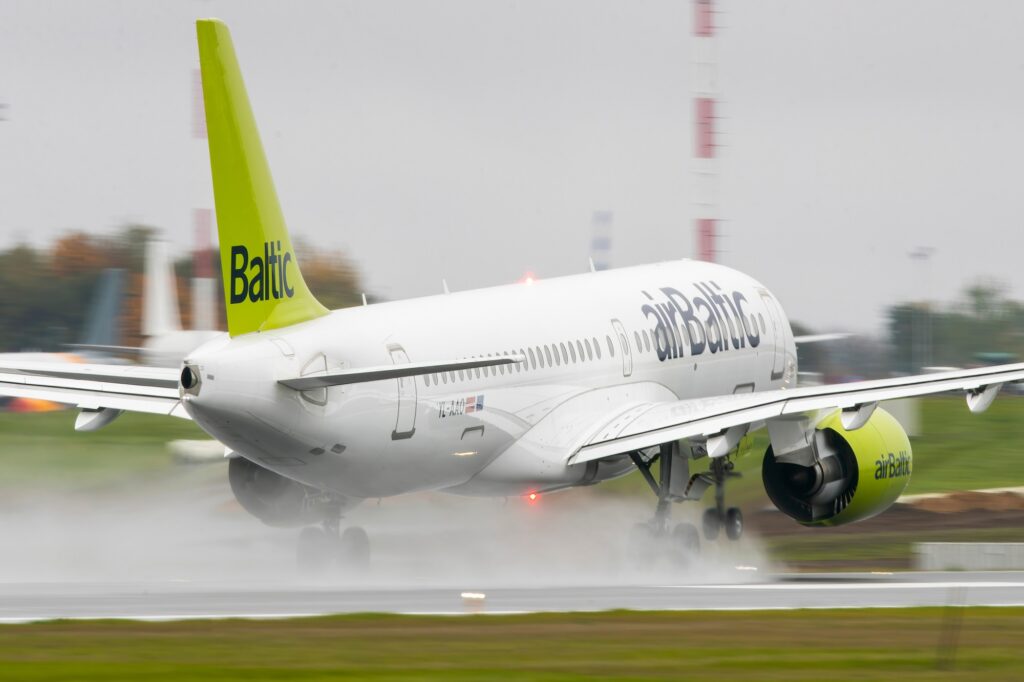 #Latvia#Lithuania#Riga#Vilnius
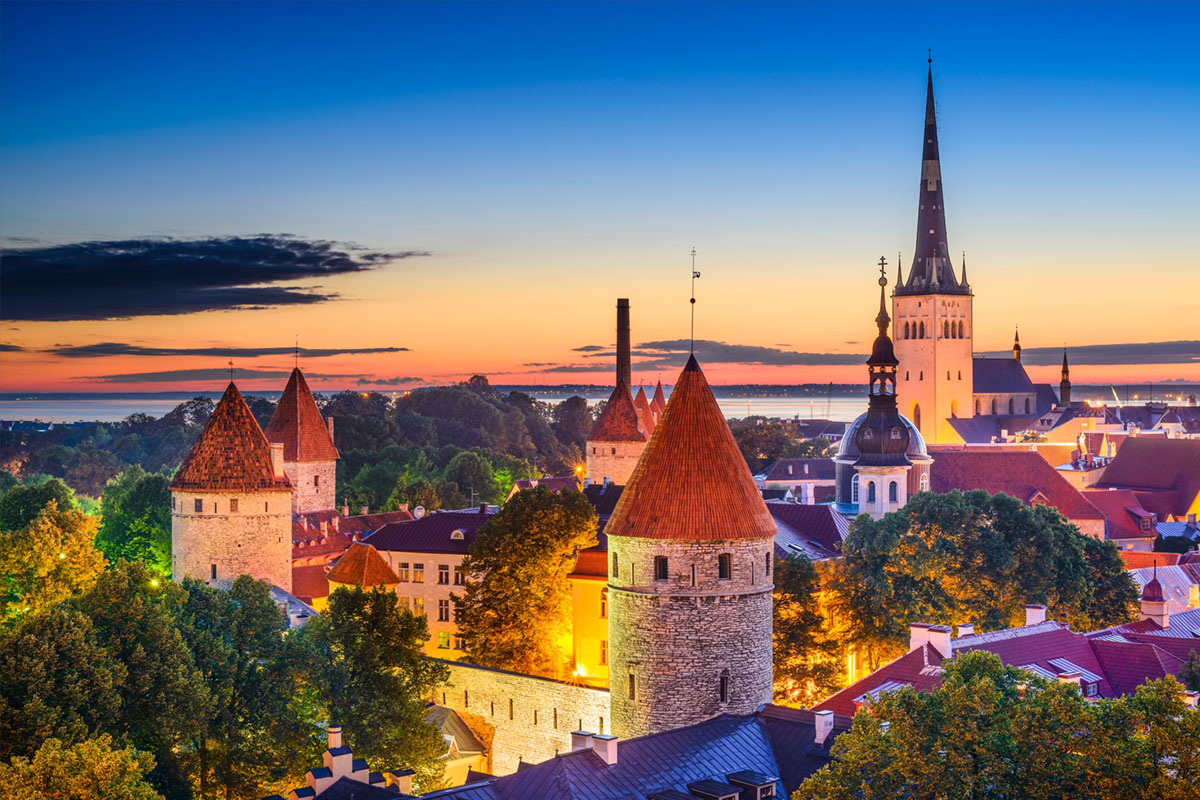 #Estonia#Finland#Tallinn
.jpg/500px-Rundale_Palace_(6483271573).jpg)
 LatviaArt Nouveau Riga, sandy beaches and quiet forests
.jpg)
 FinlandSaunas, northern lights and thousands of lakes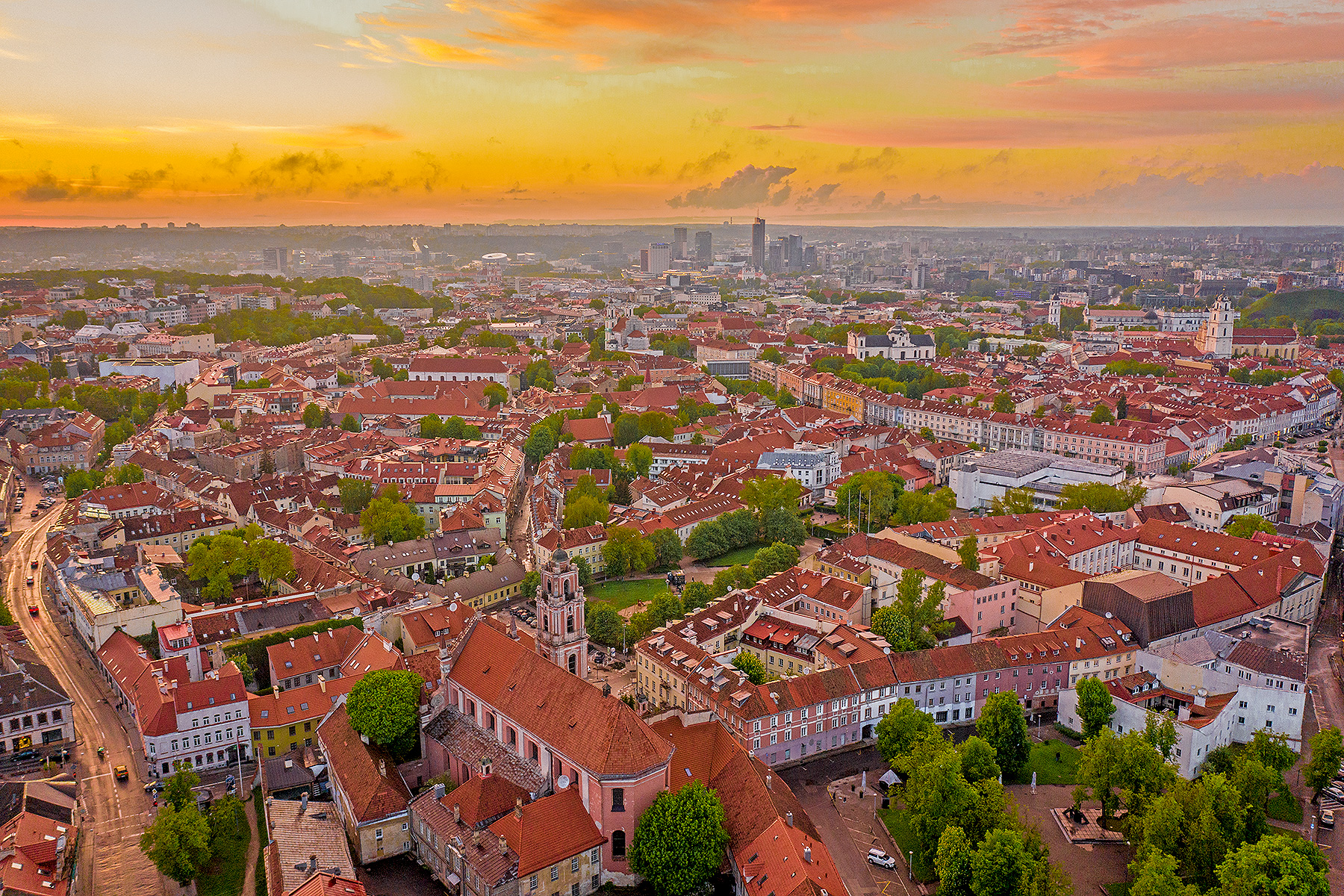
 LithuaniaBaroque Vilnius, island castles and towering sand dunes
 SwedenIsland cities, Lapland's northern lights and cosy fika
 BelarusFairytale castles, quiet forests and Soviet boulevards
 PolandHistoric old towns, mountain trails and hearty pierogi

 NorwayDeep fjords, northern lights and the midnight sun
 DenmarkCosy cafés, bike-friendly cities and Viking history