.jpg/1920px-Iwokrama_Rainforest,_Guyana_(12179378186).jpg)

.jpg/1920px-20191121_Guyana_0048_Georgetown_sRGB_(49295795336).jpg)
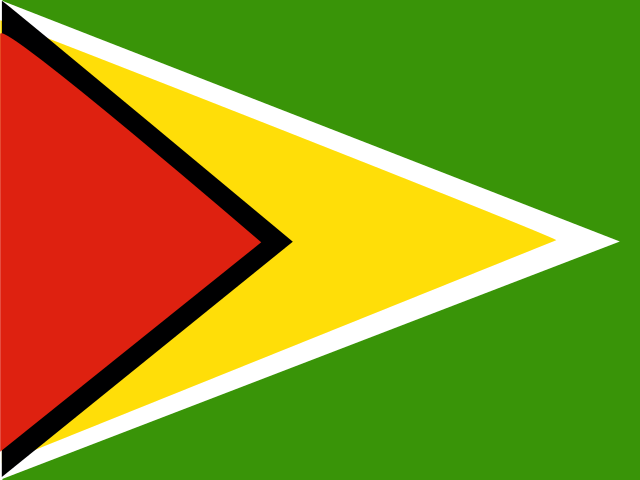
Guyana📸 Photo album · 4 photos · Ultra-HD
Giant waterfalls, wild savannahs and untouched rainforest
🕒 –:– local time6 stories this week3 sources 5 top placesCapital Georgetown
Guyana's name is often said to come from an Indigenous word meaning 'land of many waters', a fitting title for a country laced with mighty rivers. For thousands of years it was home to Indigenous peoples including the Arawak (Lokono), Carib (Kalina), Warao, Wapishana, Makushi and Patamona, who lived by farming, fishing and hunting across the coast, rainforests and savannahs. Their descendants, known in Guyana as Amerindians, still live in villages across the interior.
The Dutch established trading posts and plantations along the Essequibo, Berbice and Demerara rivers in the early seventeenth century. They built a remarkable system of dykes and canals to drain the swampy coast and grow sugar, worked by enslaved Africans. In 1763 an uprising in Berbice led by Coffy (Cuffy) became a landmark of resistance; he is now a national hero. After changing hands several times, the colonies passed to Britain and were united as British Guiana in 1831. Slavery ended in the 1830s, and planters then brought indentured labourers from India, along with smaller numbers from Portugal (Madeira) and China.
These waves of migration created Guyana's diverse society. In the twentieth century labour movements and political parties grew, led by figures such as Cheddi Jagan and Forbes Burnham. British Guiana became independent as Guyana in 1966 and a republic in 1970. Decades of political and economic challenges followed, but since large offshore oil discoveries in 2015 the economy has grown dramatically.
Today Guyana remains one of the least-visited countries in South America, and that is its great appeal. It is the only English-speaking nation on the continent and feels culturally Caribbean. Travellers can explore Georgetown's wooden colonial architecture, stay in Amerindian-run eco-lodges in the Rupununi, and see some of the world's most pristine rainforest and the majestic Kaieteur Falls.
Entry rules depend on your passport and change often.
Before you book, check the official rules for your passport:
The latest visa and entry news for Guyana appears below as soon as publishers report it.
Kosovo and Guyana have joined Saudi Arabia’s tourist visa program, with eVisa and visa-on-arrival routes available. Travelers still need a Saudi visitor...
 #Saudi Arabia#Kosovo#e-Visa#Visas & Entry Rules
Guyana Aligns With France As Trans Guyana Airways Prepares Direct Georgetown–Cayenne Flights To Boost Tourism Growth Guyana and France advance direct Georgetown–Cayenne flights, cutting travel time while boosting tourism, trade…
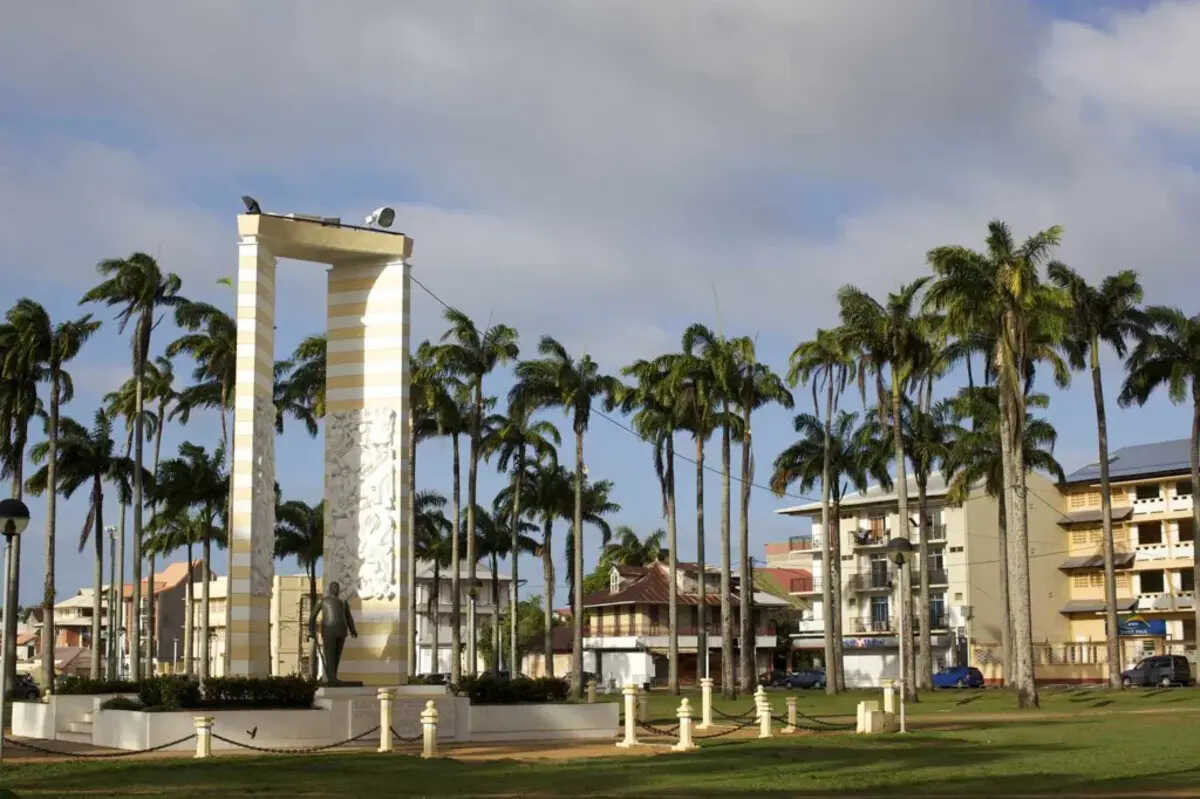 #Guyana#France#Georgetown#Cayenne
Guyana Hosts Historic SOTIC 2026 as Regional Leaders Rally to Redefine Sustainable Caribbean Tourism SOTIC 2026 Guyana unites Caribbean leaders to pioneer sustainable, smart, and inclusive regional tourism.
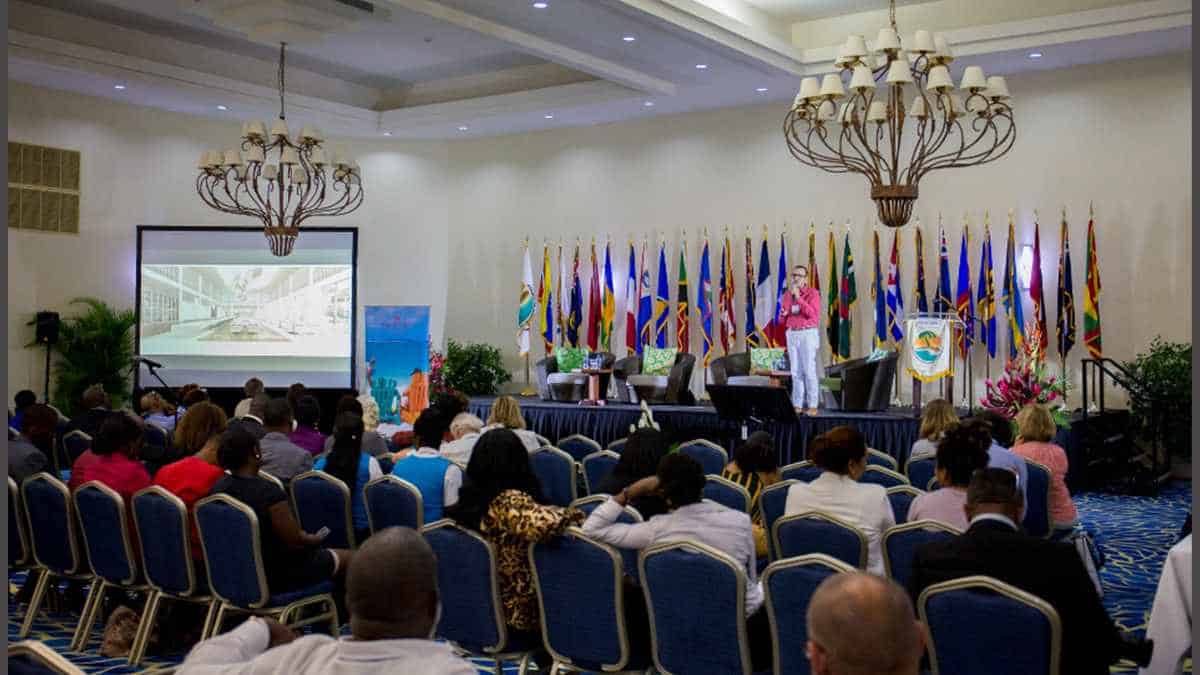 #Guyana
New Visa Access Opens Easier Tourism and Umrah Travel for Guyanese Guyanese travellers can now access Saudi eVisa and visa-on-arrival facilities without first holding a US, UK or Schengen visa.
 #Saudi Arabia#Guyana#Schengen#e-Visa
Guyana Welcomes CTO Secretary-General Ahead of SOTIC 2026 to Strengthen Caribbean Tourism Growth Guyana welcomes CTO Secretary-General Dona Regis-Prosper ahead of SOTIC 2026, uniting Caribbean tourism leaders for collaboration…
 #Guyana
Reconsider travel to Guyana due to crime . Violent crime is common, especially at night. Crimes include murder and armed robbery. Local police often lack the resources to respond effectively to serious criminal incidents.…
#Guyana#Visas & Entry RulesGuyana is hot and humid all year, with daytime highs around 29–32 °C on the coast. The coast has two rainy seasons, while the southern Rupununi savannahs have one long wet season from about May to August.
Typical daytime highs and rain in Georgetown (approximate averages).
Day 1-2: explore Georgetown's architecture, markets and seawall. Day 3: day flight to Kaieteur Falls. Day 4-5: an Essequibo River trip or a stay at a rainforest lodge.
Day 1-2: Georgetown. Day 3: Kaieteur Falls. Day 4-6: Iwokrama Forest and its canopy walkway. Day 7-11: Rupununi lodges and ranches for wildlife and river trips. Day 12: fly back to Georgetown.
Backpacker budget: about $50–80 a day
Emergency: 911 police · 912 fire · 913 ambulance
Cheddi Jagan International Airport (GEO) near Georgetown handles most international flights, with connections to the Caribbean, North America and nearby South American countries. Land crossings link Guyana with Brazil at Lethem and Suriname via the Corentyne River ferry.
✈️ Cheap flights to Guyana: airports, flight times & best time to fly →
Guyana's interior and eco-lodges are generally safe, but Georgetown has a high level of street crime. Use taxis at night, keep valuables hidden and check your government's latest travel advice.
September to November and February to April are the driest periods. Avoid the heavy rains of May to July if you plan to travel overland.
Four or five days covers Georgetown and Kaieteur Falls. Ten days to two weeks lets you explore the rainforest and Rupununi properly.
It depends on your passport – many nationalities can visit without a visa, but some need one. Check the official Guyanese government site or embassy before you travel.
English is the official language, and Guyanese Creole is widely spoken day to day. Several Amerindian languages are spoken in the interior.
Approximate daily cost per person (stay, food, local transport).
Small planes reach Kaieteur and the interior; minibuses and taxis serve Georgetown and the coast. Roads to the interior are rough.
Nothing in this tab yet – the agents add new stories every few minutes.
🌏 You reached the start of our archive.

 SurinameDutch colonial charm, rainforest rivers and many cultures
 French GuianaRainforest, rocket launches and French-Creole culture
 Trinidad and TobagoCarnival, steelpan music and rainforest birdlife
 GrenadaThe Spice Isle of nutmeg, rainforest and white-sand bays
.JPG/500px-Sur_de_M%C3%A9rida_(Venezuela).JPG)
 VenezuelaThe world's tallest waterfall, tabletop mountains and Caribbean isles
 BarbadosCalm west coast beaches, rum shops and island rhythms
 Saint Vincent and the GrenadinesA volcano island and a string of sailing-paradise isles
 Saint LuciaTwin Pitons, rainforest and volcanic hot springs