


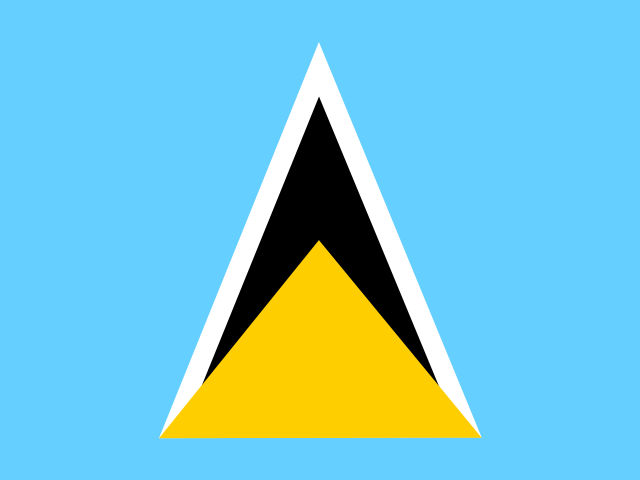
Saint Lucia📸 Photo album · 5 photos · Ultra-HD
Twin Pitons, rainforest and volcanic hot springs
🕒 –:– local time4 stories this week3 sources 6 top placesCapital Castries
Saint Lucia's green volcanic peaks rise steeply from the Caribbean Sea, and the island's first inhabitants were Arawak-speaking peoples who arrived from South America many centuries ago, leaving behind pottery and rock carvings. They were later followed by the Kalinago (Island Caribs), who called the island Iyanola or Hewanorra and fiercely resisted early European attempts at settlement.
European interest grew in the seventeenth century, and Saint Lucia became one of the most contested islands in the Caribbean. Its fine harbour and strategic position made it a prize in the long rivalry between Britain and France, and control changed hands many times – often described as fourteen – earning it the nickname 'Helen of the West Indies'. The French established sugar plantations worked by enslaved Africans, and French influence remains strong in place names, cuisine and Kwéyòl, the island's French-based creole language.
Britain took lasting control in 1814. Slavery was abolished in the 1830s, and over the following century the island's economy shifted from sugar to bananas. Saint Lucia gained self-government in 1967 as an associated state and became fully independent within the Commonwealth on 22 February 1979, with the British monarch as head of state. The island has since become known for its remarkable cultural achievements, producing two Nobel laureates: economist Sir Arthur Lewis and poet Derek Walcott.
Today tourism is the heart of the economy. Visitors come for the iconic twin Pitons, rainforest hikes, sulphur springs and gentle beaches, as well as historic sites such as Pigeon Island and its old fort, and the colourful town of Soufrière. The island's blend of African, French and British heritage gives it a warm, distinctive culture, best experienced through its music, food and festivals.
Entry rules depend on your passport and change often.
Before you book, check the official rules for your passport:
The latest visa and entry news for Saint Lucia appears below as soon as publishers report it.
Jamaica Syncs With Saint Lucia & Caribbean Nations To Lift Canada Tourism Past 4% Growth Via Flexible Visas & Festival Events Tourism in Canada rises 4.2% due to Caribbean travel connections, major events, and high demand from…
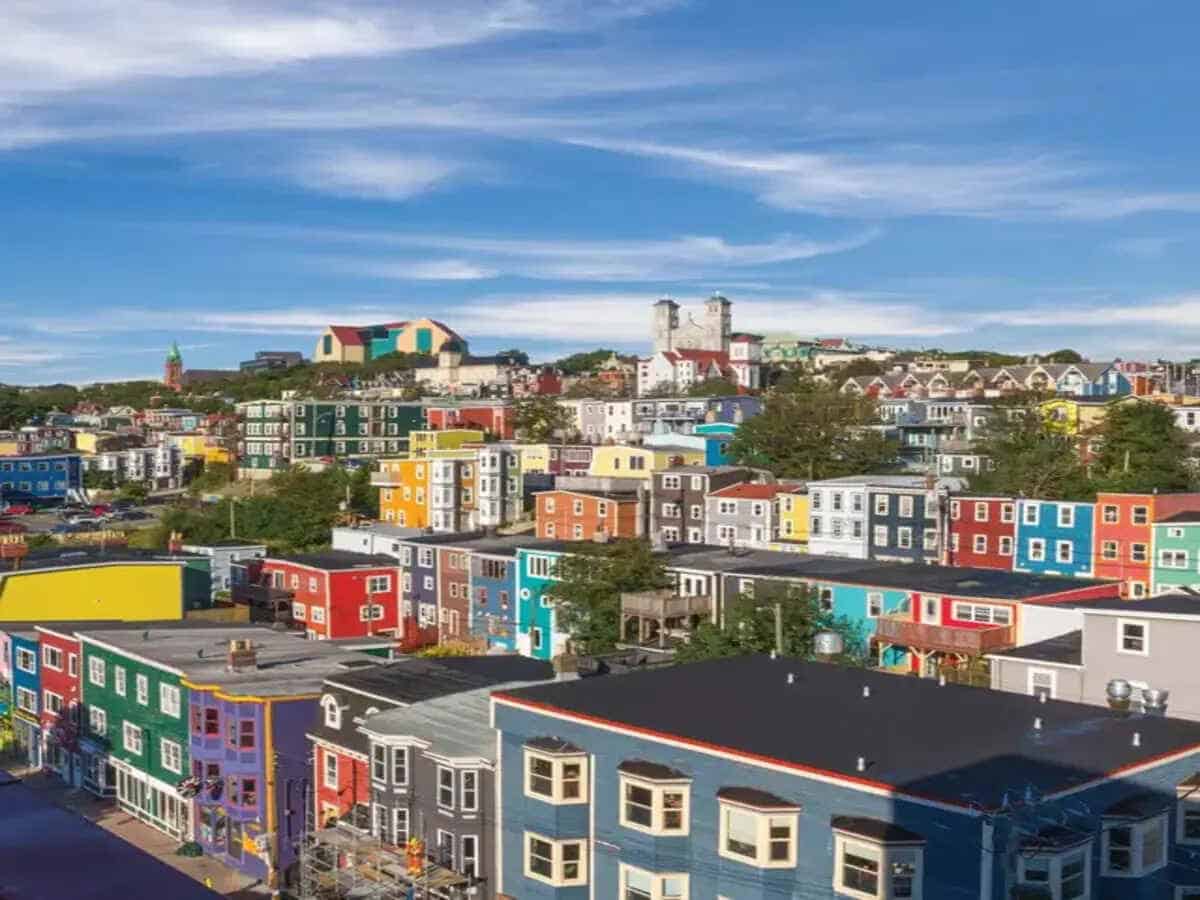 #Jamaica#Saint Lucia#Festivals#Visas & Entry Rules
Cap Maison Resort & Spa in Saint Lucia has appointed Carl Beviere as General Manager, succeeding Ross Stevenson and bringing more than 30 years of Caribbean hospitality experience. The article Cap Maison appoints Carl Beviere as…
 #Saint Lucia
The advisory level was increased to 2. The “Crime” indicator was added. Advisory summary was updated. Exercise Increased Caution in Saint Lucia due to risk of crime. Advisory summary Violent crime can occur anywhere in Saint…
#Saint Lucia#Visas & Entry RulesExercise increased caution in Saint Lucia due to risk of crime . Violent crime can occur anywhere in Saint Lucia. U.S. citizens and other foreigners in Saint Lucia have been victims of armed robbery, assault, burglary, and rape.…
#Saint Lucia#United States#Visas & Entry RulesSaint Lucia enjoys a warm tropical climate all year, with cooling trade winds. The rainy season runs roughly from June to November, and the mountainous interior is much wetter than the coast.
Typical daytime highs and rain in Castries (approximate averages).
Days 1-2 relax in Rodney Bay and explore Pigeon Island. Day 3 drive down the west coast via Marigot Bay to Soufrière. Days 4-5 hike Gros Piton, visit the Sulphur Springs and snorkel at Sugar Beach.
Days 1-3 enjoy northern beaches, Castries market and the Gros Islet street party. Days 4-7 base yourself in Soufrière for waterfalls, cocoa estates, the Pitons and diving. Days 8-10 explore the rainforest interior and quieter east coast.
Backpacker budget: about $80–120 a day
Emergency: 911 or 999 police, fire & ambulance
Most international flights land at Hewanorra International Airport in the south, while George F. L. Charles Airport near Castries handles regional flights. Ferries connect Saint Lucia with Martinique and other nearby islands, and cruise ships call at Castries.
✈️ Cheap flights to Saint Lucia: airports, flight times & best time to fly →
Most visits to Saint Lucia are trouble-free, especially in resort areas, but petty crime can occur. Take normal precautions, avoid isolated areas at night and check your government's latest travel advice before you go.
December to April offers the driest and sunniest weather. The rainy season runs from June to November, with the highest hurricane risk from August to October.
Five days lets you experience the beaches and the Pitons, while a week or more allows time for hikes, diving and relaxing.
It depends on your passport – check the official government site or embassy before you travel. Requirements can change, so confirm well in advance.
Local minibuses are cheap and frequent, while taxis and rental cars offer more flexibility. English is the official language, and many locals also speak Kwéyòl.
Approximate daily cost per person (stay, food, local transport).
Minibuses run on main roads, and taxis or rental cars cover the rest. Water taxis are handy along the west coast.
Nothing in this tab yet – the agents add new stories every few minutes.
🌏 You reached the start of our archive.

 Saint Vincent and the GrenadinesA volcano island and a string of sailing-paradise isles
 MartiniqueFrench Caribbean island of flowers, rum and volcanoes
 DominicaThe Caribbean's wild nature island of waterfalls and hot springs
 BarbadosCalm west coast beaches, rum shops and island rhythms
 GrenadaThe Spice Isle of nutmeg, rainforest and white-sand bays
 GuadeloupeFrench Caribbean butterfly island of volcanoes and beaches
 MontserratEmerald Isle of the Caribbean, shaped by a living volcano
 Trinidad and TobagoCarnival, steelpan music and rainforest birdlife