Sri Lanka's story stretches back thousands of years. Chronicles describe the arrival of Prince Vijaya from northern India around the 5th century BC, and by the 3rd century BC the kingdom of Anuradhapura had embraced Buddhism, brought by missionaries sent by the Indian emperor Ashoka. Over the next millennium, kings built vast irrigation reservoirs, towering dagobas and monasteries, while Tamil kingdoms flourished in the north and the island traded spices, gems and elephants across the Indian Ocean.
After Anuradhapura, power shifted to Polonnaruwa, where King Parakramabahu I raised grand palaces and lakes in the 12th century, and later to a series of smaller kingdoms. The 5th-century rock fortress of Sigiriya, crowned by a palace and adorned with frescoes, remains the most dramatic relic of this golden age. Arab traders knew the island as Serendib, and its cinnamon drew the attention of European powers.
Read the full history
The Portuguese arrived in 1505 and seized coastal areas, followed by the Dutch in the mid-1600s, who left behind forts and canals. The British took over in 1796 and, after capturing the mountain kingdom of Kandy in 1815, ruled the entire island as Ceylon. They introduced coffee and then tea plantations in the hills, bringing Tamil workers from southern India. Ceylon gained independence peacefully in 1948 and became the Republic of Sri Lanka in 1972. The decades that followed were marked by a long civil conflict that ended in 2009, and the country has since focused on rebuilding and tourism.
Today visitors can explore a remarkable concentration of heritage in the Cultural Triangle, ride slow trains through emerald tea estates, watch elephants gather in national parks and relax on palm-fringed beaches, all within a compact island. Buddhist, Hindu, Muslim and Christian traditions live side by side, and the warm hospitality and spicy rice-and-curry are memories most travellers carry home.
Timeline
c. 500 BCTraditional arrival of Prince Vijaya and the Sinhalese
3rd century BCBuddhism introduced in the Anuradhapura kingdom
5th century ADKing Kashyapa builds the Sigiriya rock fortress
1505Portuguese arrive on the west coast
1658Dutch take control of the coastal regions
1815British capture Kandy and rule the whole island as Ceylon
1948Ceylon gains independence
1972Country renamed the Republic of Sri Lanka
Sri Lanka🛂 Visa & entry
Entry rules depend on your passport and change often.
Commonwealth – Commonwealth member.
Before you book, check the official rules for your passport:
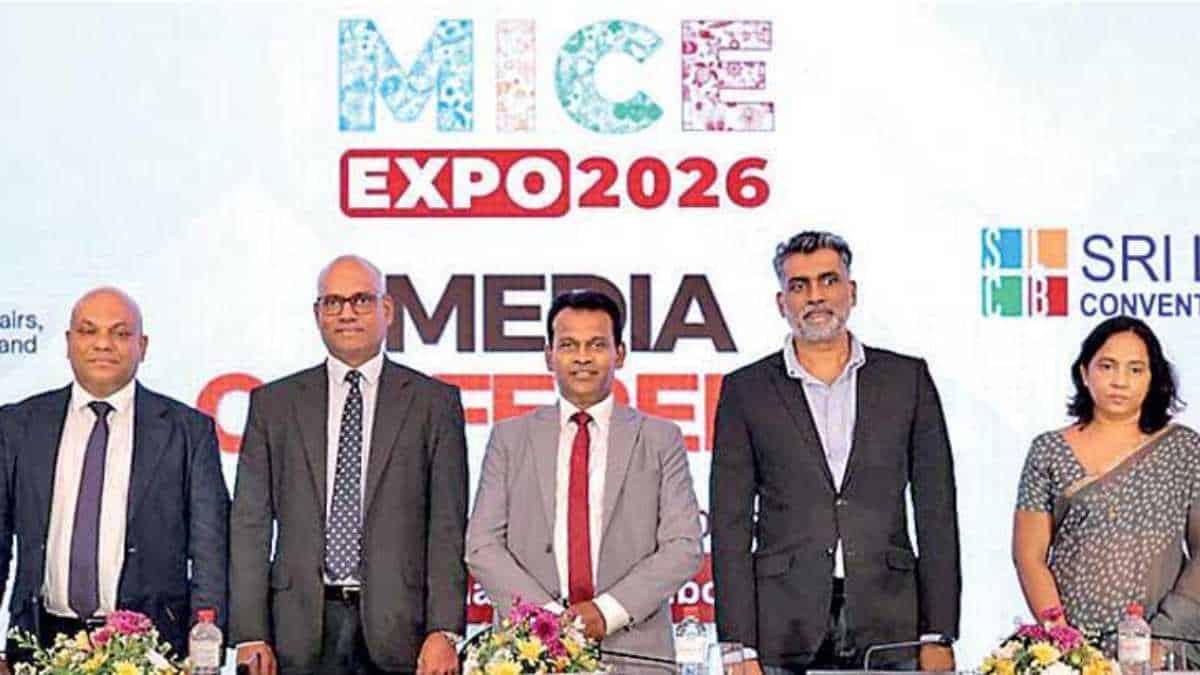
Sri Lanka’s MICE Tourism Boom Takes Off as Southern Expo Colombo Draws Global Buyers and Fuels South Asia’s Corporate Travel Surge Southern MICE Expo Colombo opens today as Sri Lanka welcomes top global buyers to propel business…
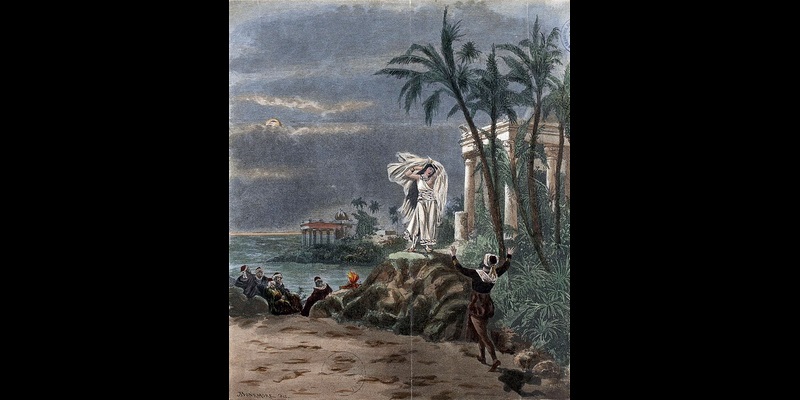
163 years ago, George Bizet’s famous opera Les Pêcheurs de Perles, The Pearl Fishermen, debuted at the Théâtre Lyrique in Paris. Set in ancient times on the Island of Sri Lanka, it tells the story of how two men’s vow of eternal…
KandyHill country · cultureThe last royal capital, set around a lake, with the Temple of the Tooth and lush botanical gardens nearby.
SigiriyaCultural Triangle · ancient siteA spectacular rock fortress and the perfect base for exploring nearby Dambulla's cave temples.
📍
AnuradhapuraNorth-central · ancient cityVast dagobas, monasteries and a sacred Bodhi tree spread across one of South Asia's oldest cities.
📍
PolonnaruwaCultural Triangle · ruinsEasy to explore by bike, with beautifully preserved palaces and the serene Gal Vihara Buddha statues.
EllaHill country · hikingA backpacker-favourite mountain village with the Nine Arch Bridge, Little Adam's Peak and tea-country views.
GalleSouth coast · colonial townA UNESCO-listed fort town packed with cafes, galleries and old streets inside sea-facing walls.
Yala National ParkSoutheast · wildlifeOne of the best places in Asia to spot leopards, alongside elephants and abundant birdlife.
📍
TrincomaleeEast coast · beachesA natural harbour with white-sand beaches, Hindu temples and snorkelling at Pigeon Island.
Sri Lanka✨ Must-do experiences
Ride the hill-country train from Kandy to Ella
Go on a leopard safari in Yala
Visit a tea plantation and factory
Watch blue whales off Mirissa
Sri Lanka🍽️ Taste of Sri Lanka
Rice and curry – rice with many small curries and sambols
Hoppers – bowl-shaped crispy pancakes, often with an egg
Kottu roti – chopped flatbread stir-fried with vegetables and meat
Ceylon tea – world-famous black tea from the hills
Sri Lanka🌦️ Weather & best time to visit Sri Lanka
Best time to visit Sri Lanka
Sri Lanka has two monsoons that hit different sides of the island at different times, so there is almost always a sunny coast somewhere. The lowlands are hot year-round, while the hill country around Nuwara Eliya is noticeably cooler.
BestDecember to March – dry and sunny on the west and south coasts and in the hill country, ideal for beaches and sightseeing.
ShoulderApril and September to November – warmer or more changeable weather but fewer crowds; the east coast is at its best from May to September.
AvoidNo bad time – but May to July brings the southwest monsoon to the west and south coasts, and October to January is wetter in the north and east.
31°💧Jan
31°💧Feb
32°💧Mar
32°💧💧Apr
31°💧💧💧May
30°💧💧Jun
30°💧Jul
30°💧Aug
30°💧💧Sep
30°💧💧💧Oct
30°💧💧💧Nov
30°💧💧Dec
Typical daytime highs and rain in Colombo (approximate averages).
Sri Lanka🎉 Festivals & events in Sri Lanka
July/August
Kandy Esala PeraheraNights of torch-lit processions with decorated elephants, dancers and drummers honouring the sacred tooth relic.
April
Sinhala and Tamil New YearFamilies mark the new year with games, special sweets and auspicious rituals timed to the stars.
May
VesakBuddhists celebrate the birth, enlightenment and passing of the Buddha with lanterns, light displays and free food stalls.
Monthly (full moon)
Poya daysEach full moon is a public holiday for worship at temples, and alcohol sales are usually suspended.
July/August
Nallur FestivalJaffna's great Hindu temple holds weeks of colourful processions and ceremonies.
Sri Lanka🧭 Sri Lanka itinerary ideas
How many days in Sri Lanka?
7 daysClassic 7 days
Days 1-3 explore the Cultural Triangle: Sigiriya, Dambulla and Polonnaruwa. Day 4 is for Kandy, then Days 5-6 ride the train to Ella for hikes and tea views. Day 7 heads down to Galle or a south-coast beach.
14 daysGrand island loop 14 days
Days 1-5 combine Anuradhapura, Sigiriya, Polonnaruwa and Kandy. Days 6-9 take in Nuwara Eliya, the scenic train and Ella, then Days 10-11 bring a Yala safari. Days 12-14 are for whale watching at Mirissa and wandering Galle Fort.
Sri Lanka🎒 Backpacking Sri Lanka – tips & hacks
Backpacker budget: about $25–40 a day
Local buses and trains are extremely cheap; book reserved seats on popular hill-country trains early or take unreserved carriages for the experience.
Ella, Mirissa, Hikkaduwa, Arugam Bay and Kandy have the most hostels and guesthouses for budget travellers.
Eat rice and curry at local 'hotels' (small eateries) for a filling, cheap lunch, and try kottu roti in the evening.
Tuk-tuks are handy, but agree the fare first or use a ride-hailing app in cities.
Share a jeep with other travellers to cut the cost of safaris.
Sri Lanka🛡️ Safety & money in Sri Lanka
Stay safe
Sri Lanka is generally safe, but watch for touts and gem scams, especially around Kandy and Colombo.
Swim only at patrolled or sheltered beaches – rip currents are strong, particularly during the monsoon.
Dress modestly at temples, remove shoes and hats, and never pose with your back to a Buddha statue.
Roads can be chaotic; take care crossing and choose reputable drivers for long trips.
Money
The currency is the Sri Lankan rupee; ATMs are widely available in towns, but carry cash for rural areas and small shops.
Cards are accepted at larger hotels and restaurants, often with a surcharge.
A service charge is often added to bills; small tips for drivers, guides and safari trackers are appreciated.
Emergency: 119 police · 1990 ambulance · 110 fire
Sri Lanka🛬 Getting to Sri Lanka
Most visitors fly into Bandaranaike International Airport near Colombo, which has connections across Asia, the Gulf and Europe. A smaller international airport at Mattala serves the south, and there are no land borders.
Sri Lanka elected the world's first female prime minister, Sirimavo Bandaranaike, in 1960.
Ceylon tea is still one of the island's biggest exports, and the name 'Ceylon' remains a tea brand worldwide.
The sacred Bodhi tree in Anuradhapura is said to be grown from a cutting of the tree under which the Buddha attained enlightenment, making it one of the oldest human-planted trees on record.
Shaking your head from side to side often means 'yes' or 'okay' in Sri Lanka.
The word 'serendipity' comes from Serendip, an old name for the island.
Sri Lanka❓ Sri Lanka travel FAQ
Sri Lanka travel questions
Is Sri Lanka safe for tourists?
Sri Lanka is generally safe and very welcoming to travellers. Use common sense with touts and scams, be careful on the roads and at the beach, and check your government's latest travel advice before you go.
What is the best time to visit Sri Lanka?
December to March is best for the west, south and hill country, while May to September suits the east coast. Thanks to the two monsoons, some part of the island is usually dry.
How many days do you need in Sri Lanka?
Ten to fourteen days lets you see the Cultural Triangle, hill country, a safari and the beaches without rushing. A week covers the highlights at a quicker pace.
Do I need a visa for Sri Lanka?
It depends on your passport – check the official government site or your nearest embassy before you travel, as entry rules can change.
What food should I try in Sri Lanka?
Don't miss rice and curry, hoppers (bowl-shaped pancakes), kottu roti and fresh seafood. Food can be spicy, so ask for mild if needed.
Sri Lanka💰 What a trip costs
$price level
$25–40backpacker / day
$70–130mid-range / day
Approximate daily cost per person (stay, food, local transport).
Sri Lanka🚌 Getting around
Trains and cheap buses connect most towns, and tuk-tuks are everywhere for short trips. Many visitors hire a car with a driver.
Sri Lanka🛕 Sacred & spiritual places
Temple of the Sacred Tooth Relic – Kandy temple holding a revered tooth relic of the Buddha
Adam's Peak (Sri Pada) – Holy mountain climbed at night for sunrise, sacred to several faiths
Dambulla Cave Temple – Cave temples filled with ancient Buddha statues and paintings
Sri Lanka🤝 Local etiquette
Remove shoes and hats and cover shoulders and knees at temples
Never pose with your back to a Buddha statue for photos
Use your right hand for eating and giving things
Nothing in this tab yet – the agents add new stories every few minutes.
📰 Older Sri Lanka stories Everything our agents ever found – keeps loading as you scroll

.jpeg/1920px-Sigiriya_(141688197).jpeg)


.jpg/1920px-Mirissa-Plage_(3).jpg)
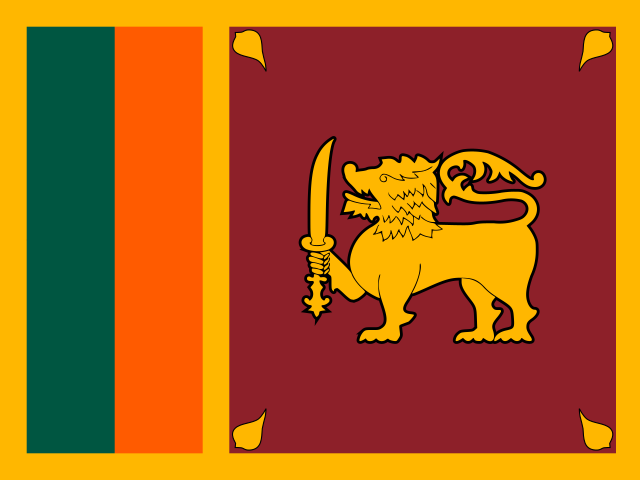
 Sri Lanka
 #Sri Lanka
 #Norway#Sri Lanka#Destinations
 #France#Sri Lanka#Inspiring & Scenic
,_Maldives_14.jpg/500px-Flora_of_Maafushi_(Kaafu_Atoll),_Maldives_14.jpg)

 MaldivesTurquoise lagoons, coral atolls and overwater villas
_-_img_01.jpg/500px-East_facade_Hawa_Mahal_Jaipur_from_ground_level_(July_2022)_-_img_01.jpg)

 IndiaPalaces, spice markets, Himalayan peaks and palm-lined beaches
 BangladeshRivers, mangrove forests and the world's longest beach
 MyanmarGolden pagodas, temple plains and calm lakes
 NepalHimalayan treks, ancient temples and jungle safaris

 ThailandGolden temples, island beaches and world-famous food
 MalaysiaRainforests, island beaches and a mix of food cultures
 BhutanHimalayan kingdom of fortress monasteries and prayer flags