


Nepal📸 Photo album · 9 photos · Ultra-HD
 Everest
 Lumbini
Himalayan treks, ancient temples and jungle safaris
🕒 –:– local time2 stories this week2 sources 6 top placesCapital Kathmandu
Nepal's valleys and foothills have been home to many peoples since ancient times, and early chronicles describe the Kirat as some of the first rulers of the Kathmandu Valley. Siddhartha Gautama, who became the Buddha, was born at Lumbini in the plains of southern Nepal around the 6th or 5th century BC, and the site is now a major place of pilgrimage. From around the 4th century AD the Licchavi dynasty ruled the valley, leaving inscriptions, temples and the foundations of a refined culture blending Hindu and Buddhist traditions.
Under the Malla kings, who ruled from roughly the 12th to the 18th century, the valley's three city-states – Kathmandu, Patan and Bhaktapur – competed to build ever more splendid palaces, pagoda temples and courtyards. The Newar artisans of this era created the woodcarving, metalwork and architecture visitors admire today. In 1768 Prithvi Narayan Shah of Gorkha conquered the valley and unified the many small kingdoms into a single state.
Nepal expanded until a war with the British East India Company ended with the Treaty of Sugauli in 1816, which fixed much of its modern shape. From 1846 the Rana family ruled as hereditary prime ministers and kept the country largely closed to outsiders. After their fall in 1951, Nepal opened up, and in 1953 Tenzing Norgay and Edmund Hillary made the first ascent of Everest. A multiparty system arrived in 1990, followed by a decade-long internal conflict that ended with a peace agreement in 2006. The monarchy was abolished in 2008, and a new federal constitution was adopted in 2015.
Today Nepal is one of the world's great trekking and mountaineering destinations, home to eight of the fourteen highest peaks. Beyond the mountains, travellers find medieval squares, prayer-flag-strewn stupas, jungle wildlife in Chitwan and a warm, welcoming culture where Hindu and Buddhist traditions intertwine.
Entry rules depend on your passport and change often.
Before you book, check the official rules for your passport:
The latest visa and entry news for Nepal appears below as soon as publishers report it.
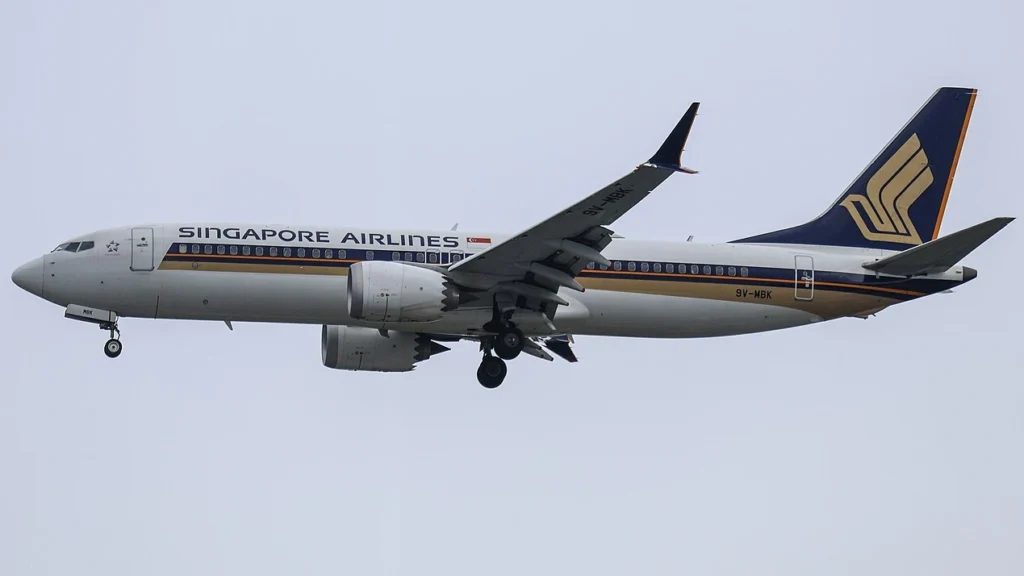
The airline expands its use of the aircraft on routes across Asia and Australia.
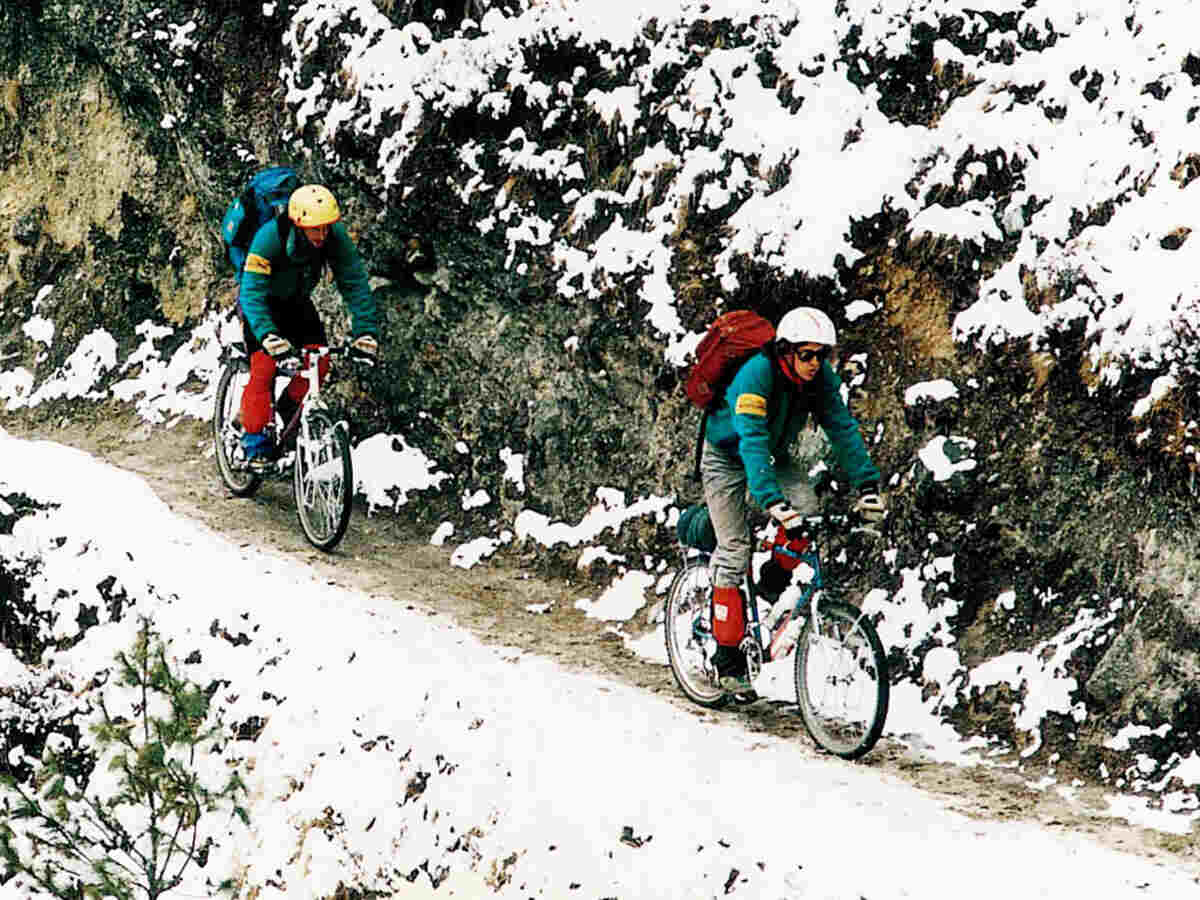
Nepal Powers Up Adventure Tourism Growth as Resunga’s Zipline and Sky Cycling Prepare for Regular Operations Nepal is gearing up to boost adventure tourism as Resunga's zipline and sky cycling are near launch after final testing.
 #Nepal
Exercise increased caution in Nepal due to natural disasters . Some areas have increased risk. Read the entire Travel Advisory. Nepal regularly experiences earthquakes, floods, and landslides. Earthquakes can happen suddenly with…
#Nepal#Travel advisory#Earthquakes#Visas & Entry RulesNepal's climate ranges from subtropical in the southern Terai to arctic at the highest peaks. Kathmandu is mild for much of the year, with warm, wet summers and cool, dry winters.
Typical daytime highs and rain in Kathmandu (approximate averages).
Days 1-3 explore Kathmandu, Patan and Bhaktapur. Days 4-5 travel to Pokhara for Sarangkot sunrise and the lakeside. Days 6-7 head to Chitwan for a jungle safari.
Days 1-2 explore Kathmandu, then fly to Lukla for days 3-13 trekking to Everest Base Camp with acclimatisation days. Days 14-16 recover with a trip to Bhaktapur or Pokhara.
Backpacker budget: about $20–35 a day
Emergency: 100 police · 101 fire · 102 ambulance
Tribhuvan International Airport in Kathmandu is the main gateway, with newer international airports at Pokhara and Bhairahawa; land borders connect with India at crossings such as Sunauli and with Tibet (China).
✈️ Cheap flights to Nepal: airports, flight times & best time to fly →
Nepal is generally safe and friendly for travellers. The main risks are altitude, road travel and natural hazards like landslides, so trek responsibly and get good insurance.
October to November and March to April are the best seasons for trekking and mountain views. The monsoon runs from June to September.
A week covers Kathmandu, Pokhara and Chitwan. Add 10-14 days for a major trek like Everest Base Camp or the Annapurna Circuit.
Many travellers can get a visa on arrival, but rules depend on your passport. Check the official government site or embassy before you travel.
Rules on guides and permits vary by region and have changed in recent years. Check the current requirements with official sources or a licensed trekking agency before you go.
Approximate daily cost per person (stay, food, local transport).
Tourist buses and domestic flights link the main areas, but mountain roads are slow. Taxis and ride-hailing apps work in Kathmandu and Pokhara.
Nothing in this tab yet – the agents add new stories every few minutes.
🌏 You reached the start of our archive.

 BhutanHimalayan kingdom of fortress monasteries and prayer flags
 BangladeshRivers, mangrove forests and the world's longest beach
_-_img_01.jpg/500px-East_facade_Hawa_Mahal_Jaipur_from_ground_level_(July_2022)_-_img_01.jpg)

 IndiaPalaces, spice markets, Himalayan peaks and palm-lined beaches
 MyanmarGolden pagodas, temple plains and calm lakes
.jpg/500px-Landscape_in_Balochistan_(Pakistan).jpg)
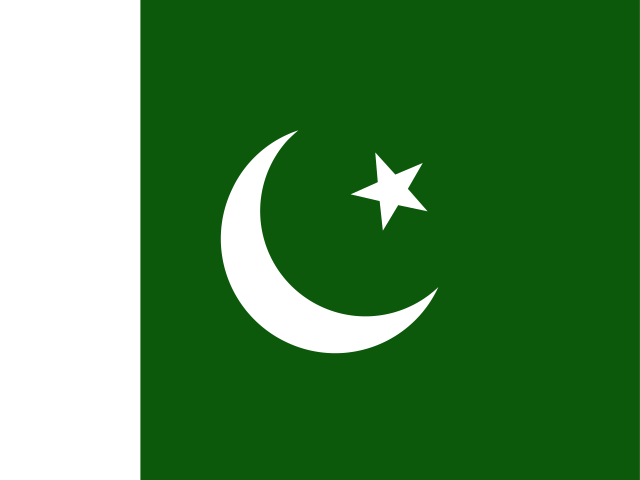 PakistanGiant peaks, Mughal cities and legendary hospitality
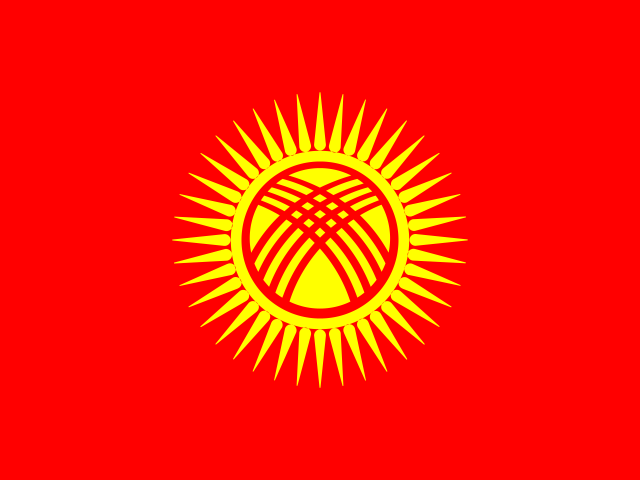 KyrgyzstanWild mountains, alpine lakes and nomad yurt camps
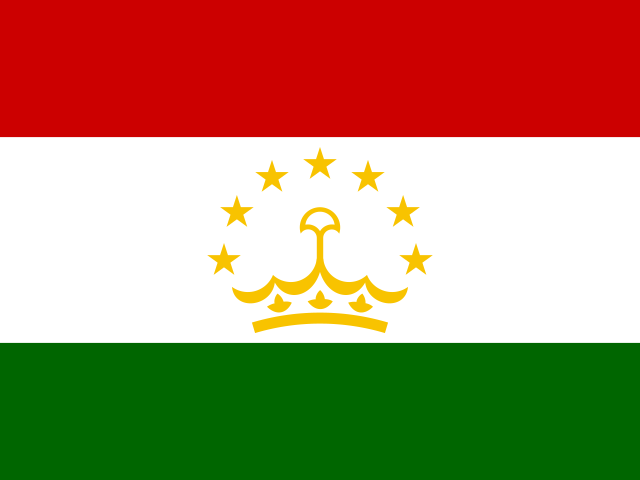 TajikistanRoof-of-the-world peaks and turquoise mountain lakes
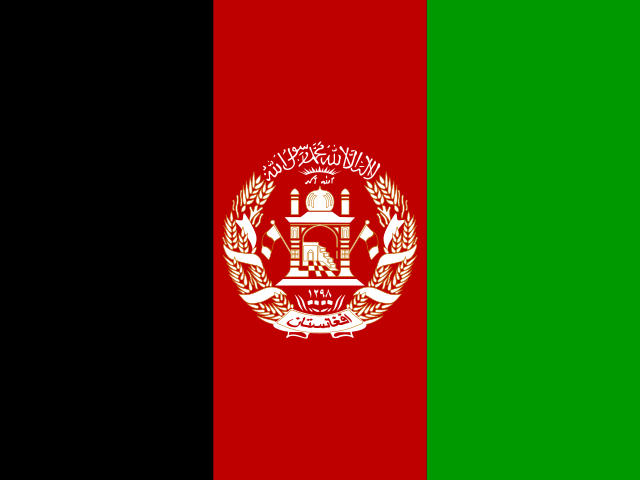 AfghanistanTurquoise mosques, mountain valleys and the Silk Road