


Singapore📸 Photo album · 9 photos · Ultra-HD
 Singapore
Garden city of hawker food, skyscrapers and culture
🕒 –:– local time12 stories this week9 sources 6 top placesCapital Singapore
Long before skyscrapers rose over Marina Bay, the island at the tip of the Malay Peninsula was a trading post known as Temasek. By the 14th century it sat at the crossroads of Malay, Javanese and Chinese sea lanes, and later chronicles tell of a prince who named it Singapura, the 'Lion City', after glimpsing a strange beast on the shore. Rival regional powers fought over the strait, and by the 1600s the settlement had faded into a quiet fishing village under the Johor Sultanate.
Everything changed in 1819, when Stamford Raffles of the British East India Company struck a deal with local rulers to open a free port. Merchants poured in from China, India, the Malay world, the Middle East and Europe, and the colonial town was laid out in ethnic quarters whose echoes survive in Chinatown, Kampong Glam and Little India. Singapore became part of the Straits Settlements and grew rich on rubber, tin and shipping, its harbour one of the busiest in the empire.
The Second World War brought a shock: Japanese forces captured the island in February 1942 and occupied it until 1945, ending the myth of British invincibility. After the war, calls for self-rule grew. Singapore gained internal self-government in 1959, joined the new Federation of Malaysia in 1963, and separated to become a fully independent republic on 9 August 1965. Under its first prime minister, Lee Kuan Yew, the young nation bet on trade, education, public housing and foreign investment, transforming itself within a generation into a global finance and logistics hub.
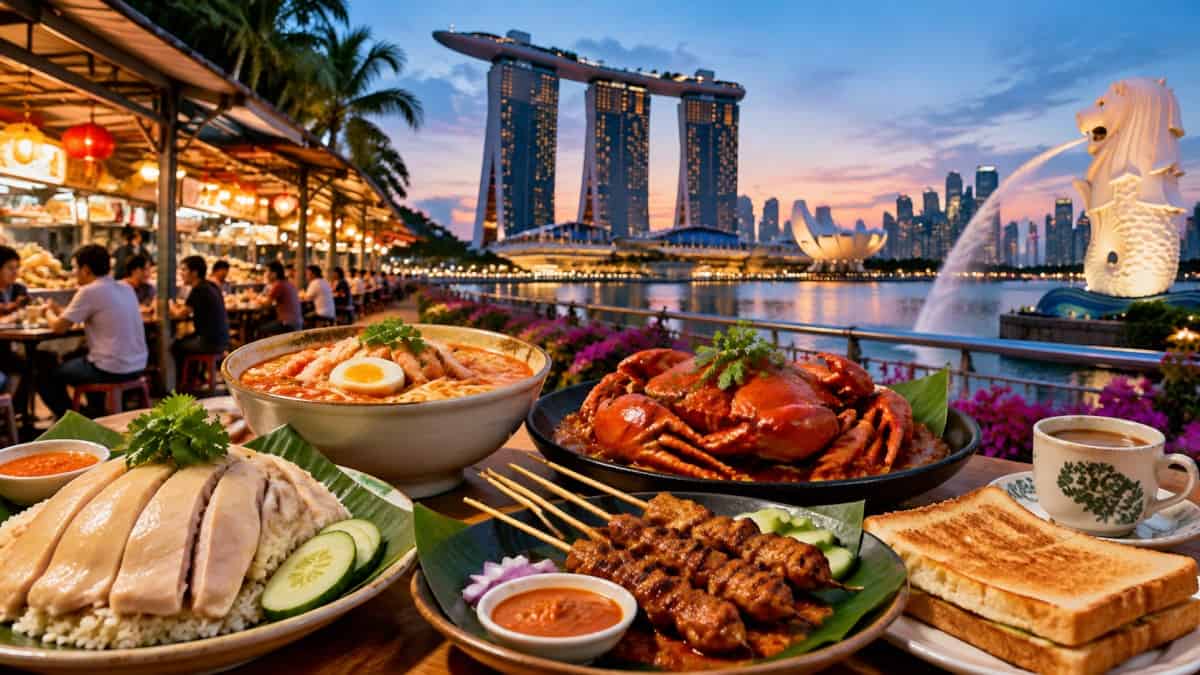
For visitors today, that layered story is everywhere. You can stroll past colonial landmarks along the Singapore River, eat your way through hawker centres where Chinese, Malay, Indian and Peranakan cooking sit side by side, visit temples, mosques and churches on the same street, and then step into futuristic gardens and rooftop bars. Few places pack so much culture, greenery and food into such a compact, easy-to-explore city.
Entry rules depend on your passport and change often.
Before you book, check the official rules for your passport:
The latest visa and entry news for Singapore appears below as soon as publishers report it.
The airline expands its use of the aircraft on routes across Asia and Australia.
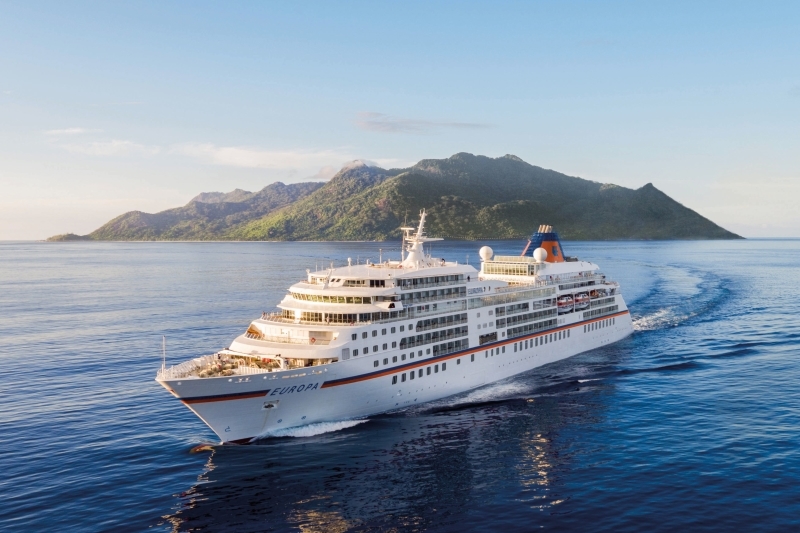
Hapag-Lloyd Cruises has announced that two of its ships, the Europa and Europa 2, will head into drydock next year. First up is the Europa 2, which is scheduled to enter drydock in Singapore in January 2027, followed by the…
 #Singapore#Cruises
Four deals across Singapore, Japan, and South Korea highlight active Asia Pacific hotel investment, including YTL/BlackRock's SGD330M Singapore acquisition and a JPY5.5B Okinawa resort purchase.
#Singapore#Japan#Hotels & StaysSingapore Ranks 13th Globally as Tourism Strength Meets Big Travel Costs Singapore ranks 13th globally as tourism strength meets rising travel costs! Discover luxury transit gains, high hospitality index rates, and city stays.
 #Singapore
Lobby AI and Crewfare won the People's Choice Awards at the WiT Singapore Global Startup Pitch, and will present at The Phocuswright Conference in Fort Lauderdale in November.
#Singapore#Hotels & StaysSingapore and More Countries are Redefining Asian Travel Through Shorter, Higher-Spend Getaways Discover how rapid transit, tax incentives, and short stays redefine Asian travel economics to boost yields.
 #Singapore
Vietnamese students and families are weighing Singapore and Hong Kong as alternatives to the United States amid rising tuition and uncertainty about visas...
 #Vietnam#Singapore#Visas & Entry Rules
Singapore and More Attract Cruise Travellers as Disney Adventure and Other Expand Asian Sailings Singapore attracts cruise travellers as Disney Adventure and other cruise lines expand Asian sailings, offering more regional…
 #Singapore#Cruises
Singapore Expands Business Travel Ambitions With New MICE Hub, Marina Bay Sands and Luxury Experiences Singapore is strengthening its business travel position through major MICE investments, expanded convention capacity, wellness…
 #Singapore#Marina Bay
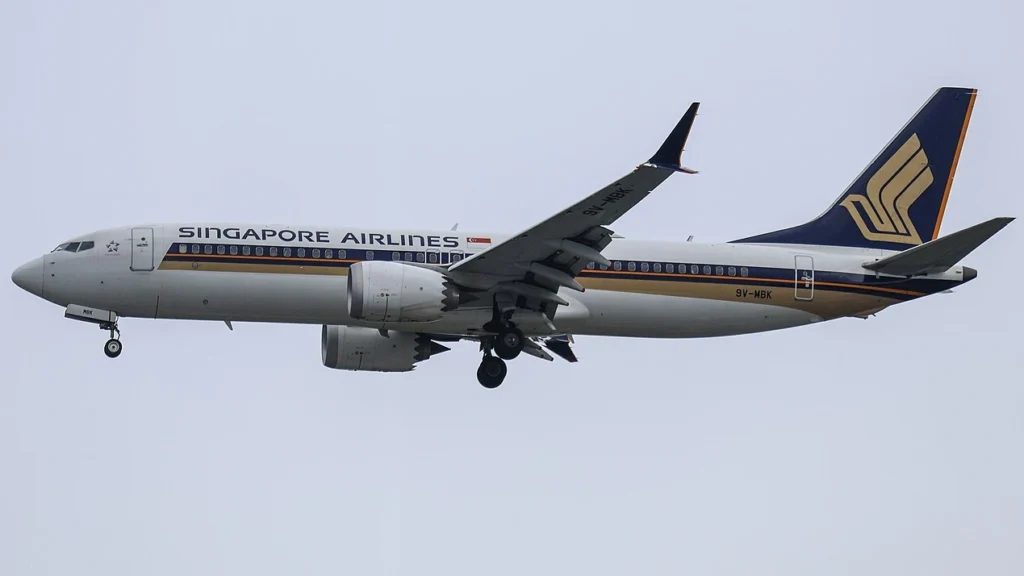
Singapore Airlines (SQ) is expanding the role of its Boeing 737-8 MAX aircraft across its regional network during the Northern Winter 2026/27 schedule.
#Singapore#Singapore Airlines#Boeing#Flights & Airlines
Singapore is hot and humid all year, with daytime highs around 30–32°C and frequent tropical downpours that usually pass quickly. As a small island it has no real regional differences, so the main variation is between the wetter northeast monsoon and the slightly drier months.
Typical daytime highs and rain in Singapore (approximate averages).
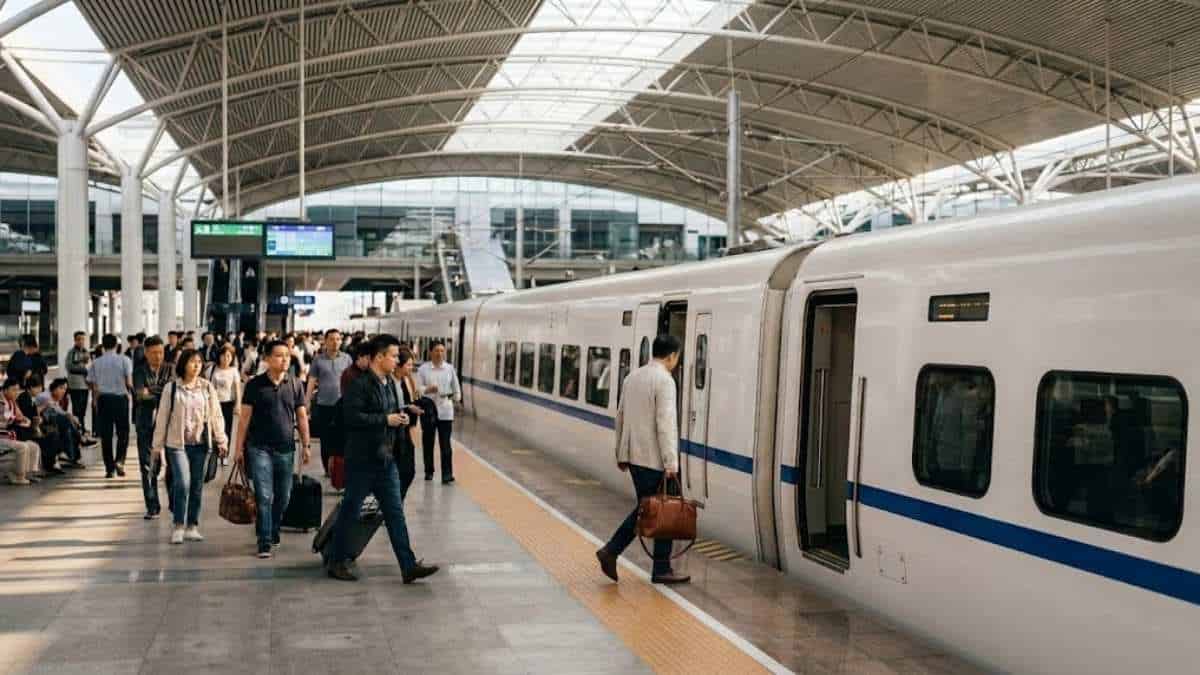
A writer takes a weeklong journey, from the island city-state to the Thai capital, in the final days of a historic rail connection.
#Singapore#Thailand#BangkokReading Time: 2 minutes Worldwide: Luxury brand NoMad Hotels has appointed three general managers across its properties in Detroit, London and Singapore.
 #United Kingdom#Singapore#Hotels & Stays
Singapore Airlines (SIA) announced it is introducing more than 100 new and refreshed dishes across all cabin classes,…
 #Singapore#Singapore Airlines#Flights & Airlines
In November Singapore Airlines will reveal its next-generation cabins, from First Class to economy. The seats will debut on refurbished A350s first before factory-fresh deliveries of the Boeing 777X. This is the first cabin…
 #Singapore#Singapore Airlines#Boeing#First class
Day 1 covers Marina Bay, Gardens by the Bay and a riverside evening. Day 2 explores Chinatown, Little India and Kampong Glam with hawker meals in between. Day 3 is for the Botanic Gardens in the morning and Sentosa or the Night Safari later.
Days 1-3 follow the classic route through the downtown sights and ethnic quarters. Day 4 takes you hiking the Southern Ridges and MacRitchie treetop trail, and Day 5 to Pulau Ubin by bumboat. Day 6 is for Katong's Peranakan streets, Sungei Buloh's mangroves and a final hawker feast.
Backpacker budget: about $60–90 a day
Emergency: 999 police · 995 fire & ambulance
Changi Airport is one of the world's major hubs, with direct flights across Asia, Europe and Australia. You can also arrive overland from Malaysia across the Johor causeway or by ferry from Indonesia's nearby Riau Islands.
✈️ Cheap flights to Singapore: airports, flight times & best time to fly →
Singapore is one of the safest cities in the world, with very low crime and excellent public services. The main things to watch are the strict laws on littering, smoking and drugs, plus the tropical heat.
Any time works, but February to April tends to be driest and sunniest. November to January is wettest, though rain usually comes in short bursts.
Three days covers the highlights, food and main neighbourhoods. Five to six days lets you add nature trails, islands and a slower pace.
It depends on your passport – check the official government site or your nearest embassy before you travel, and complete any required arrival registration in advance.
Accommodation and alcohol are pricey, but food at hawker centres and public transport are very affordable. Many top attractions, such as parks and light shows, are free.
Approximate daily cost per person (stay, food, local transport).
The MRT metro and buses are fast, cheap and reach almost everywhere. Taxis and ride-hailing apps are also easy to use.
Nothing in this tab yet – the agents add new stories every few minutes.
🌏 You reached the start of our archive.

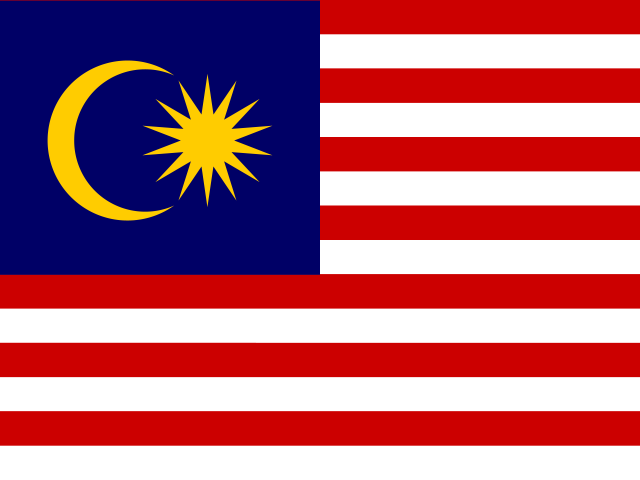 MalaysiaRainforests, island beaches and a mix of food cultures

 IndonesiaThousands of islands, volcanoes, temples and coral reefs

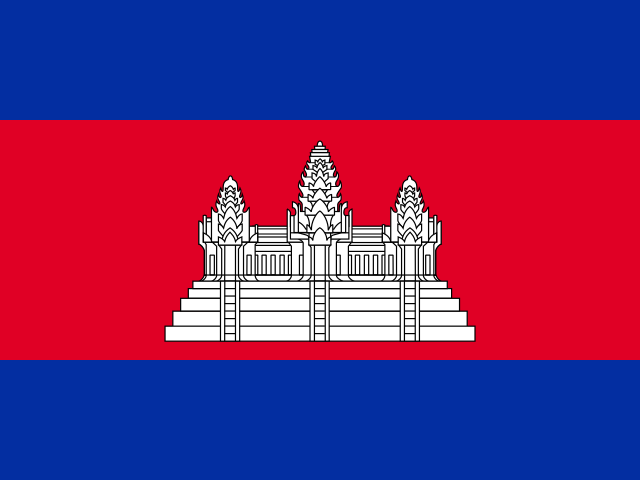 CambodiaAngkor's temples, river cities and quiet island beaches
.jpg/500px-Tasek_Merimbun_Heritage_Park.Brunei._(9565514695).jpg)
 BruneiGolden mosques, water villages and untouched rainforest

 VietnamLimestone bays, lantern towns and amazing street food

 ThailandGolden temples, island beaches and world-famous food
.jpg/500px-LPB_Guest_Houses_(1490224551).jpg)
 LaosGolden temples, Mekong sunsets and lush mountains
.jpg/500px-Cityscape_of_Manila,_2025_(01).jpg)

 PhilippinesOver 7,000 islands of beaches, reefs and rice terraces