


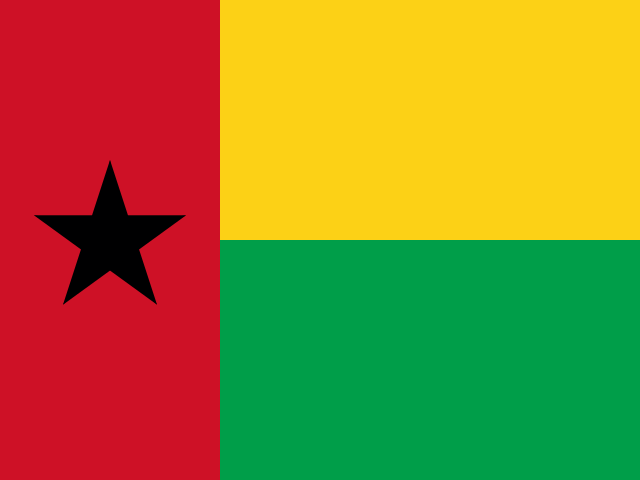
Guinea-Bissau📸 Photo album · 5 photos · Ultra-HD
The Bijagós islands – mangroves, turtles and saltwater hippos
🕒 –:– local time0 stories this week0 sources 6 top placesCapital Bissau
Guinea-Bissau is a small, watery country of mangrove-lined rivers, rice fields and offshore islands on the coast of West Africa. Its diverse peoples, including the Balanta, Fula, Mandinka, Papel, Manjaco and Bijagós, have long farmed rice, fished and traded along its estuaries. For centuries the region formed part of the wider Mandinka world, and the kingdom of Kaabu, linked to the great Mali Empire, held sway over much of the interior until the nineteenth century.
Portuguese navigators reached the coast in the 1440s, and trading posts such as Cacheu and later Bissau became hubs of the Atlantic slave trade, run by Portuguese and Cape Verdean merchants. Portuguese control for a long time barely reached beyond these forts. Only in the late nineteenth and early twentieth century did Portugal attempt to dominate the interior, meeting fierce resistance, particularly from the Bijagós islanders, who were among the last to be subdued.
In 1956 Amílcar Cabral, an agronomist and influential thinker, co-founded the PAIGC to fight for the independence of Guinea-Bissau and Cape Verde. A long liberation struggle followed, and the movement gained control of large rural areas. Cabral was assassinated in early 1973, and later that year the PAIGC declared independence. Portugal recognised it in 1974, after its own revolution. Since then, the country has experienced periods of political instability and changes of government.
Today Guinea-Bissau remains one of the least visited countries in West Africa, which is part of its appeal for adventurous travellers. Its highlights are natural and cultural: the Bijagós Archipelago, a UNESCO biosphere reserve with saltwater hippos and nesting sea turtles; the old colonial port of Cacheu with its fort; and the faded charm of Bissau Velho. Its gumbe music, colourful carnival and Kriol language reflect a rich blend of African and Portuguese influences.
Entry rules depend on your passport and change often.
Before you book, check the official rules for your passport:
The latest visa and entry news for Guinea-Bissau appears below as soon as publishers report it.
🛰️ The agents haven't spotted fresh news about Guinea-Bissau in the last few days – here is the travel guide, plus the latest from nearby countries.
A good sale to Liberia, Costa Rica. The $386 fare is the regular fare includes advance seat assignment and a normal size
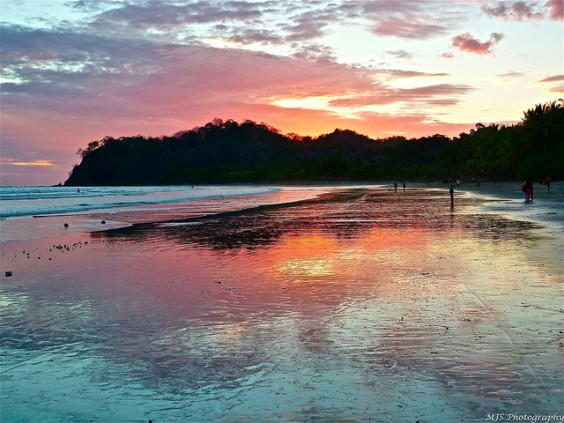 #Liberia#Costa Rica#Delta#Deals & Budget
Austin Aligns Liberia, Nassau and Eight More in Leading Southwest Airlines New Routes for Summer 2027 Southwest Airlines adds 11 new and returning routes for summer 2027, expanding flights from Austin, Nashville and San Diego.
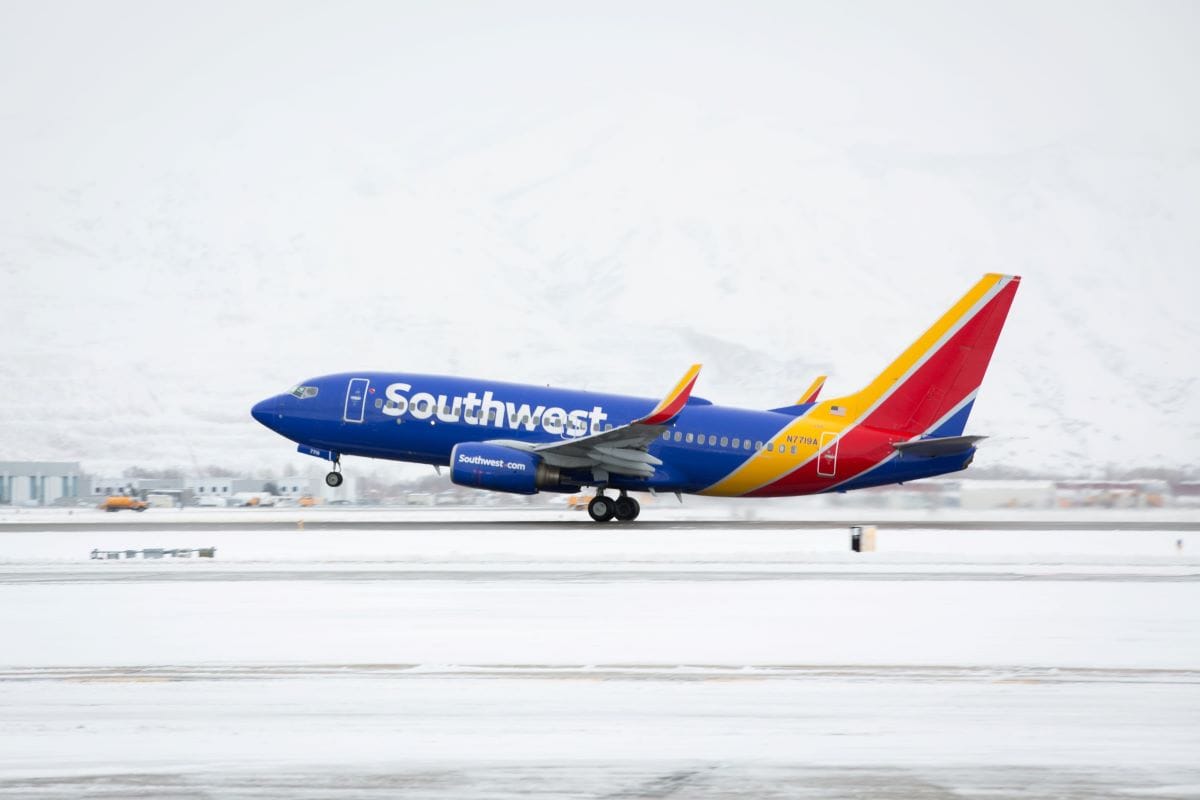 #Liberia#Bahamas#Nassau#Southwest
Reconsider travel to Mauritania due to terrorism, crime, and limited health infrastructure . Some areas have increased risk. Read the entire Travel Advisory. U.S. government employee travel restrictions The U.S. government has…
#Mauritania#United States#Travel advisory#Visas & Entry RulesThere was no change to the advisory level. The "health” risk indicator was added. Advisory summary was updated. Reconsider travel to Mauritania due to terrorism, crime, and limited health infrastructure . Some areas have…
#Mauritania#Visas & Entry RulesGuinea-Bissau has a hot tropical climate with a long dry season and a very wet rainy season. The south and the coast are wetter than the north, and the dusty Harmattan wind can blow in the early dry season.
Typical daytime highs and rain in Bissau (approximate averages).
Day 1-2: explore Bissau Velho, the markets and the Amura fort. Day 3-5: take the boat to Bubaque for beaches and a day trip to nearby islands of the Bijagós.
Day 1-2: Bissau. Day 3-7: travel deeper into the Bijagós for Orango's hippos and remote beaches, possibly on an organised boat trip. Day 8-10: head north to Cacheu's fort and mangroves and finish on the beach at Varela.
Backpacker budget: about $35–55 a day
Emergency: 117 police · 118 fire
Osvaldo Vieira International Airport in Bissau has flights via Lisbon, Dakar and other West African hubs. Overland routes connect the country with Senegal and Guinea.
✈️ Cheap flights to Guinea-Bissau: airports, flight times & best time to fly →
Guinea-Bissau is generally calm for visitors, but political instability can occur. Check your government's latest travel advice before you go and avoid political gatherings.
December to April is the dry season and the best time to travel, especially to the islands. The rainy season from June to October can make travel very difficult.
Five days lets you see Bissau and Bubaque. Ten days or more is better for exploring the remoter Bijagós islands and the north.
It depends on your passport – check the official government site or a Guinea-Bissau embassy before you travel.
Portuguese is the official language, but Kriol is the everyday lingua franca. Many ethnic languages are also spoken, and French is understood near the borders.
Approximate daily cost per person (stay, food, local transport).
Shared taxis run on the mainland, and boats or charters reach the Bijagós islands. Island trips are easiest through a lodge.
Nothing in this tab yet – the agents add new stories every few minutes.
🌏 You reached the start of our archive.
.jpg/500px-The_Gambia_(3517743773).jpg)
 GambiaSunny beaches, river cruises and birdwatching paradise
 SenegalAtlantic beaches, music and the spirit of teranga
 Sierra LeonePalm-fringed beaches, islands and rainforest
 GuineaGreen highlands, waterfalls and the source of great rivers
 LiberiaSurf beaches, rainforest and Africa's oldest republic
 Cabo VerdeAtlantic islands of beaches, volcanoes and morna music
.jpg/500px-ISS062-E-82362_-_View_of_Mauritania_-_Tidra_Island_-_Banc_d'Arguin_(cropped).jpg)
 MauritaniaSahara dunes, desert libraries and an epic iron-ore train
 Côte d'IvoireA giant basilica, lagoon city life and palm-fringed beaches