Before Europeans arrived, the rolling grasslands and river shores of what is now Uruguay were home to Indigenous peoples such as the Charrúa, Guaraní and Chaná, who hunted, fished and moved across the land. Spanish explorers reached the Río de la Plata in the early 16th century, but with no gold to be found the territory, known as the Banda Oriental, or 'Eastern Bank', was left largely to cattle that multiplied on the open pampas.
Rivalry between Spain and Portugal shaped the colonial era. The Portuguese founded Colonia del Sacramento in 1680 across the river from Buenos Aires, and the Spanish responded by founding Montevideo in the 1720s as a fortified port. In the early 1800s José Gervasio Artigas led a struggle for autonomy and became the national hero. After years of conflict involving Spain, Portugal, Brazil and Argentina, Uruguay emerged as an independent state, with its first constitution in 1830.
Read the full history
The 19th century brought civil wars between the Blanco and Colorado parties, alongside a wave of immigration from Spain and Italy that shaped the country's food, architecture and accents. In the early 20th century President José Batlle y Ordóñez championed pioneering social reforms, and Uruguay became known as the 'Switzerland of South America'. It also won the first football World Cup, hosted in Montevideo in 1930. A period of political turmoil and military rule from 1973 ended with the return of democracy in 1985.
Today Uruguay is one of Latin America's most stable and progressive democracies, known for relaxed coastal towns, vineyards and a deep love of football. For visitors, its history lives on in the cobbled UNESCO-listed streets of Colonia, the Art Deco façades of Montevideo's Ciudad Vieja, traditional estancias where gauchos still work cattle, and the shared ritual of sipping mate that unites the whole country.
Timeline
1516Spanish explorers reach the Río de la Plata
1680Portuguese found Colonia del Sacramento
1726Spanish formally found the fortified port of Montevideo
1811José Artigas leads the independence struggle
1830Uruguay adopts its first constitution as an independent state
1930Montevideo hosts and Uruguay wins the first football World Cup
1985Democracy is restored after military rule
Uruguay🛂 Visa & entry
Entry rules depend on your passport and change often.
Mercosur – Mercosur member – South American neighbours can often travel with a national ID card.
Before you book, check the official rules for your passport:
There were no changes to the advisory level or risk indicators. Advisory summary was updated. Exercise increased caution in Uruguay due to crime . Advisory summary Crime is most common in these departments: Montevideo Canelones…
Exercise increased caution in Uruguay due to crime . Exercise increased caution in Uruguay due to crime . Crime is most common in these departments: Montevideo Canelones Maldonado Rivera Violent crime occurs across the country.…
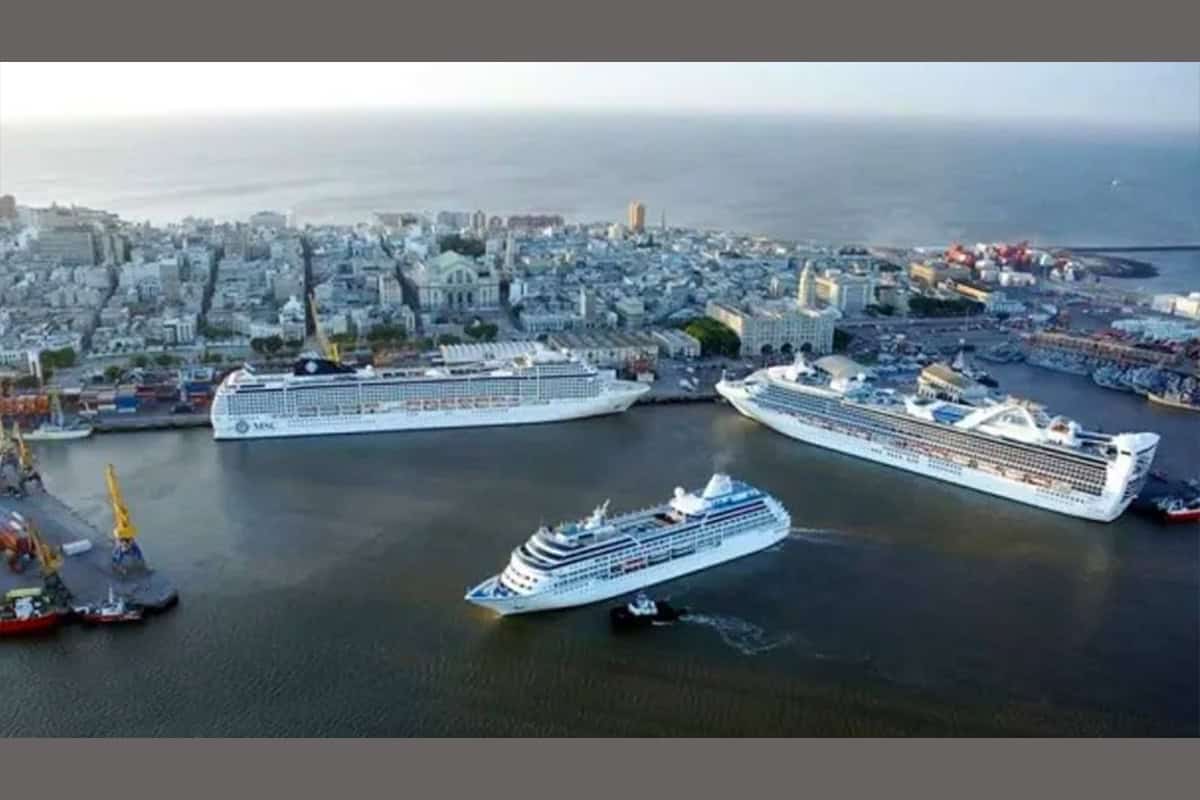
Uruguay Aligns with Colombia and Argentina Unveiling Massive Cruise Expansion in Q4 2026 The official Uruguay cruise expansion 2026 unites with Colombia and Argentina to transform tourism!
MontevideoSouth · capital cityA laid-back capital with Art Deco architecture, a buzzing old town, tango bars and a long seafront Rambla.
Colonia del SacramentoColonia · UNESCO old townA charming colonial town of cobbled streets, vine-draped houses and a lighthouse with river views.
Punta del EsteMaldonado · beach resortUruguay's most famous resort, with sweeping beaches, art galleries and lively summer nightlife.
Cabo PolonioRocha · off-grid villageA tiny car-free settlement surrounded by dunes, with a lighthouse and a large sea lion colony.
José IgnacioMaldonado · coastal villageA chic but low-key fishing village known for its lighthouse, seafood and quiet beaches.
Punta del DiabloRocha · surf townA rustic, bohemian beach town popular with backpackers, surfers and families.
📍
CarmeloColonia · wine countryA peaceful riverside town surrounded by vineyards and olive groves.
📍
SaltoNorthwest · thermal springsRiverside city near hot-spring resorts and the Salto Grande dam on the Uruguay River.
Uruguay✨ Must-do experiences
Share mate with locals on the Rambla
Eat at Montevideo's Mercado del Puerto
Ride a dune truck to Cabo Polonio
Join a Candombe drumming parade
Uruguay🍽️ Taste of Uruguay
Chivito – huge steak sandwich with ham, cheese and egg
Asado – grilled beef and sausages
Dulce de leche – sweet milk caramel
Mate – bitter herbal tea shared from a gourd
Uruguay🌦️ Weather & best time to visit Uruguay
Best time to visit Uruguay
Uruguay has a temperate climate with warm summers, cool winters and rainfall spread throughout the year. The coast is breezier and milder, while the interior and north get hotter in summer.
BestDecember to March – warm summer days perfect for beaches, Carnival and coastal towns.
ShoulderOctober to November and April – mild, pleasant weather for city breaks and wine country, with fewer crowds.
AvoidJune to August – cool, damp and windy winters, when many beach towns are very quiet.
28°💧Jan
27°💧Feb
25°💧Mar
22°💧Apr
18°💧May
15°💧Jun
14°💧Jul
16°💧Aug
17°💧Sep
20°💧Oct
23°💧Nov
26°💧Dec
Typical daytime highs and rain in Montevideo (approximate averages).
Uruguay🎉 Festivals & events in Uruguay
January–March
CarnivalSaid to be one of the world's longest carnivals, featuring candombe drumming and satirical murga theatre.
February
Llamadas ParadeCandombe drum troupes parade through Montevideo's Barrio Sur and Palermo neighbourhoods.
March/April
Semana CriollaDuring Holy Week, gauchos show off rodeo skills, folk music and traditional food in Montevideo's Prado.
March
Fiesta de la Patria GauchaTacuarembó celebrates gaucho culture with horse riding, music and camps.
October
Día del PatrimonioHeritage Day opens historic buildings, palaces and private sites to the public free of charge.
Uruguay🧭 Uruguay itinerary ideas
How many days in Uruguay?
5 daysMontevideo and Colonia in 5 days
Day 1-2 explore Montevideo's Ciudad Vieja, Mercado del Puerto and Rambla. Day 3-4 take the bus to Colonia del Sacramento to wander its historic quarter and nearby wineries. Day 5 return to Montevideo or catch a ferry to Buenos Aires.
10 daysCities, coast and countryside
Day 1-3 Montevideo and Colonia, then Day 4 at a rural estancia. Day 5-6 Punta del Este and José Ignacio, followed by Day 7-9 along the Rocha coast at La Paloma, Cabo Polonio and Punta del Diablo. Day 10 head back to Montevideo.
Uruguay🎒 Backpacking Uruguay – tips & hacks
Backpacker budget: about $45–70 a day
Uruguay is one of South America's pricier countries, so cook in hostel kitchens and shop at supermarkets to save money.
Long-distance buses from Montevideo's Tres Cruces terminal are comfortable and reach almost every town.
Fill up on a chivito sandwich or a plate from a local parrilla at lunchtime, when set menus are often better value.
Visit the Rocha coast outside January and early February to find cheaper beds and quieter beaches.
Ciudad Vieja and Pocitos in Montevideo and Punta del Diablo on the coast are popular backpacker bases.
Uruguay🛡️ Safety & money in Uruguay
Stay safe
Uruguay is generally safe, but petty theft occurs in Montevideo – watch bags in Ciudad Vieja after dark and on buses.
Use registered taxis or ride-hailing apps at night rather than walking through empty streets.
The Atlantic coast can have strong currents; swim at beaches with lifeguards and heed warning flags.
Summer sun is intense, especially on the coast – use strong sunscreen even on breezy days.
Money
Cards are widely accepted, and paying by foreign card in restaurants sometimes brings a tax refund on the bill.
ATMs are common in cities; carry some cash for small towns, markets and remote places like Cabo Polonio.
A tip of around 10 percent is customary in restaurants when service is not included.
Emergency: 911
Uruguay🛬 Getting to Uruguay
Most flights arrive at Carrasco International Airport near Montevideo; frequent ferries cross the Río de la Plata from Buenos Aires to Colonia and Montevideo, and land borders connect with Argentina and Brazil.
Uruguay won the first-ever football World Cup in 1930, beating Argentina in the final.
Uruguayans drink more mate per person than almost anyone, often carrying a thermos everywhere.
There are more cattle than people in Uruguay.
Uruguay was among the first countries to grant women the vote in South America.
Nearly all of Uruguay's electricity comes from renewable sources such as wind and hydropower.
Uruguay❓ Uruguay travel FAQ
Uruguay travel questions
Is Uruguay safe for tourists?
Uruguay is considered one of the safest countries in South America. Petty theft can happen in Montevideo, so take ordinary city precautions, especially at night.
When is the best time to visit Uruguay?
December to March is ideal for beaches and Carnival. Spring and autumn are pleasant and quieter for cities and wine regions.
How many days do you need in Uruguay?
Four to five days covers Montevideo and Colonia, while 10 days lets you add Punta del Este, the Rocha coast and an estancia stay.
Is Uruguay expensive to visit?
Uruguay is pricier than many South American countries, particularly in beach resorts in high season. Buses, set lunches and self-catering help keep costs down.
Do I need a visa for Uruguay?
It depends on your passport – many nationalities can visit visa-free for short stays. Check the official government site or embassy before you travel.
Uruguay💰 What a trip costs
$$price level
$45–70backpacker / day
$110–200mid-range / day
Approximate daily cost per person (stay, food, local transport).
Uruguay🚌 Getting around
Clean, comfortable buses link nearly every town. Ferries cross the River Plate to Buenos Aires.
Uruguay🛕 Sacred & spiritual places
Montevideo Metropolitan Cathedral – Main Catholic church on Plaza Matriz in the old town
Uruguay🤝 Local etiquette
Greet with one cheek kiss, even between men who know each other
Do not touch the mate straw when it is passed to you
Dinner is late – usually after 9 pm
Nothing in this tab yet – the agents add new stories every few minutes.
📰 Older Uruguay stories Everything our agents ever found – keeps loading as you scroll


.jpg/1920px-Punta_del_Diablo,_Rocha_Department,_Uruguay_-_panoramio_(2).jpg)

 #Uruguay#Colombia#Cruises
.jpg/500px-Godoy_Cruz,_Mendoza_Province,_Argentina_-_panoramio_(12).jpg)

 ArgentinaTango, glaciers, wine country and roaring waterfalls
 ParaguayJesuit ruins, river towns and South America's quiet heart
 ChileFrom the driest desert to Patagonian peaks and Easter Island
 BoliviaSalt flats, Andean lakes and colourful highland markets
.jpg/500px-Foz_do_Igua%C3%A7u_-_State_of_Paran%C3%A1,_Brazil_-_panoramio_(18).jpg)

 BrazilBeaches, rainforest, samba and carnival energy
 Falkland IslandsPenguin colonies, wild coasts and remote island farms
 PeruMachu Picchu, Andean villages and world-class food
.jpg/500px-Surroundings_of_Infrasound_Station_IS49_Tristan_de_Cunha,_UK_(13288640063).jpg)
 Tristan da CunhaThe world's most remote inhabited island