

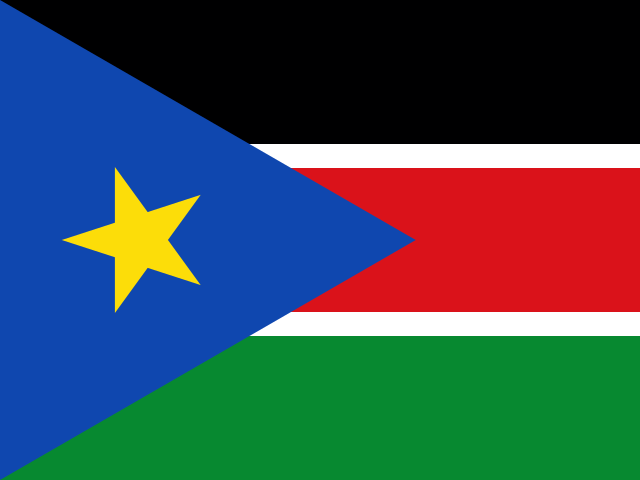
South Sudan📸 Photo album · 1 photos · Ultra-HD
Vast wetlands, cattle cultures and the White Nile
🕒 –:– local time0 stories this week0 sources 4 top placesCapital Juba
South Sudan's vast floodplains, savannahs and forests along the White Nile have been home for thousands of years to cattle-herding and farming peoples. Today more than 60 ethnic groups live here, including the Dinka, Nuer, Shilluk, Bari, Zande and Mundari, each with its own language, traditions and deep bonds to cattle and land. From around the 15th and 16th centuries, the Shilluk developed a kingdom along the Nile centred on the town of Fashoda, with a line of kings that continues in ceremonial form today.
For centuries the immense Sudd swamp, one of the largest wetlands in the world, kept outside powers at bay. In the 19th century, Turco-Egyptian rulers based in Khartoum pushed south along the Nile, and the region suffered from ivory and slave raiding. After the Anglo-Egyptian Condominium was established in 1899, Britain administered the south largely separately from the north, with limited development, a policy that deepened divisions within Sudan.
When Sudan became independent in 1956, many southerners sought greater autonomy, and long periods of civil war followed. A peace agreement in 1972 brought a decade of self-rule before conflict resumed in 1983. The Comprehensive Peace Agreement of 2005 opened the way to a referendum in January 2011, in which southerners voted overwhelmingly for independence. On 9 July 2011, South Sudan became the world's newest country, with Juba as its capital.
Independence was followed by internal conflict from 2013, and a revitalised peace agreement was signed in 2018, though the country continues to face serious security and humanitarian challenges. Tourism is extremely limited and most governments advise against travel. For those with specialist knowledge, the country holds remarkable natural and cultural heritage: one of Africa's great antelope migrations in Boma and Badingilo National Parks, the Mundari cattle camps near Terekeka, the Sudd wetlands and the living traditions of its many peoples.
Entry rules depend on your passport and change often.
Before you book, check the official rules for your passport:
The latest visa and entry news for South Sudan appears below as soon as publishers report it.
🛰️ The agents haven't spotted fresh news about South Sudan in the last few days – here is the travel guide, plus the latest from nearby countries.
Ethiopia Ignites A Stunning Tourism Technology Revolution To Transform Modern Exploration And Redefine Global Wanderlust Discover how Ethiopia leverages AI, smart centers, and a 7-day visa-free policy to drive $5B in tourism…
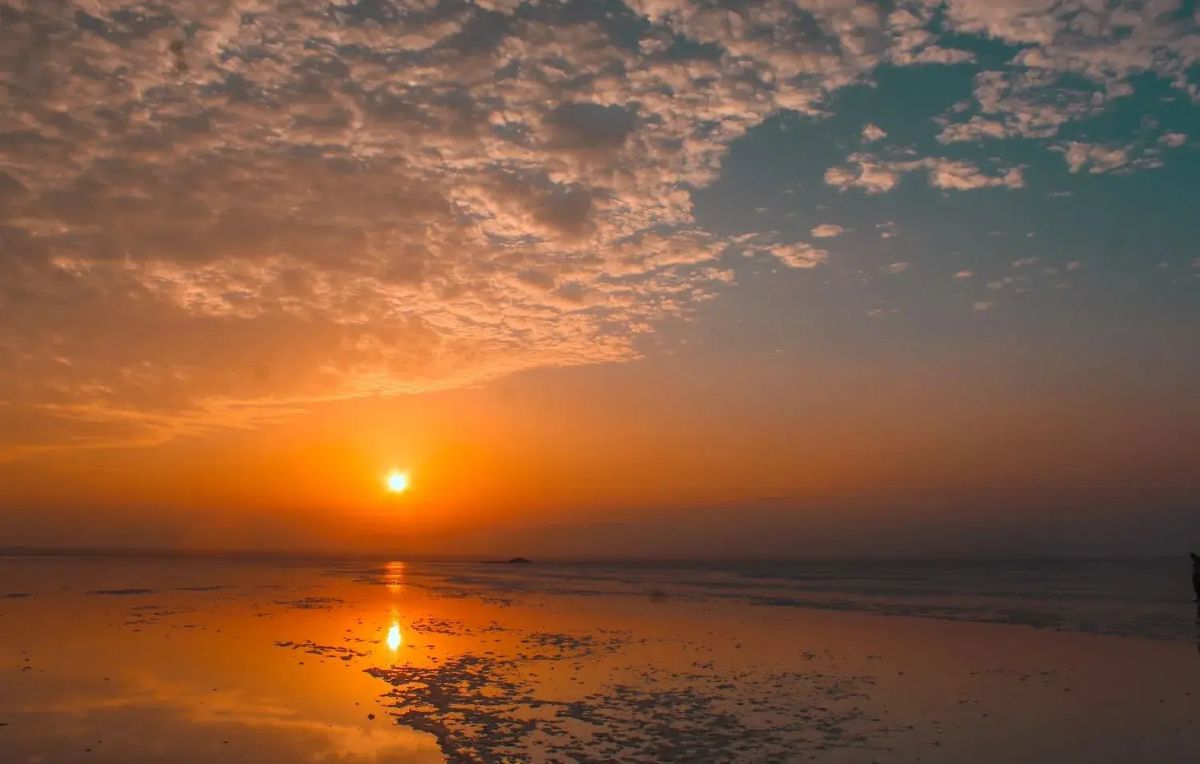 #Ethiopia#Visa-free travel#Inspiring & Scenic
South Africa Moves Alongside With Rwanda And More Countries In Boosting Africa Tourism With 4% Growth As Safari And Coastal Demand Climbs Africa tourism grows by 4% in 2026 due to strong performance by South Africa and Rwanda for…
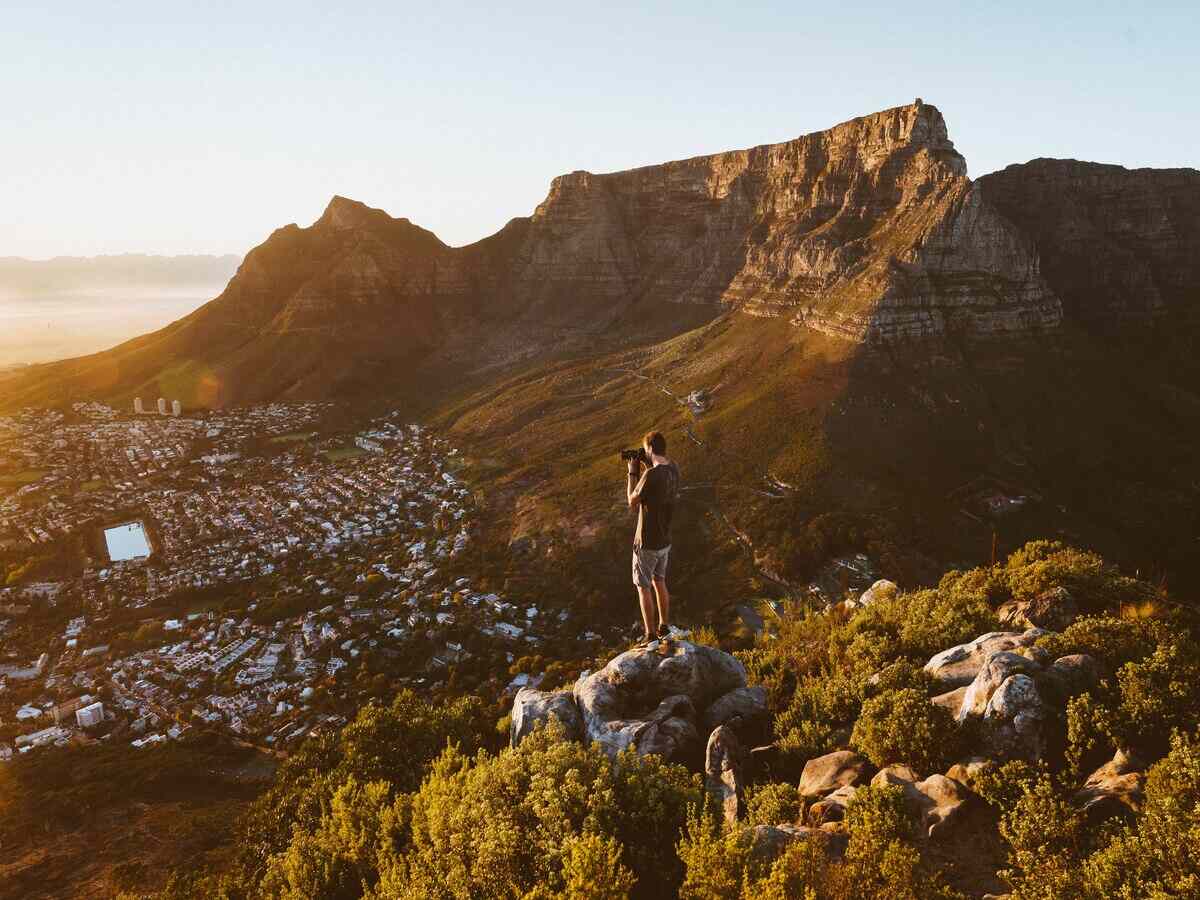 #South Africa#Rwanda#Safari
Uganda has removed the yellow fever vaccination certificate from its mandatory entry requirements, according to immigration authorities, changing a long-standing travel condition. The article Uganda removes Yellow Fever…
 #Uganda
Ethiopian Airlines Leads Africa’s Aviation Revolution with Fuel Innovation, Open Skies and Regional Connectivity How African commercial aviation beats high fuel costs and FX crises through SAF, open skies, and PAPSS.
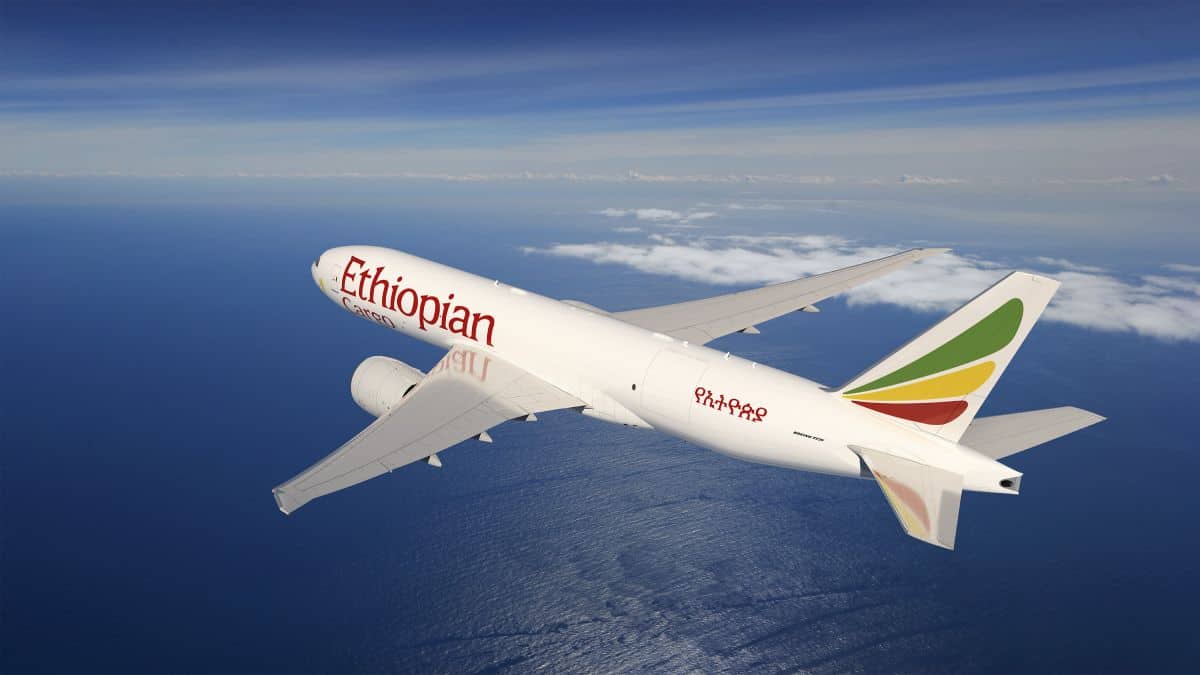 #Ethiopia#Flights & Airlines
Rwanda Turns Cycling Races into Community Rides and Lake Kivu Adventures South Africa and Rwanda show how races, public rides and scenic cycling routes could extend visitor stays, while local tourism benefits still need evidence.
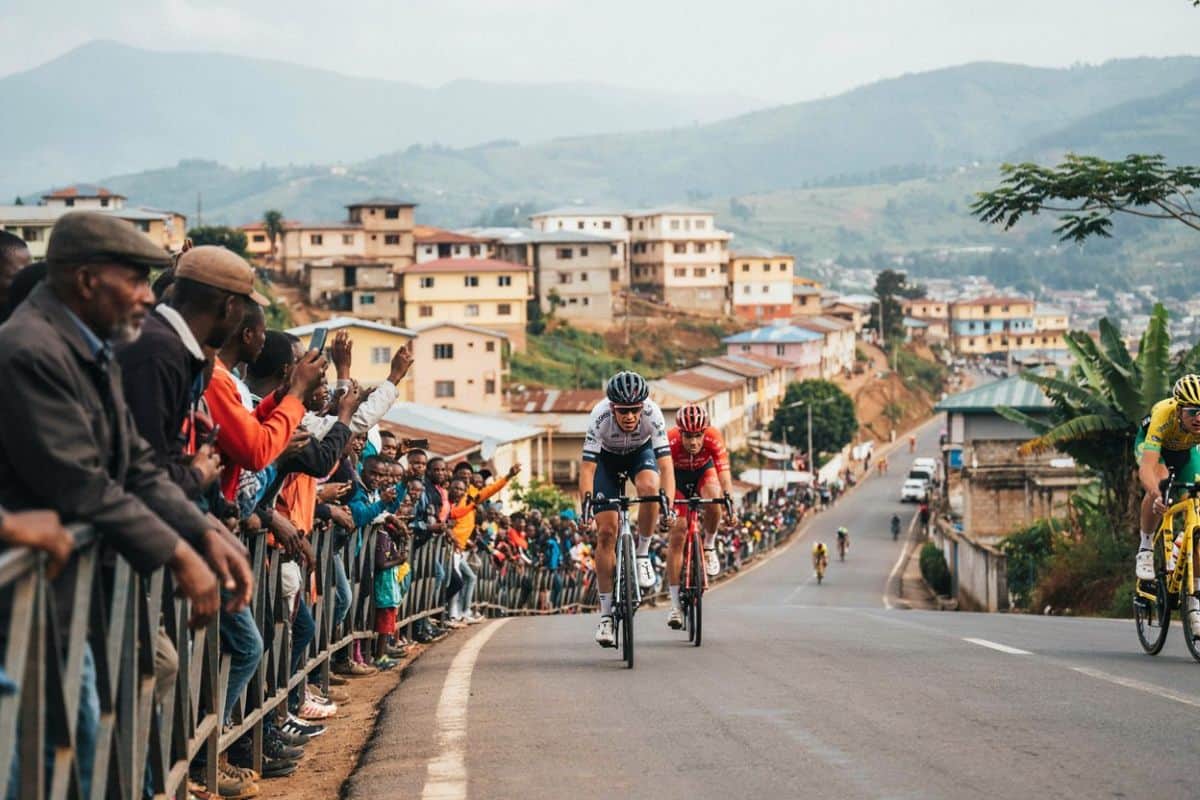 #Rwanda#South Africa
On 02/10/2026, a forest fire started in Sudan, until 04/10/2026.
#Sudan#Weather & AlertsSouth Sudan is hot all year, with a single long rainy season and a dry season from roughly December to March. The north and the Sudd flood widely in the wet season, while the southern highlands are cooler and greener.
Typical daytime highs and rain in Juba (approximate averages).
Day 1-2 in Juba to visit the Nile riverside and Konyo Konyo Market with a licensed local guide. Day 3-4 travel to the Mundari cattle camps near Terekeka for a guided stay. Day 5 return to Juba to fly out. Only consider this with a reputable specialist operator and up-to-date security advice.
Day 1-2 Juba for permits and briefings, then Day 3-7 a fly-in safari to Badingilo or Boma National Parks during the dry-season migration. Day 8-9 visit the Mundari cattle camps, and Day 10 return to Juba. Such trips depend entirely on security conditions and must be arranged by experienced operators.
Backpacker budget: about $70–120 a day
Emergency:
Almost all visitors arrive by air at Juba International Airport; land borders exist with Uganda, Kenya and other neighbours, but overland travel carries significant risks.
✈️ Cheap flights to South Sudan: airports, flight times & best time to fly →
No – most governments advise against all or all but essential travel to South Sudan because of armed conflict, intercommunal violence and crime. Check your government's latest travel advice before considering any trip.
A very small number of visitors travel with specialist operators to see the migration or the cattle camps, but conditions can change quickly. Tourism infrastructure is minimal and permits are often required.
It depends on your passport – most visitors need to arrange a visa in advance, and additional permits may be needed for travel and photography. Check the official government site or embassy before you travel.
The dry season from December to March is the only practical time to travel, as rains from May to October flood roads and remote areas.
English is the official language, and Juba Arabic is widely used as a common language. Dozens of local languages such as Dinka, Nuer and Bari are also spoken.
Approximate daily cost per person (stay, food, local transport).
Most travel beyond Juba is by charter flight or organised 4x4 trip, as roads are limited, especially in the rainy season.
Nothing in this tab yet – the agents add new stories every few minutes.
🌏 You reached the start of our archive.

 UgandaGorillas, the source of the Nile and lush national parks
 SudanPyramids of Meroë, the Nile and the Red Sea
 RwandaMountain gorillas, green hills and a clean, modern capital
 EthiopiaRock-hewn churches, high mountains and the birthplace of coffee
 KenyaGreat Migration safaris, Indian Ocean beaches and Swahili towns
 Central African RepublicDeep rainforest, forest elephants and the Ubangi River
 BurundiRoyal drummers, green hills and Lake Tanganyika beaches
 EritreaArt Deco Asmara, Red Sea islands and highland monasteries