,_St_Maarten,_Oct_2014_(15709089025).jpg/1920px-Mullet_Bay_(after_Gonzalo),_St_Maarten,_Oct_2014_(15709089025).jpg)
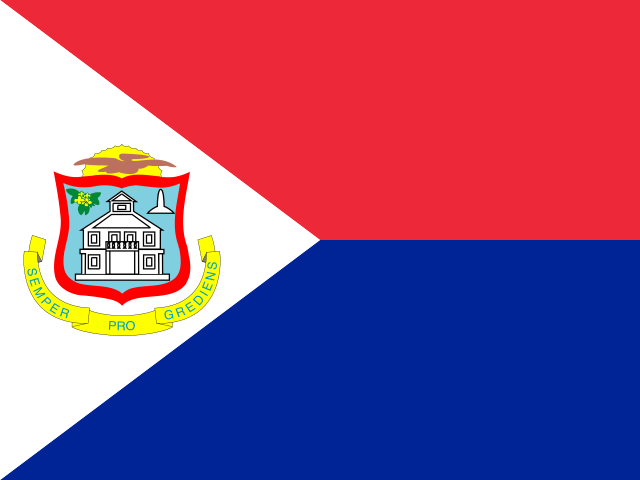
Sint Maarten📸 Photo album · 1 photos · Ultra-HD
Planes over the beach, duty-free shops and island nightlife
🕒 –:– local time1 stories this week1 sources 4 top placesCapital Philipsburg
The island now shared by Sint Maarten and Saint-Martin was first inhabited by Amerindian peoples from South America, including Arawak-speaking groups and later the Kalinago, who are often said to have called it Soualiga, 'land of salt', after its shimmering salt ponds. Archaeological sites around the island have revealed pottery, tools and traces of villages dating back well over a thousand years.
Christopher Columbus is traditionally said to have named the island on his second voyage in 1493. In the early seventeenth century, Dutch traders arrived to harvest salt from the Great Salt Pond, a valuable commodity for preserving fish in Europe. Spain occupied the island for a time and built a fort, but after it withdrew, the Dutch and French divided the island under the Treaty of Concordia in 1648, an agreement that remarkably still forms the basis of the border today. Legend says the line was settled by a walking contest between a Frenchman and a Dutchman.
Over the following centuries the island changed hands several times during European wars before settling into its Dutch and French halves. Sugar and cotton plantations, along with salt harvesting, relied on enslaved Africans, and emancipation came in 1848 on the French side and 1863 on the Dutch side. After salt and sugar declined, many islanders emigrated in search of work, until tourism began to take off in the mid-twentieth century with the opening of the airport and early hotels.
Sint Maarten became part of the Netherlands Antilles and, in 2010, a constituent country within the Kingdom of the Netherlands. Hurricane Irma caused major damage in 2017, but the island has rebuilt. Visitors today enjoy the unique experience of exploring two nations on one small island, with duty-free shopping in Philipsburg, famous beaches, a lively cruise port, varied food and the thrill of planes skimming overhead at Maho Beach.
Entry rules depend on your passport and change often.
Before you book, check the official rules for your passport:
The latest visa and entry news for Sint Maarten appears below as soon as publishers report it.
A good sale to St. Maarten. Pricing will vary slightly depending on routing The $435 fare is the regular fare which allows
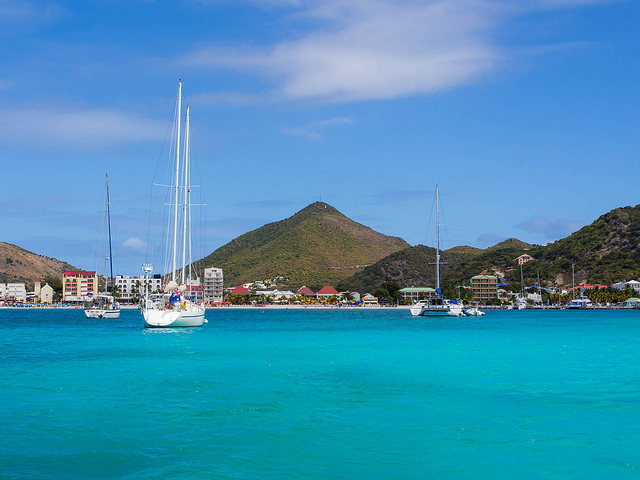 #United States#Sint Maarten#Deals & Budget
Sint Maarten enjoys a tropical climate with warm temperatures all year moderated by trade winds. Rainfall is modest and mostly falls in short showers during late summer and autumn.
Typical daytime highs and rain in Philipsburg (approximate averages).
Day 1 explore Philipsburg and Great Bay. Day 2 watch planes at Maho and swim at Mullet Bay. Day 3 cross to the French side for Marigot and Grand Case.
Day 1-2 Philipsburg, Fort Amsterdam and Little Bay. Day 3 Maho and Mullet Bay. Day 4 the French side's beaches. Day 5 a sailing experience. Day 6-7 day trips by ferry to Anguilla or Saint-Barthélemy.
Backpacker budget: about $80–120 a day
Emergency: 911 police, fire & ambulance
Princess Juliana International Airport is a major regional hub with flights from North America and Europe. Ferries link the island to Anguilla, Saint-Barthélemy and Saba, and it is a popular cruise port.
✈️ Cheap flights to Sint Maarten: airports, flight times & best time to fly →
Sint Maarten is generally safe, with tourism a major part of the economy. Petty theft can occur, so protect your belongings.
December to April offers dry, sunny weather. August to October has the highest hurricane risk.
Three days covers the main beaches and both sides of the island. A week allows day trips to nearby islands.
It depends on your passport – check the official Sint Maarten government site or your nearest Dutch embassy before you travel.
Yes, you can drive freely between Dutch Sint Maarten and French Saint-Martin. Carry your ID anyway, as checks can occasionally occur.
Approximate daily cost per person (stay, food, local transport).
Taxis and rental cars are the easiest options, and minibuses run on main roads. Ferries go to nearby islands like Anguilla and Saint Barthélemy.
Nothing in this tab yet – the agents add new stories every few minutes.
🌏 You reached the start of our archive.

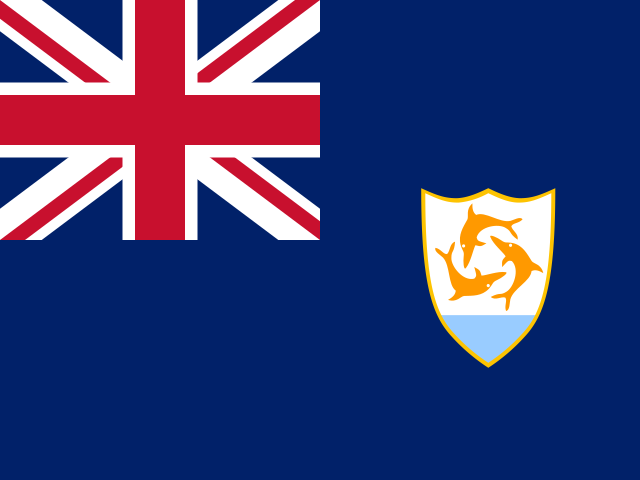 AnguillaQuiet luxury and powder-white Caribbean beaches
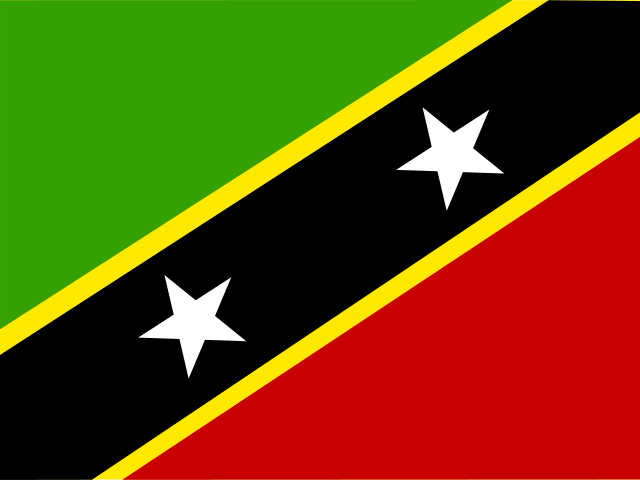 Saint Kitts and NevisTwin islands of fortresses, volcano peaks and calm beaches
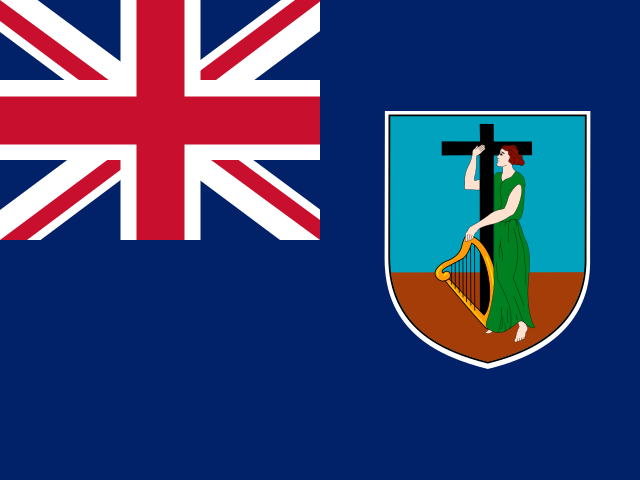 MontserratEmerald Isle of the Caribbean, shaped by a living volcano
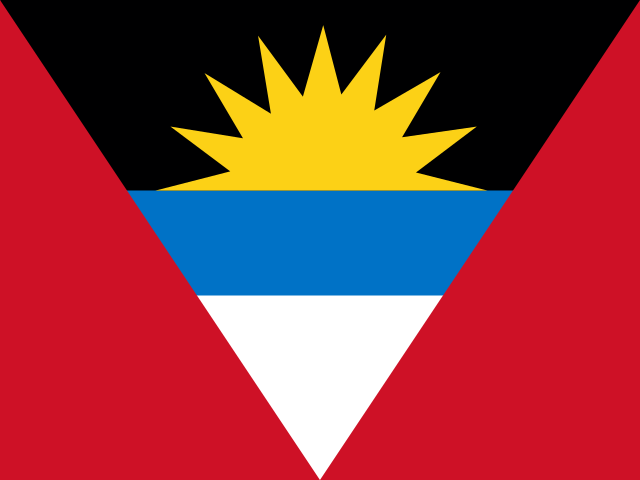 Antigua and BarbudaA beach for every day of the year and historic harbours
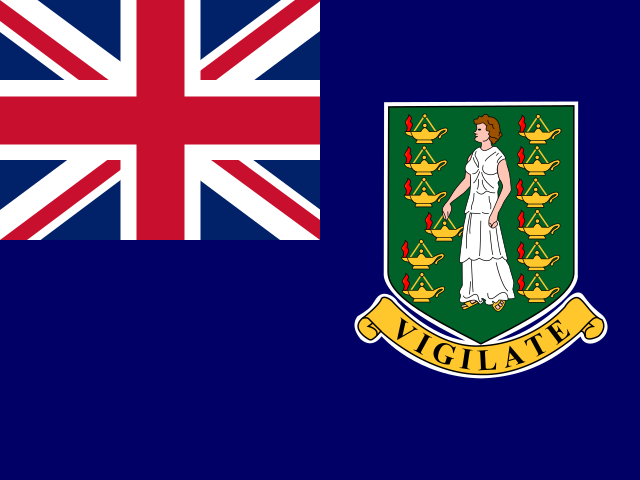 British Virgin IslandsSailing paradise of calm bays and island-hopping
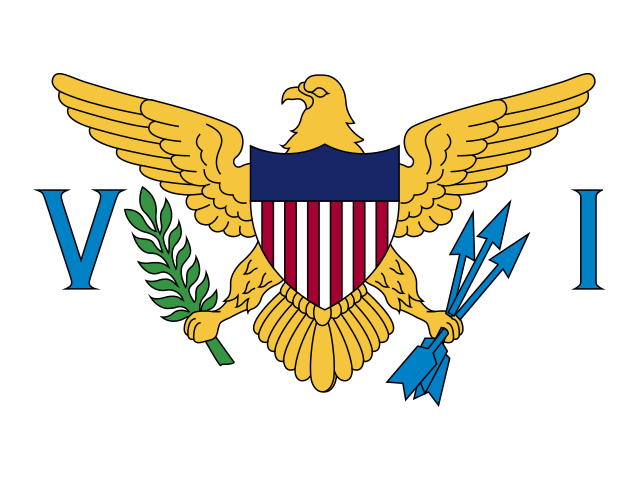 U.S. Virgin IslandsNational-park beaches and Danish colonial towns
 GuadeloupeFrench Caribbean butterfly island of volcanoes and beaches
 DominicaThe Caribbean's wild nature island of waterfalls and hot springs