


Mali📸 Photo album · 9 photos · Ultra-HD
Mud mosques, Niger River towns and Sahel music
🕒 –:– local time0 stories this week0 sources 6 top placesCapital Bamako
Mali sits at the heart of West Africa's great empires. Along the inland delta of the Niger River, the ancient city of Djenné-Djeno was already a thriving urban centre around two thousand years ago, trading fish, rice and iron. The Ghana Empire, centred to the northwest, grew rich on trans-Saharan trade, and in the thirteenth century Sundiata Keita founded the Mali Empire, whose story is still told by griots in the Epic of Sundiata.
The Mali Empire reached its height under Mansa Musa, whose legendary pilgrimage to Mecca in 1324 is remembered for the vast quantity of gold he carried and gave away. Timbuktu became a renowned centre of Islamic scholarship, with mosques such as Djinguereber and libraries holding thousands of manuscripts. The Songhai Empire later dominated the region from Gao until a Moroccan invasion in 1591, after which smaller kingdoms such as the Bambara states of Ségou rose.
France conquered the region in the late nineteenth century, and it became the colony of French Sudan. Mali gained independence in 1960, first briefly in a federation with Senegal and then as a separate republic under Modibo Keïta. The decades that followed brought periods of military and civilian rule, and in 1991 a popular movement opened the way to multiparty democracy, while Malian musicians such as Ali Farka Touré and Salif Keita won international acclaim.
Since 2012 Mali has faced a prolonged security crisis in its north and centre, alongside political changes in Bamako, and many governments advise against all travel. For readers, Mali remains a treasure of world heritage: the Great Mosque of Djenné, the cliffside villages of the Dogon Country, the manuscripts of Timbuktu and the Tomb of Askia in Gao, along with one of the world's richest musical traditions.
Entry rules depend on your passport and change often.
Before you book, check the official rules for your passport:
The latest visa and entry news for Mali appears below as soon as publishers report it.
🛰️ The agents haven't spotted fresh news about Mali in the last few days – here is the travel guide, plus the latest from nearby countries.
Ghana Opens a Free Visa Route for African Travellers in a Major Tourism Move Ghana’s free e-visa for African passport holders leads a look at changing entry rules and tourism trends across Africa in 2026.
 #Ghana#e-Visa#Passports#Visas & Entry Rules
Etihad Airways Expands Nigeria Reach With Ibom Air as Lagos and Accra Flights Begin in 2027 Etihad Airways will be reinforcing its plan of expansion into West Africa with a recent interline partnership with the Nigerian airline…
 #United Arab Emirates#Nigeria#Accra#Etihad
Calm yet imposing figures evoke the Benin Bronzes, ceremonial masking traditions, and the Moai stones of Easter Island. Do stories and artists like this matter to you? Become a Colossal Member today and support independent arts…
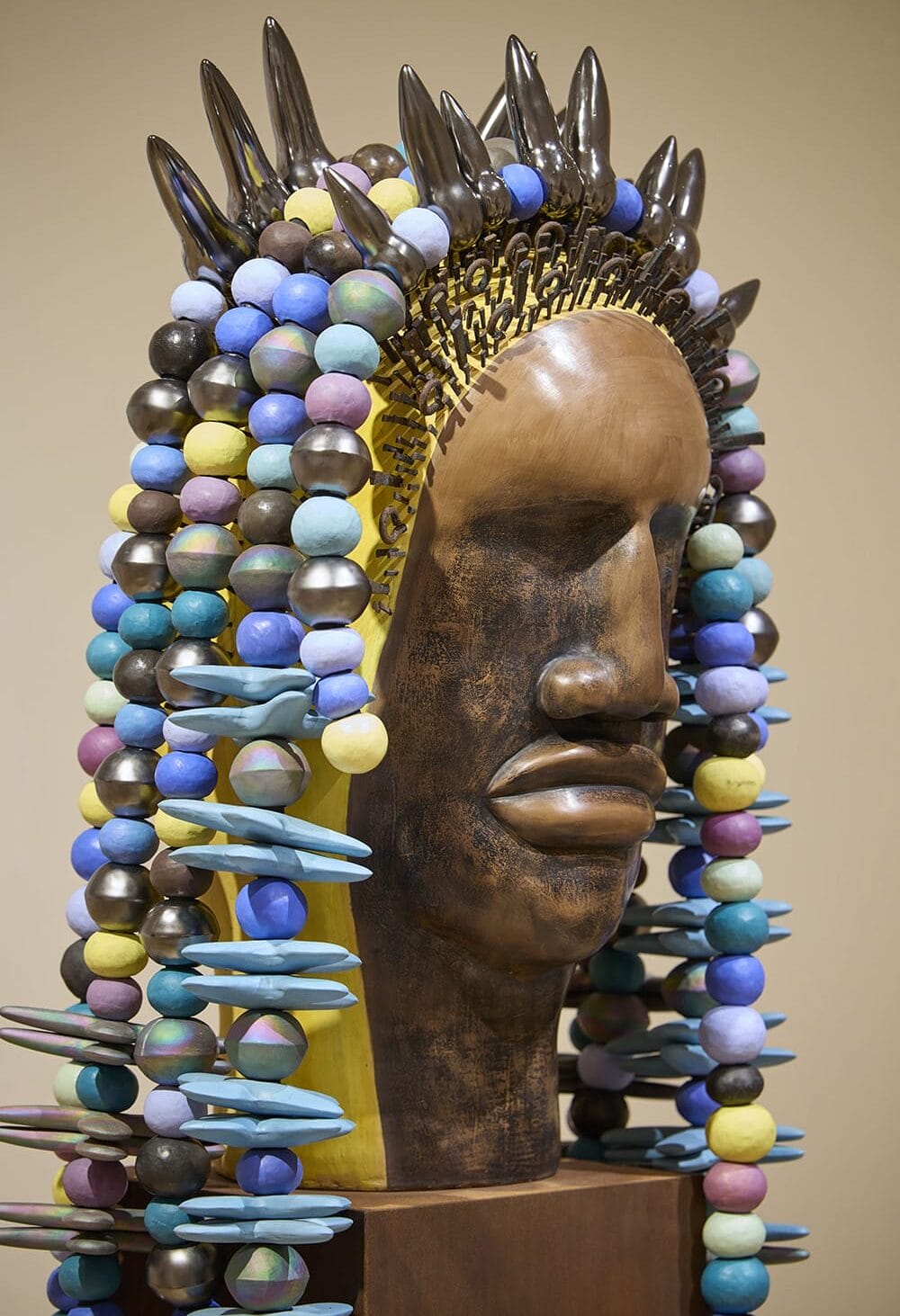 #Benin#Chile#Inspiring & Scenic
Reconsider travel to Mauritania due to terrorism, crime, and limited health infrastructure . Some areas have increased risk. Read the entire Travel Advisory. U.S. government employee travel restrictions The U.S. government has…
#Mauritania#United States#Travel advisory#Visas & Entry RulesThere was no change to the advisory level. The "health” risk indicator was added. Advisory summary was updated. Reconsider travel to Mauritania due to terrorism, crime, and limited health infrastructure . Some areas have…
#Mauritania#Visas & Entry RulesMali has a hot, dry climate that becomes more desert-like toward the north. The south has a summer rainy season, while the Saharan north receives very little rain at all.
Typical daytime highs and rain in Bamako (approximate averages).
Day 1-2 explore Bamako's National Museum, markets and live music venues, only if your government's travel advice permits. Day 3-4 visit craft workshops and the Niger riverfront with a trusted local guide.
This classic route of Bamako, Ségou, Djenné, Mopti and the Dogon Country was once popular but is currently affected by insecurity. Check your government's latest travel advice before considering any travel outside the capital.
Backpacker budget: about $25–40 a day
Emergency: 17 police · 18 fire · 15 ambulance
Modibo Keïta International Airport in Bamako is the main entry point, with flights from regional hubs and some European cities. Land border crossings exist with neighbouring countries, but many routes are unsafe, so check the latest travel advice.
✈️ Cheap flights to Mali: airports, flight times & best time to fly →
No, Mali is currently affected by armed conflict and kidnapping risks, and many governments advise against all travel. Always check your government's latest travel advice before considering a trip.
When travel is possible, November to February is the most comfortable period. The hot season from March to June is extremely hot.
Timbuktu is in a region where travel is strongly advised against due to insecurity. It is best appreciated through books, exhibitions and documentaries for now.
It depends on your passport – check the official Malian government site or your nearest embassy before you travel.
Bambara is the most widely spoken language, and French is widely used in administration and education. Many other languages are spoken across the country.
Approximate daily cost per person (stay, food, local transport).
Buses and shared taxis connect the main towns, and boats travel the Niger River in high water. Hiring a driver and local guide is common.
Nothing in this tab yet – the agents add new stories every few minutes.
🌏 You reached the start of our archive.

 Burkina FasoPainted villages, rock peaks and Africa's biggest film festival
.jpg/500px-ISS062-E-82362_-_View_of_Mauritania_-_Tidra_Island_-_Banc_d'Arguin_(cropped).jpg)
 MauritaniaSahara dunes, desert libraries and an epic iron-ore train
 GuineaGreen highlands, waterfalls and the source of great rivers
 GhanaCastles, rainforest canopy walks and vibrant Accra
 TogoPalm beaches, green hills and colourful markets
 Côte d'IvoireA giant basilica, lagoon city life and palm-fringed beaches
_(2).jpg/500px-Ganvi%C3%A9_fishing_village_on_stilts_in_Benin_(10282059623)_(2).jpg)
 BeninBirthplace of Vodun, royal palaces and a village on stilts
 SenegalAtlantic beaches, music and the spirit of teranga