


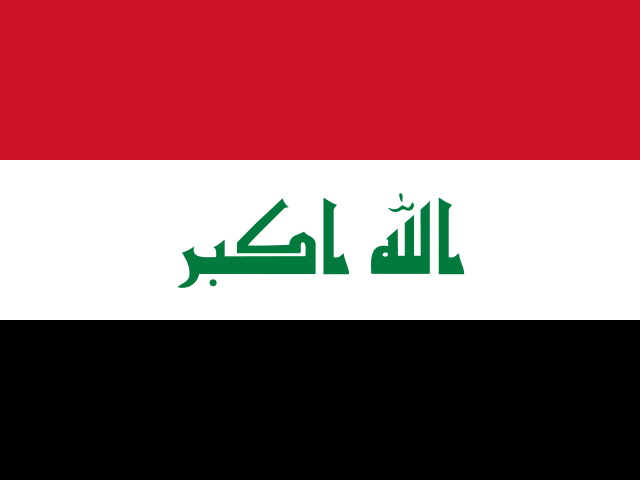
Iraq📸 Photo album · 8 photos · Ultra-HD
Cradle of civilisation, holy cities and ancient Mesopotamia
🕒 –:– local time4 stories this week2 sources 6 top placesCapital Baghdad
Iraq is the heart of ancient Mesopotamia, the 'land between the rivers' Tigris and Euphrates, where some of humanity's earliest civilisations arose. In the south, the Sumerians built cities such as Ur and Uruk, developed cuneiform writing, and raised great stepped temples called ziggurats. Later came the empires of Akkad, Babylon and Assyria; Hammurabi issued his famous law code in Babylon, and Assyrian kings ruled from cities such as Nimrud and Nineveh. Nebuchadnezzar II made Babylon one of the wonders of the ancient world.
Persian, Greek, Parthian and Sasanian rulers followed, and Ctesiphon near modern Baghdad became a great imperial capital. After the Arab-Islamic conquests of the seventh century, Iraq became central to Islamic history: Najaf and Karbala grew into major holy cities, and in 762 the Abbasid caliphs founded Baghdad. Its 'House of Wisdom' made the city a world centre of science, translation and learning during a golden age. In 1258 Baghdad was sacked by the Mongols, and the region later came under the Ottoman Empire for several centuries.
After the First World War, Britain took control under a League of Nations mandate and created the Kingdom of Iraq, which became independent in 1932. The monarchy was overthrown in 1958, and from 1979 Saddam Hussein ruled until his government was removed in 2003. The decades since have included periods of war and instability, followed by gradual reconstruction, while the Kurdistan Region in the north has developed its own regional government.
Today Iraq is slowly opening up to visitors, many of them pilgrims, history lovers and adventurous travellers. Highlights include the ruins of Babylon and the reconstructed Ziggurat of Ur, the shrines of Karbala and Najaf, Baghdad's book market on Al-Mutanabbi Street, the marshlands of the south and the mountains and ancient citadel of Erbil in Kurdistan. Conditions vary widely by region, so checking official travel advice is essential before planning any trip.
Entry rules depend on your passport and change often.
Before you book, check the official rules for your passport:
The latest visa and entry news for Iraq appears below as soon as publishers report it.
Eurowings Expands Travel From Germany With New Baghdad Flights and Dubai Growth Eurowings enhances its network to serve more destinations in Germany with new departures to Baghdad and increased connections from Dubai this winter.
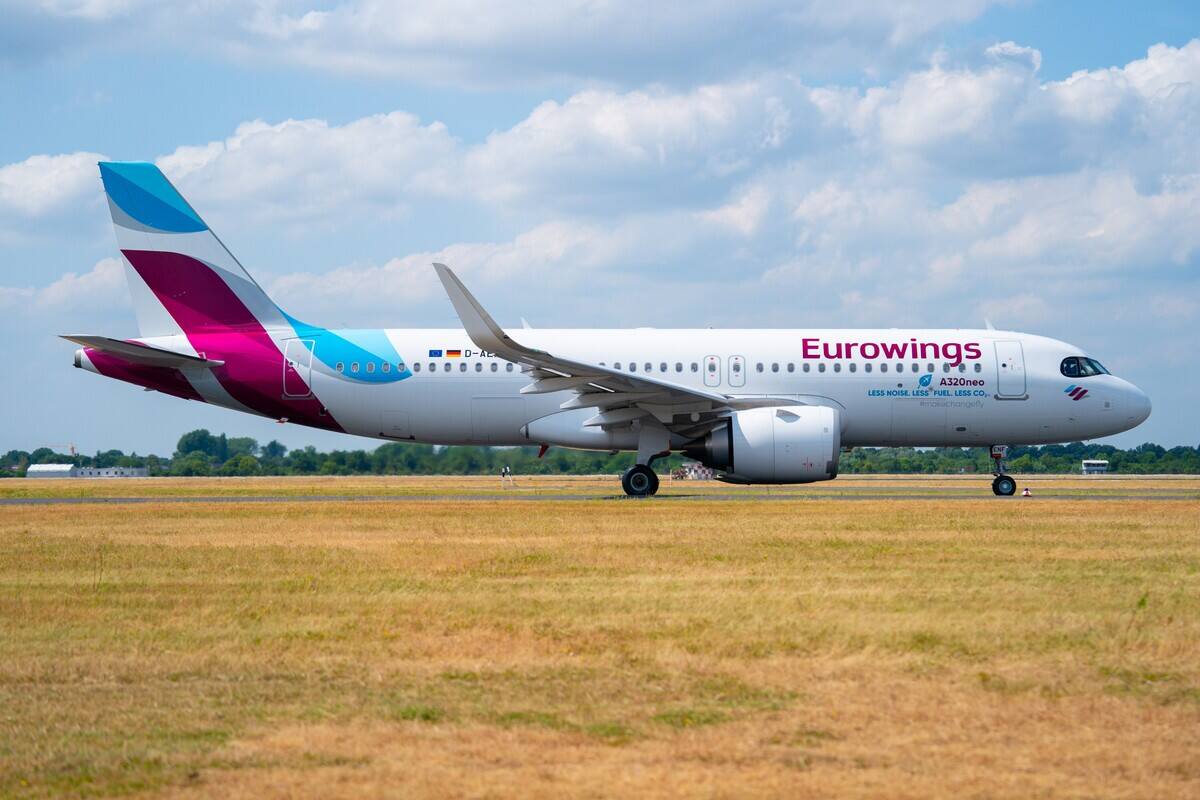 #Germany#Iraq#Baghdad#Dubai
Iranian Airlines Return to Iraq as Najaf Flights Resume Under New US Exemption Iranian airlines are back in Iraq now. Flights, to Najaf have started again. This is because of an US rule. The rule lets most Iranian airlines fly…
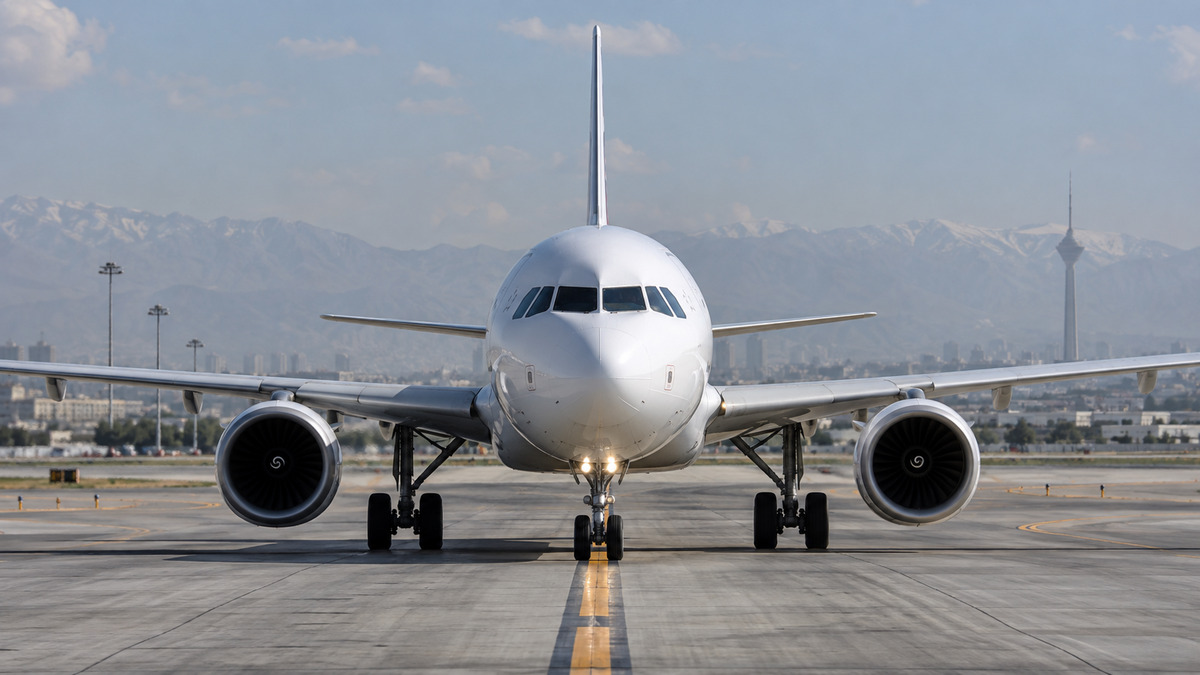 #Iraq#Iran#Flights & Airlines
There were no changes to the Travel Advisory Level. The “Crime” risk indicator was added. Advisory summary was updated to reflect changes to U.S. embassy operations. Do not travel to Iraq due to terrorism, kidnapping, armed…
#Iraq#United States#Travel advisory#Visas & Entry RulesDo not travel to Iraq due to terrorism, kidnapping, armed conflict, crime, health risks , and the U.S. government’s limited ability to provide emergency services to U.S. citizens in Iraq . Do not travel to Iraq for any reason.…
#Iraq#United States#Visas & Entry RulesIraq has a hot desert climate in the centre and south, with scorching summers and mild winters with occasional rain. The Kurdistan Region in the north is mountainous and much cooler, with snow in winter.
Typical daytime highs and rain in Baghdad (approximate averages).
Day 1-2: explore Erbil's citadel, bazaar and museums. Day 3: drive to the mountains around Rawanduz and its canyon. Day 4-5: continue to Sulaymaniyah for its museums, markets and surrounding landscapes.
Day 1-3: Baghdad's Iraq Museum, Al-Mutanabbi Street and riverside. Day 4-5: Babylon and Karbala. Day 6: Najaf. Day 7-8: Ur and the southern marshes. Day 9-10: Basra and the Shatt al-Arab, ideally travelling with a licensed local guide.
Backpacker budget: about $30–50 a day
Emergency: 104 police · 115 fire · 122 ambulance
Baghdad, Erbil, Basra, Najaf and Sulaymaniyah airports have international flights, mostly via Middle Eastern hubs such as Istanbul, Dubai and Doha. Land borders with neighbouring countries exist, but rules and safety vary, so check before travelling overland.
✈️ Cheap flights to Iraq: airports, flight times & best time to fly →
Safety varies widely by region and can change quickly. Many governments advise against travel to some or all areas, so check your government's latest travel advice and travel with a reputable local guide if you go.
Spring (March–April) and autumn (October–November) are the most comfortable. Summers in the centre and south are extremely hot.
It depends on your passport, and the Kurdistan Region may have different arrangements – check the official government site or embassy before you travel.
Five days is a good taste of the Kurdistan Region. Around ten days lets a guided trip cover Baghdad, Babylon, the holy cities and the south.
Dress modestly with long trousers and covered shoulders. Women should wear loose clothing and must cover their hair and often wear an abaya when visiting shrines.
Approximate daily cost per person (stay, food, local transport).
Most travelers use taxis, private drivers or organised tours; domestic flights link Baghdad, Erbil and Basra.
Nothing in this tab yet – the agents add new stories every few minutes.
🌏 You reached the start of our archive.

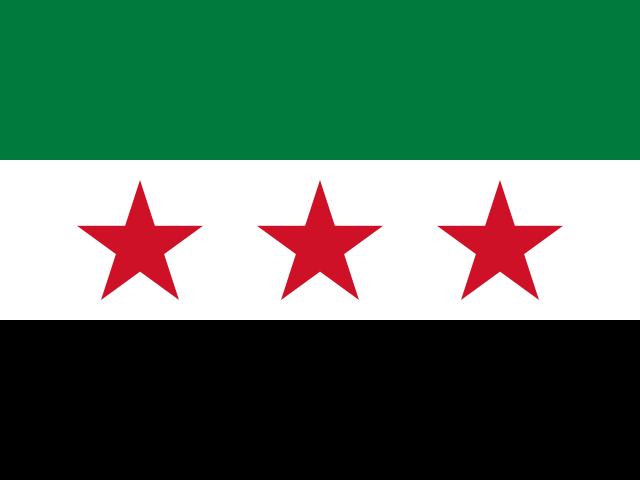 SyriaAncient cities, Crusader castles and old souqs
 KuwaitGulf waterfront, old souqs and iconic towers
 LebanonAncient ruins, mountain cedars and Mediterranean food

 JordanRose-red Petra, desert camps and the Dead Sea
 ArmeniaAncient monasteries, mountain views and warm hospitality
.jpg/500px-Church_of_the_Nativity_(7703592746).jpg)
 PalestineAncient towns, olive groves and deep-rooted traditions
.jpg/500px-Qobustan_giri%C5%9F_qayas%C4%B1_2026_(1).jpg)
 AzerbaijanFlame towers, old silk-road towns and Caspian Sea views
 IsraelBeach cities, desert fortresses and the salty Dead Sea