.jpg/1920px-Nationalpark_Monte_Al%C3%A9n_(Tafel).jpg)

.jpg/1920px-Bata,_2015-02_The_Equatorial_Guinea_2015_porcupine_mascot_(16327273357).jpg)


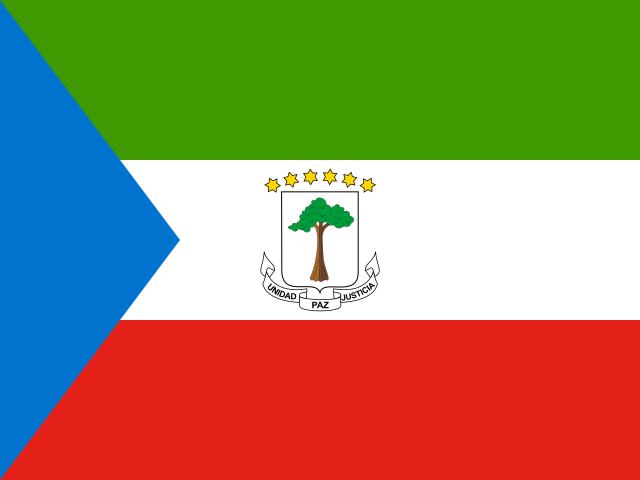
Equatorial Guinea📸 Photo album · 6 photos · Ultra-HD
Volcanic Bioko island, rainforest and sea-turtle beaches
🕒 –:– local time2 stories this week1 sources 6 top placesCapital Malabo
Equatorial Guinea is made up of a mainland territory, Río Muni, and several islands in the Gulf of Guinea, the largest of which is volcanic Bioko. The mainland forests were home to Bantu-speaking peoples, above all the Fang, along with Ndowe and other coastal communities, while Bioko was settled long ago by the Bubi, who arrived from the mainland and developed their own distinct culture and chiefdoms.
Portuguese navigator Fernão do Pó reached Bioko in the early 1470s, and the island long bore his name, Fernando Pó. Portugal ceded its claims in the region to Spain in 1778, though Spanish control was weak at first. In the 19th century Britain used the island as a base for naval patrols against the Atlantic slave trade, and the town of Port Clarence, later Santa Isabel and now Malabo, grew with a community of freed Africans and West African traders. Spain consolidated its rule in the late 19th and early 20th centuries, developing cocoa and coffee plantations that relied on migrant labour.
Spanish Guinea became independent on 12 October 1968 as Equatorial Guinea. Its first president, Francisco Macías Nguema, ruled harshly until he was overthrown in 1979 by Teodoro Obiang Nguema Mbasogo, who has governed since. The discovery of offshore oil and gas in the 1990s transformed the economy, bringing new roads, buildings and airports, especially in Malabo and the mainland city of Bata.
For the adventurous few who visit, the country offers a rare mix: Spanish colonial architecture in Malabo, the only Spanish-speaking nation in sub-Saharan Africa, Bubi traditions on Bioko, wild beaches where sea turtles nest, and dense rainforest on the mainland that shelters gorillas, chimpanzees and forest elephants. Because so few tourists make the trip, those who do often find genuine curiosity and warm hospitality.
Entry rules depend on your passport and change often.
Before you book, check the official rules for your passport:
The latest visa and entry news for Equatorial Guinea appears below as soon as publishers report it.
Equatorial Guinea Joins Nigeria to Boost Tourism as Grand Hotel Djibloho Drives Corporate Travel Growth Equatorial Guinea joins Nigeria to grow tourism as Grand Hotel Djibloho expands corporate travel, events and regional…
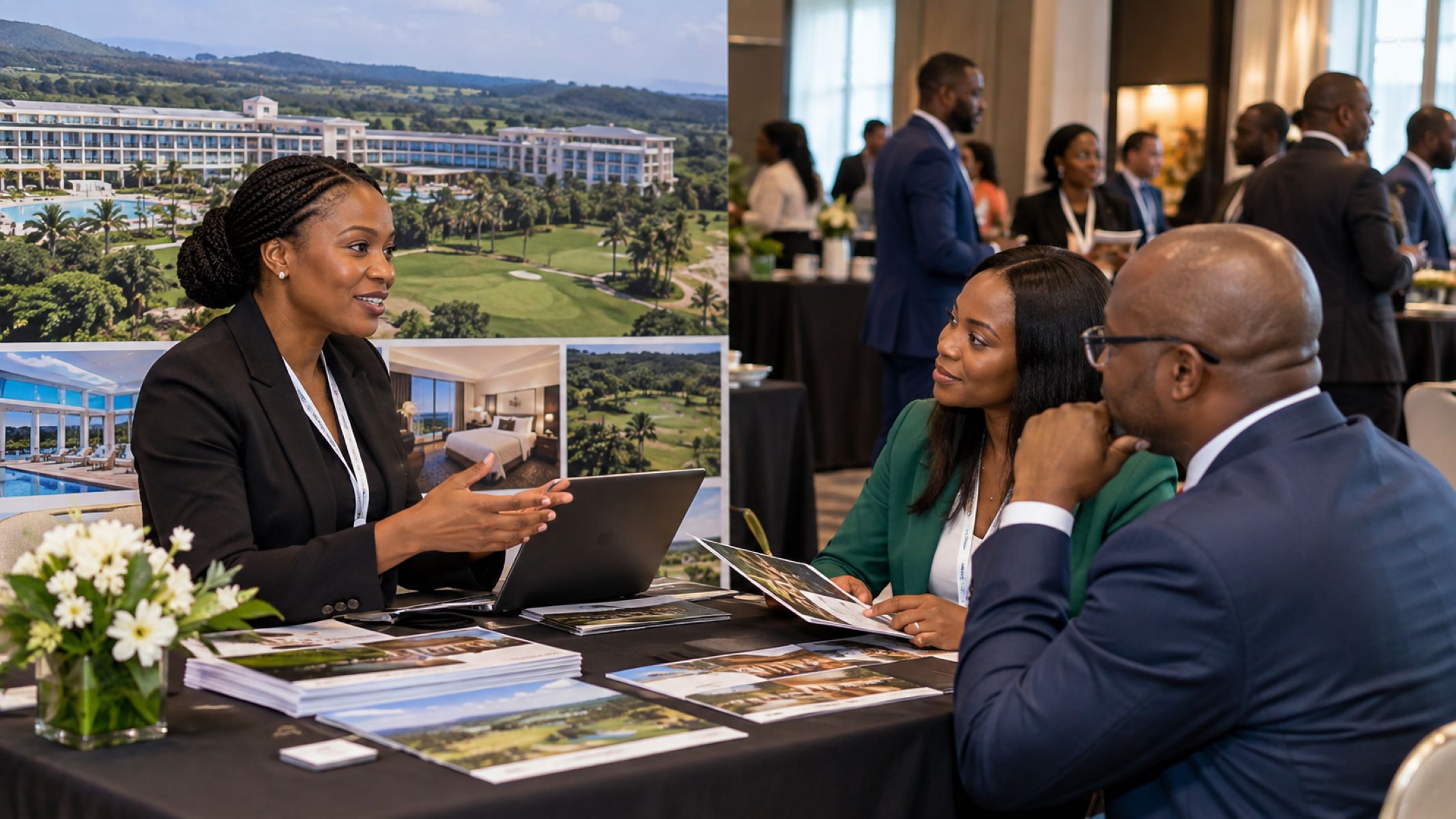 #Equatorial Guinea#Nigeria#Hotels & Stays
Egypt, Alongside South Africa and Others, Accelerates Tourism, Investment and Trade Cooperation Across Africa Together with South Africa, Equatorial Guinea and Chad, Egypt is speeding up tourism, investment and economic…
 #Egypt#South Africa
The climate is equatorial, hot and humid year-round, with heavy rainfall. Bioko and the mainland have somewhat different rainy seasons, and Bioko's southern slopes are among the wettest places in Africa.
Typical daytime highs and rain in Malabo (approximate averages).
Days 1-2 explore Malabo and drive up Pico Basilé. Days 3-5 head south to Moka and the Ureca coast for forest walks and turtle nesting beaches.
Days 1-5 cover Malabo, Pico Basilé, Moka and Ureca on Bioko. Fly to Bata for Days 6-10, with a trip into Monte Alén National Park and time on the coast or Corisco Island.
Backpacker budget: about $80–120 a day
Emergency: 114 police · 115 fire
The main international airports are in Malabo on Bioko and in Bata on the mainland. Land borders with Cameroon and Gabon exist but may be restricted, so check before travelling overland.
✈️ Cheap flights to Equatorial Guinea: airports, flight times & best time to fly →
Crime against visitors is relatively low, but the country is very little visited and there are strict rules on photography and documents. Travel with a local contact or guide and check your government's latest travel advice.
It depends on your passport. Check the official Equatorial Guinea government website or your nearest embassy well before you travel.
December to February is the driest period on Bioko and the best time for turtle watching and travel. Expect heavy rain for much of the rest of the year.
Spanish is the main official language and the most widely used, alongside French, Portuguese and local languages such as Fang and Bubi.
Five days is enough to see the highlights of Bioko island. With 10 days you can add the mainland and Monte Alén National Park.
Approximate daily cost per person (stay, food, local transport).
Flights connect Malabo and Bata, and taxis are common in both cities. Trips to parks are best arranged with a guide and driver.
Nothing in this tab yet – the agents add new stories every few minutes.
🌏 You reached the start of our archive.

 GabonRainforest parks where elephants walk on the beach
 Sao Tome and PrincipeChocolate islands on the equator, wild and green
 Republic of the CongoRainforest gorillas, the Congo River and Brazzaville
 Cameroon'Africa in miniature' – volcano, rainforest, beaches and kingdoms
 NigeriaBig-city energy, Afrobeats and lush highlands
_(2).jpg/500px-Ganvi%C3%A9_fishing_village_on_stilts_in_Benin_(10282059623)_(2).jpg)
 BeninBirthplace of Vodun, royal palaces and a village on stilts
 TogoPalm beaches, green hills and colourful markets
 Central African RepublicDeep rainforest, forest elephants and the Ubangi River