


Cameroon📸 Photo album · 6 photos · Ultra-HD
'Africa in miniature' – volcano, rainforest, beaches and kingdoms
🕒 –:– local time0 stories this week0 sources 6 top placesCapital Yaoundé
Cameroon is often called 'Africa in miniature' because its landscapes and peoples mirror much of the continent. Its forests were home to some of Africa's earliest known peoples, including the Baka and other forest communities. Scholars believe the great Bantu migrations that spread across central and southern Africa began in the grasslands near the border of present-day Cameroon and Nigeria thousands of years ago. Over time powerful kingdoms emerged, such as the Bamum with its capital at Foumban, the chiefdoms of the western highlands and Islamic states in the north linked to the Sahel trade routes.
Portuguese sailors arrived in the 1470s and, amazed by the shrimp in the Wouri River, named it Rio dos Camarões, the origin of the country's name. The coast later became a hub for European trade, including the Atlantic slave trade. In 1884 Germany declared a protectorate, building railways, plantations and towns such as Buea. After the First World War, the territory was divided between France and Britain under League of Nations mandates.
French Cameroon became independent in 1960, and in 1961 the southern part of British Cameroons voted to join it, creating a federation, while the northern part joined Nigeria. This dual heritage is why Cameroon is officially bilingual in French and English, alongside around 250 local languages. The federation became a unitary state in 1972, and the country has had very few presidents since independence.
Today Cameroon is known for its football passion, makossa and bikutsi music, and astonishing diversity, from the beaches of Kribi to the volcanic peak of Mount Cameroon and the savannahs of the north. Some regions face security problems, so travellers should check current advice, but visitors to accessible areas find royal palaces, lively markets, rainforest wildlife and some of Africa's most varied cultures in a single country.
Entry rules depend on your passport and change often.
Before you book, check the official rules for your passport:
The latest visa and entry news for Cameroon appears below as soon as publishers report it.
🛰️ The agents haven't spotted fresh news about Cameroon in the last few days – here is the travel guide, plus the latest from nearby countries.
Equatorial Guinea Joins Nigeria to Boost Tourism as Grand Hotel Djibloho Drives Corporate Travel Growth Equatorial Guinea joins Nigeria to grow tourism as Grand Hotel Djibloho expands corporate travel, events and regional…
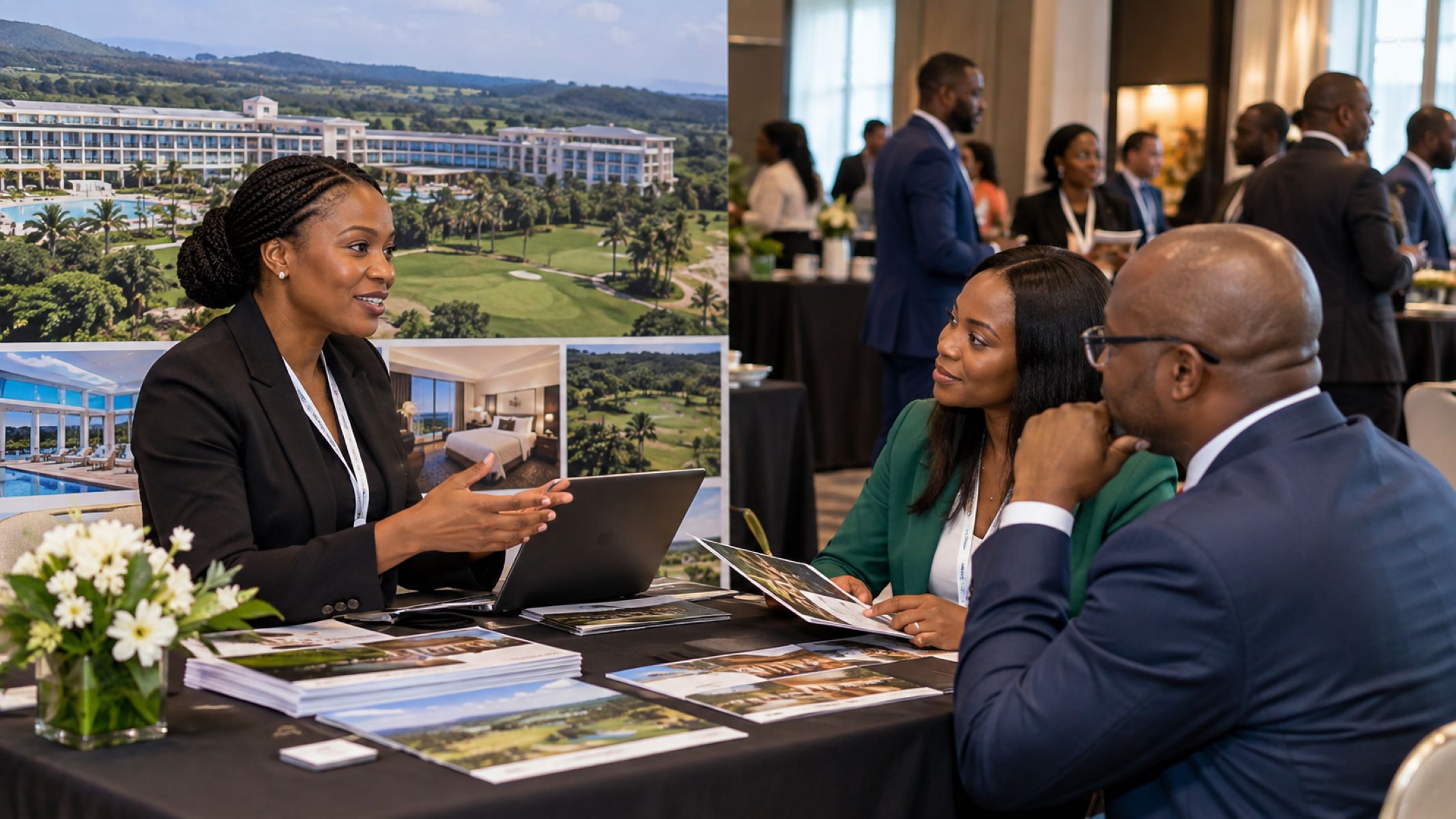 #Equatorial Guinea#Nigeria#Hotels & Stays
Etihad Airways Expands Nigeria Reach With Ibom Air as Lagos and Accra Flights Begin in 2027 Etihad Airways will be reinforcing its plan of expansion into West Africa with a recent interline partnership with the Nigerian airline…
 #United Arab Emirates#Nigeria#Accra#Etihad
Egypt, Alongside South Africa and Others, Accelerates Tourism, Investment and Trade Cooperation Across Africa Together with South Africa, Equatorial Guinea and Chad, Egypt is speeding up tourism, investment and economic…
 #Egypt#South Africa
Exercise increased caution in Sao Tome and Principe due to health risks. U.S. government employee travel restrictions As of August 12, 2026, U.S. government employees working for the U.S. Mission to Angola and Sao Tome and…
#Sao Tome and Principe#United States#Príncipe#Visas & Entry RulesThe central African nation is a precious discovery for those who appreciate what it means to be wild.
 #Gabon#Safari#Destinations
The south is humid and tropical, with two rainy seasons in the interior and very heavy rain on the coast around Douala and Limbe. The north is hotter and drier, with a single rainy season in summer.
Typical daytime highs and rain in Yaoundé (approximate averages).
Day 1-2 explore Douala's markets, galleries and music scene. Day 3-5 travel to Kribi for the Lobé Falls, beach time and fresh grilled fish. Day 6-7 finish in Yaoundé with its markets and museums.
Day 1-2 explore Douala. Day 3-6 head to the western highlands for Bandjoun's chiefdom, Dschang's museum and Foumban's royal palace. Day 7-9 visit Yaoundé and nearby villages. Day 10-14 relax on the beaches of Kribi with a trip toward Campo Ma'an National Park.
Backpacker budget: about $30–50 a day
Emergency: 117 police · 118 fire
Douala International Airport and Yaoundé Nsimalen International Airport handle most international flights. Land borders exist with neighbours such as Nigeria, Chad, Gabon and Equatorial Guinea, but conditions vary, so check before travelling overland.
✈️ Cheap flights to Cameroon: airports, flight times & best time to fly →
Some regions, including the Far North and the Anglophone Northwest and Southwest, face serious insecurity, and travel there may be advised against. Other areas such as Yaoundé, Douala, Kribi and the West are visited more often, but always check your government's latest travel advice before you go.
November to February is the most comfortable period, with drier weather and better roads. The coastal rainy season peaks in summer and early autumn.
A week is enough for the coast and one or two cities. Two weeks lets you add the western highlands and a Mount Cameroon trek.
It depends on your passport – check the official Cameroonian government site or your nearest embassy before you travel.
French and English are both official, with French spoken by the majority. Cameroonian Pidgin English is widely used in the Anglophone regions and around Douala.
Approximate daily cost per person (stay, food, local transport).
Buses and coaches link major cities, and there is a train between Douala and Yaoundé. Shared taxis and motorbikes are common in towns.
Nothing in this tab yet – the agents add new stories every few minutes.
🌏 You reached the start of our archive.

 NigeriaBig-city energy, Afrobeats and lush highlands
.jpg/500px-Nationalpark_Monte_Al%C3%A9n_(Tafel).jpg)
 Equatorial GuineaVolcanic Bioko island, rainforest and sea-turtle beaches
 GabonRainforest parks where elephants walk on the beach
 Republic of the CongoRainforest gorillas, the Congo River and Brazzaville
 Central African RepublicDeep rainforest, forest elephants and the Ubangi River
 Sao Tome and PrincipeChocolate islands on the equator, wild and green
_(2).jpg/500px-Ganvi%C3%A9_fishing_village_on_stilts_in_Benin_(10282059623)_(2).jpg)
 BeninBirthplace of Vodun, royal palaces and a village on stilts
 ChadSahara arches, desert lakes and a reborn wildlife park