Ecuador has been inhabited for well over ten thousand years. Along its Pacific coast the Valdivia culture produced some of the earliest pottery in the Americas, and later societies such as the Chorrera, Manteño and La Tolita became skilled potters, traders and goldsmiths. In the highlands, peoples including the Cañari and the Quitu-Cara built farming communities among the volcanoes, while many Indigenous nations lived in the Amazon rainforest to the east.
In the late fifteenth century the Inca Empire conquered the highlands, and Quito and Tomebamba (near modern Cuenca) became important northern centres. A war of succession between the Inca brothers Huáscar and Atahualpa had only just ended when Spanish conquistadors arrived in 1532. Within a few years the Spanish had taken control, and Quito was refounded in 1534. For nearly three centuries the region was governed as the Real Audiencia de Quito, its economy built on haciendas and Indigenous labour, and its churches filled with the art of the celebrated Quito School.
Read the full history
A first cry for independence rang out in Quito in 1809, and in 1822 the Battle of Pichincha, won by Antonio José de Sucre, freed the region from Spain. Ecuador first joined Simón Bolívar's Gran Colombia before becoming a separate republic in 1830. The following century saw rivalry between conservative Quito and liberal Guayaquil, the liberal reforms of Eloy Alfaro, cacao and banana booms, and later an oil boom from the 1970s. Democracy returned in 1979 after a period of military rule, and the US dollar replaced the sucre in 2000.
Today Ecuador packs an astonishing range of experiences into a small country. Visitors can explore the UNESCO-listed colonial centres of Quito and Cuenca, meet Indigenous communities at highland markets, hike around snow-capped volcanoes, venture into the Amazon and sail among the extraordinary wildlife of the Galápagos Islands.
Timeline
c. 3500 BCValdivia culture creates some of the Americas' earliest pottery
c. 1460sInca Empire expands into the Ecuadorian highlands
1534Spanish found the colonial city of San Francisco de Quito
1822Battle of Pichincha secures independence from Spain
1830Ecuador becomes an independent republic
1978Quito and the Galápagos become among the first UNESCO World Heritage Sites
2000US dollar adopted as the official currency
Ecuador🛂 Visa & entry
Entry rules depend on your passport and change often.
Andean Community – Andean Community member – neighbours can often travel with a national ID card.
Before you book, check the official rules for your passport:
Cuenca Aligns Quito and Others as Ecuador Tourism Builds Momentum Despite Shorter Stays and Early Declines After Suffering Heavily Discover how Ecuador tourism builds momentum in 2026. Explore official safety data, new Cuenca…
Exercise increased caution in Ecuador due to risk of crime , terrorism , unrest , and kidnapping . Some areas have increased risk. Read the entire Travel Advisory. U.S. government employees working in Ecuador are not allowed to…
Air Canada will resume flights from Quito to Montreal and Toronto in December, adding four weekly frequencies and connections across North America and Europe. The article Air Canada returns to Quito first appeared in…
QuitoCapital · colonial heritageA high-altitude capital with a UNESCO-listed old town, volcano views and a lively food scene.
Galápagos IslandsPacific · wildlifeA volcanic archipelago with unique, fearless wildlife that inspired Darwin's theory of evolution.
📍
CuencaSouthern highlands · colonial cityA graceful UNESCO-listed city, a base for Cajas National Park and the Inca site of Ingapirca.
BañosCentral highlands · adventureEcuador's adventure capital, with waterfalls, hot springs, rafting and canyoning in a lush valley.
Cotopaxi National ParkAvenue of Volcanoes · hikingWild páramo landscapes and glaciated peaks, easily reached from Quito.
📍
QuilotoaCotopaxi province · crater lakeA stunning volcanic lake and multi-day village-to-village hiking loop.
OtavaloNorthern highlands · marketsA town famous for its Indigenous market, set among lakes and volcanoes.
📍
Cuyabeno & YasuníAmazon · rainforestTwo of the most biodiverse rainforest areas on Earth, explored by canoe from jungle lodges.
Ecuador✨ Must-do experiences
Cruise or island-hop in the Galápagos
Stand on the equator at Mitad del Mundo
Hike around Quilotoa crater lake
Stay at an Amazon jungle lodge
Ecuador🍽️ Taste of Ecuador
Ceviche – shrimp or fish in a citrus and tomato broth
Locro de papa – creamy potato and cheese soup
Encebollado – fish and onion soup
Hornado – slow-roasted pork with potato cakes
Ecuador🌦️ Weather & best time to visit Ecuador
Best time to visit Ecuador
Ecuador's climate depends more on altitude than season: Quito is spring-like all year, the coast is hot and humid, and the Amazon is warm and wet. The Galápagos has a warm season from December to May and a cooler, drier season from June to November.
BestJune–September – the driest months in the Andes, ideal for hiking and city sightseeing.
ShoulderDecember–May – warmer, calmer seas and lush landscapes in the Galápagos, with afternoon showers on the mainland.
AvoidNo bad time – but the coast is hot and rainy from January to April, and Andean trails get muddy in the wetter months.
19°💧💧Jan
19°💧💧Feb
19°💧💧Mar
19°💧💧Apr
19°💧May
19°💧Jun
20°☀️Jul
20°☀️Aug
20°💧Sep
19°💧💧Oct
19°💧💧Nov
19°💧💧Dec
Typical daytime highs and rain in Quito (approximate averages).
Ecuador🎉 Festivals & events in Ecuador
June
Inti RaymiIndigenous communities around Otavalo and Cotacachi celebrate the solstice and harvest with music and dancing.
February–March
CarnivalEcuadorians celebrate with water fights, foam and festivities, especially in Guaranda and Ambato's Fruit and Flower Festival.
September and November
Mama NegraLatacunga hosts a colourful festival blending Catholic, Indigenous and African traditions.
Early December
Fiestas de QuitoThe capital celebrates its founding with concerts, parades and street parties.
2 November
Día de los DifuntosFamilies honour the dead with colada morada (a spiced berry drink) and bread figures called guaguas de pan.
Ecuador🧭 Ecuador itinerary ideas
How many days in Ecuador?
7 daysAndes highlights
Day 1-2: Quito's old town and the Mitad del Mundo. Day 3: Otavalo market. Day 4-5: Cotopaxi and the Quilotoa crater lake. Day 6-7: waterfalls and hot springs in Baños.
14 daysAndes, Amazon & Galápagos
Day 1-3: Quito and Otavalo. Day 4-5: Cotopaxi and Baños. Day 6-8: Amazon lodge stay. Day 9-14: fly to the Galápagos and island-hop between Santa Cruz, Isabela and San Cristóbal.
Ecuador🎒 Backpacking Ecuador – tips & hacks
Backpacker budget: about $30–45 a day
Buses are cheap and frequent across the mainland; keep valuables on your lap, not in overhead racks.
La Mariscal and the old town in Quito, Baños and Montañita are the main backpacker hubs.
Look for 'almuerzo' set lunches with soup, main course and juice – the cheapest filling meal in the country.
Galápagos island-hopping by public ferry and staying in town guesthouses is much cheaper than a cruise.
Spend a day or two in Quito acclimatising before strenuous hikes at altitude.
Ecuador🛡️ Safety & money in Ecuador
Stay safe
Security conditions in parts of Ecuador, especially some coastal cities and border areas, have worsened in recent years – check your government's latest travel advice before you go.
Watch out for pickpockets and bag slashing on buses and in busy markets.
Take official taxis or ride-hailing apps at night, especially in Quito and Guayaquil.
Go with a registered guide for volcano climbs and Amazon trips, and respect altitude.
Money
Ecuador uses the US dollar; bring small notes, as $50 and $100 bills are often refused.
ATMs are widespread in cities but scarce in the Amazon and on smaller Galápagos islands.
A 10% service charge is often included in restaurant bills; small tips for guides are appreciated.
Emergency: 911
Ecuador🛬 Getting to Ecuador
International flights arrive at Quito's Mariscal Sucre Airport (UIO) and Guayaquil's José Joaquín de Olmedo Airport (GYE), which also handle flights to the Galápagos. Land borders connect with Colombia and Peru.
The summit of Chimborazo is the point on Earth's surface farthest from the planet's centre.
The Panama hat originated in Ecuador, where it is woven from toquilla straw.
Ecuador was the first country to recognise the rights of nature in its constitution, in 2008.
The country is named after the Equator, which runs just north of Quito.
Ecuador is one of the world's largest exporters of bananas.
Ecuador❓ Ecuador travel FAQ
Ecuador travel questions
Is Ecuador safe for tourists?
Many travellers visit the Andes, Amazon lodges and Galápagos without problems, but crime has risen in some coastal cities and border regions. Check your government's latest travel advice and avoid areas it warns against.
When is the best time to visit Ecuador?
June to September is driest in the highlands. The Galápagos can be visited year-round, with warmer water from December to May.
How many days do you need in Ecuador?
A week covers Quito and the central highlands. Two weeks allows you to add the Amazon or the Galápagos.
Do I need a visa for Ecuador?
It depends on your passport – many nationalities can visit without a visa for short stays. Check the official Ecuadorian government site or embassy before you travel, and note the Galápagos has its own entry requirements.
What currency is used in Ecuador?
Ecuador uses the US dollar, so many visitors don't need to exchange money. Small bills are easiest to use.
Ecuador💰 What a trip costs
$price level
$30–45backpacker / day
$70–140mid-range / day
Approximate daily cost per person (stay, food, local transport).
Ecuador🚌 Getting around
Buses are cheap and reach almost everywhere; domestic flights go to the Galápagos and Amazon towns. Use registered taxis or apps in cities.
Ecuador🛕 Sacred & spiritual places
Basílica del Voto Nacional – Huge neo-Gothic church in Quito with animal gargoyles
Ingapirca – Largest Inca ruins in Ecuador, with a Temple of the Sun
Sanctuary of El Quinche – Important Marian pilgrimage church near Quito
Ecuador🤝 Local etiquette
Greet people with a handshake or cheek kiss
Follow strict Galápagos park rules – keep 2 m from wildlife
Ask before photographing Indigenous people
Nothing in this tab yet – the agents add new stories every few minutes.
📰 Older Ecuador stories Everything our agents ever found – keeps loading as you scroll
,_Punta_Pitt,_isla_de_San_Crist%C3%B3bal,_islas_Gal%C3%A1pagos,_Ecuador,_2015-07-24,_DD_11.JPG/1920px-Lobo_marino_(Zalophus_californianus_wollebaeki),_Punta_Pitt,_isla_de_San_Crist%C3%B3bal,_islas_Gal%C3%A1pagos,_Ecuador,_2015-07-24,_DD_11.JPG)


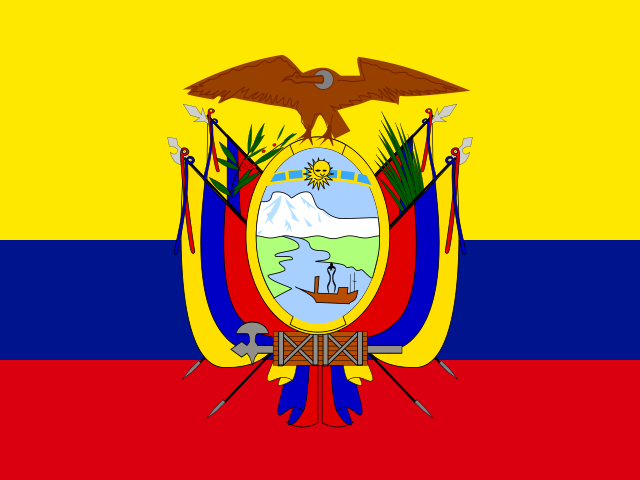
 Galápagos
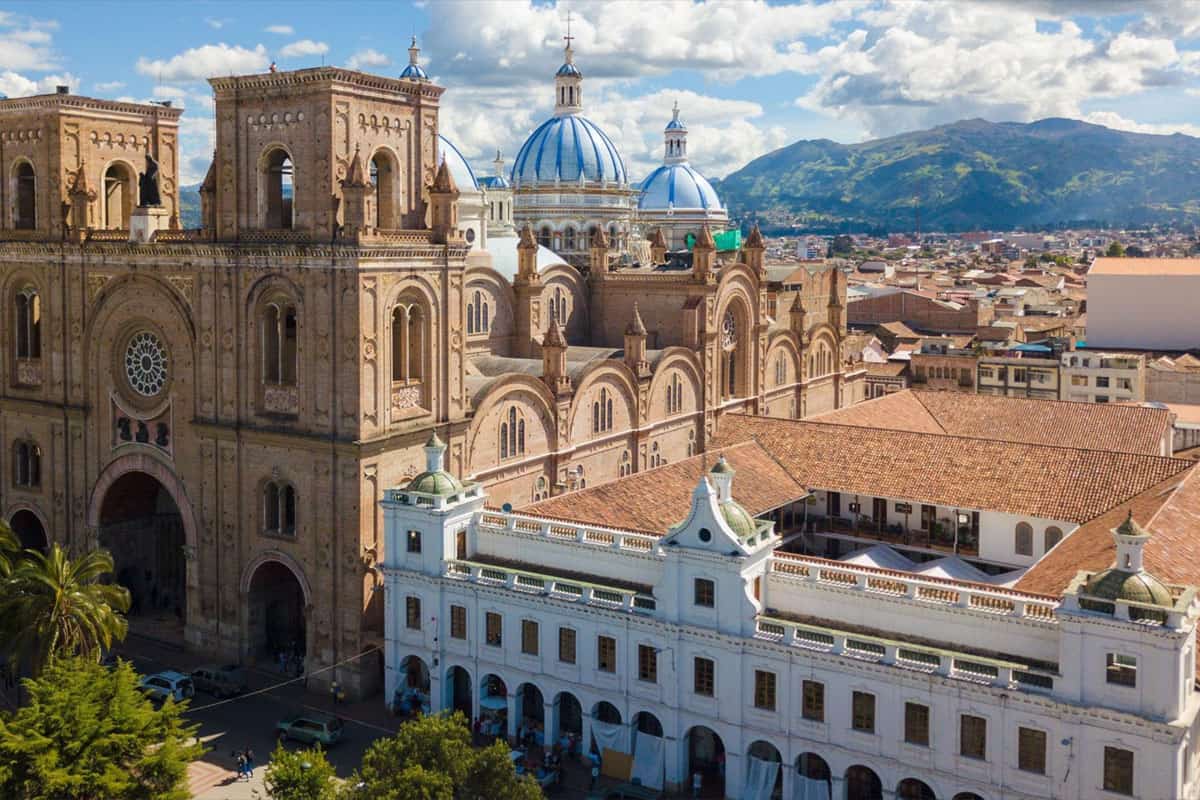 #Ecuador#Cuenca#Quito
 #Canada#Ecuador#Quito#Air Canada


 ColombiaCaribbean coast, coffee hills and colourful colonial towns
 PeruMachu Picchu, Andean villages and world-class food
 PanamaThe famous canal, island paradises and cloud-forest coffee
_(cropped).jpg/500px-Arenal_volcano_(70785p)_(cropped).jpg)

 Costa RicaRainforests, volcanoes and the 'pura vida' lifestyle
.JPG/500px-Sur_de_M%C3%A9rida_(Venezuela).JPG)
 VenezuelaThe world's tallest waterfall, tabletop mountains and Caribbean isles
 NicaraguaLand of lakes and volcanoes with colonial towns and surf
 ArubaSunny, breezy island of white beaches and desert landscapes
 CuracaoCandy-coloured waterfront and hidden beach coves