
.jpg/1920px-Granada_(25987961022).jpg)


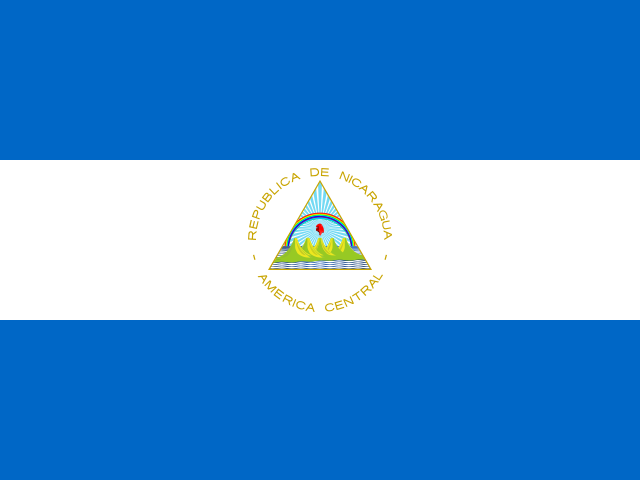
Nicaragua📸 Photo album · 4 photos · Ultra-HD
Land of lakes and volcanoes with colonial towns and surf
🕒 –:– local time2 stories this week2 sources 6 top placesCapital Managua
Nicaragua sits where Mesoamerica meets the cultures of South America, and its history reflects both. Ancient footprints preserved in volcanic ash near Managua, known as the Huellas de Acahualinca, show people walking here thousands of years ago. By the time Europeans arrived, Nahua-speaking Nicarao and Chorotega peoples lived in the fertile Pacific lowlands, while groups such as the Miskito, Mayangna and Rama lived along the Caribbean coast and in the eastern rainforests. Lake Nicaragua's Zapatera and Ometepe islands are scattered with carved stone statues and petroglyphs from this era.
Spanish conquistadors arrived in 1522, and Granada and León were founded in 1524, becoming rival centres of colonial power. Pirates sailed up the San Juan River to raid Granada, prompting the Spanish to build the fortress of El Castillo. Meanwhile, the British allied with the Miskito people on the Caribbean coast, creating a separate cultural world that endures today. Nicaragua gained independence from Spain in 1821, joined the Federal Republic of Central America and became fully independent in 1838.
The nineteenth and twentieth centuries were shaped by rivalry between León liberals and Granada conservatives, the brief seizure of power by American adventurer William Walker in the 1850s, and repeated US intervention. Augusto César Sandino led resistance to US Marines in the late 1920s and early 1930s, and the Somoza family dominated the country from the 1930s until the Sandinista revolution of 1979. A civil war followed in the 1980s, and peace and elections came in 1990. A devastating earthquake struck Managua in 1972, and Hurricane Mitch hit hard in 1998. Political tensions have remained a feature of national life.
For travellers, Nicaragua offers colonial cities, a chain of active volcanoes, two great lakes, Pacific surf and Caribbean islands. Granada's colourful streets, León's revolutionary murals and cathedral, and the volcano island of Ometepe make the country's rich history easy to explore.
Entry rules depend on your passport and change often.
Before you book, check the official rules for your passport:
The latest visa and entry news for Nicaragua appears below as soon as publishers report it.
On 02/10/2026, a flood started in Nicaragua, lasting until 04/10/2026 (last update). The flood caused 0 deaths and 1 displaced .
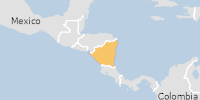 #Nicaragua#Weather & Alerts
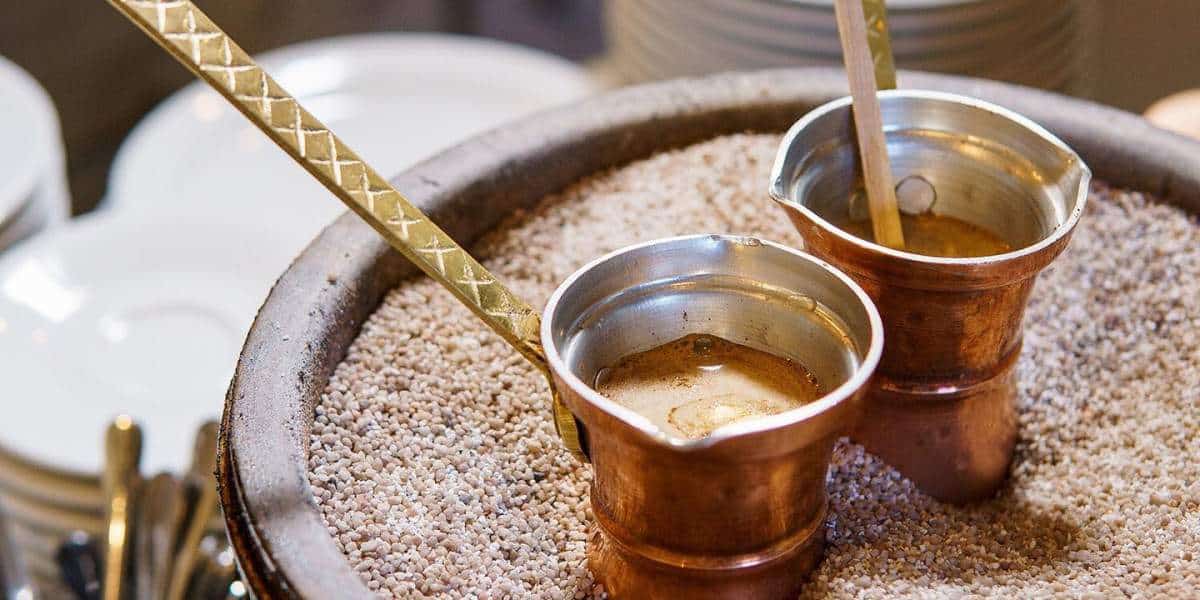
Nicaragua Gives High Importance to Coffee and Rural Life to Develop Tourism Infrastructure, While Colombia and Others Think Similarly Nicaragua puts coffee, nature and rural communities at the heart of tourism growth as Colombia…
 #Nicaragua#Colombia
Nicaragua is hot in the Pacific lowlands, with highs above 30 °C most of the year. The northern highlands are cooler, and the Caribbean coast is wetter year-round.
Typical daytime highs and rain in Managua (approximate averages).
Day 1-2: Granada and boat trip on Lake Nicaragua. Day 3: Masaya Volcano. Day 4-5: Ometepe. Day 6-7: León and Cerro Negro volcano boarding.
Day 1-3: Granada and Masaya. Day 4-6: Ometepe. Day 7-8: San Juan del Sur. Day 9-10: León and volcano boarding. Day 11-14: fly to the Corn Islands.
Backpacker budget: about $25–40 a day
Emergency: 118 police · 115 fire · 128 ambulance
Augusto C. Sandino International Airport (MGA) in Managua is the main gateway. Land borders connect Nicaragua with Honduras and Costa Rica, with international buses crossing both.
✈️ Cheap flights to Nicaragua: airports, flight times & best time to fly →
Many travellers visit Nicaragua without problems, but political tensions can affect safety and entry. Check your government's latest travel advice before you go and stay informed during your visit.
December to April is the dry season and the best time for most activities. The rainy months bring lush scenery but heavier downpours, especially in September and October.
A week covers Granada, Ometepe and León. Two weeks lets you add the Pacific beaches or the Corn Islands.
It depends on your passport, and entry procedures can change. Check the official Nicaraguan government site or your nearest embassy before you travel.
Nicaragua is one of the more affordable countries in Central America. Chicken buses, local food and hostels help keep costs low.
Approximate daily cost per person (stay, food, local transport).
Chicken buses and minibuses are cheap, while tourist shuttles connect the main spots. Ferries cross to Ometepe and small planes fly to the Corn Islands.
Nothing in this tab yet – the agents add new stories every few minutes.
🌏 You reached the start of our archive.
.jpg/500px-Pico-Bonito_(12122463094).jpg)
 HondurasCaribbean reefs, Maya ruins and cloud-forest mountains
_(cropped).jpg/500px-Arenal_volcano_(70785p)_(cropped).jpg)

 Costa RicaRainforests, volcanoes and the 'pura vida' lifestyle
 El SalvadorSurf beaches, volcanoes and the world's best pupusas
_(16912331906).jpg/500px-Belize_Blue_Hole_(TMP)_(16912331906).jpg)
 BelizeBarrier reef islands, Maya temples and jungle adventures
 GuatemalaMayan ruins, volcano lakes and colourful highland markets
 PanamaThe famous canal, island paradises and cloud-forest coffee
 Cayman IslandsClear water, friendly stingrays and world-class diving
 JamaicaReggae rhythms, jerk spice and turquoise Caribbean bays