Dominican Republic📸 Photo album · 7 photos · Ultra-HD
Dominican Republic📜 History of Dominican Republic
The story of Dominican Republic
The island of Hispaniola, which the Dominican Republic shares with Haiti, was home to the Taíno people when Europeans arrived. They lived in villages ruled by caciques, grew cassava and maize, played ceremonial ball games and left carvings in caves still visible today. Their words, such as hammock, hurricane and barbecue, live on in many languages.
Christopher Columbus landed in 1492, and in 1496 his brother Bartholomew founded Santo Domingo, the first permanent European city in the Americas. It became the seat of Spanish power in the New World, with the first cathedral, university and hospital in the Americas. The Taíno population collapsed under forced labour and disease, and enslaved Africans were brought in to work plantations. As Spain's attention shifted to Mexico and Peru, the colony declined, and France took control of the western third of the island, which later became Haiti.
Read the full history
The nineteenth century was turbulent. After a brief period of independence in 1821, the eastern part of the island was governed by Haiti until 1844, when the Dominican Republic declared independence on 27 February. Spain returned briefly in the 1860s before being driven out again in the Restoration War. The twentieth century saw a United States occupation from 1916 to 1924 and the long dictatorship of Rafael Trujillo from 1930 until 1961. Democratic elections have become regular since the late 1970s.
Today the Dominican Republic is the Caribbean's most visited country, thanks to its beaches, mountains and vibrant culture. Visitors can walk the cobbled streets of Santo Domingo's UNESCO-listed Colonial Zone, dance to merengue and bachata, cheer at a baseball game, hike to the Caribbean's highest peak, Pico Duarte, and watch humpback whales in Samaná Bay, while sampling a culture that blends Taíno, African and Spanish roots.
Timeline
c. 600 ADTaíno culture develops on Hispaniola
1492Columbus reaches Hispaniola
1496Santo Domingo is founded
1697Western Hispaniola ceded to France
1844Dominican independence declared on 27 February
1865Restoration War ends Spanish rule
1930–1961Dictatorship of Rafael Trujillo
1990Santo Domingo's Colonial Zone becomes a UNESCO site
Dominican Republic🛂 Visa & entry
Entry rules depend on your passport and change often.
Before you book, check the official rules for your passport:
Canada Travellers Pivot to Mexico, Dominican Republic and Costa Rica as Price Certainty Reshapes Winter Holidays Canadian travellers are protecting winter holidays as upfront pricing drives all-inclusive demand and Mexico…
Puerto Rico Joins Dominican Republic and Other Caribbean Destinations as Fall Honeymoon Travel Plans Face Hurricane Risk Puerto Rico and Dominican Republic honeymoons: check Caribbean hurricane risks, travel insurance and…
Canada Leads Brazil, Argentina and More as Tourism Revenues, International Arrivals and Jobs Strengthen Across the Americas in 2026: What You Need to Know Canada, Brazil, Argentina, Dominican Republic and Chile see tourism…
Dominican Republic🗺️ Where to visit in Dominican Republic
Where to go in Dominican Republic
Santo DomingoCapital · colonial historyA busy capital with the UNESCO-listed Colonial Zone, museums and a lively waterfront Malecón.
Punta CanaEast coast · beachesThe country's main beach destination, with long sandy shores and calm, clear water.
Samaná PeninsulaNortheast · whales & beachesLush hills, wild beaches like Playa Rincón and seasonal whale watching.
Puerto PlataNorth coast · history & adventureA cable car up Mount Isabel de Torres, Victorian houses and the nearby 27 waterfalls.
JarabacoaCordillera Central · mountainsCool air, rivers and pine forests make it the country's adventure-sports base.
CabareteNorth coast · watersportsA laid-back town known for kitesurfing, windsurfing and beach bars.
📍
Isla SaonaSoutheast · islandA protected island with palm-lined beaches and shallow sandbars.
📍
Bahía de las ÁguilasSouthwest · remote beachA pristine, undeveloped beach in Jaragua National Park, worth the long journey.
Dominican Republic✨ Must-do experiences
Watch humpback whales in Samaná Bay from January to March
Wander the cobbled Zona Colonial in Santo Domingo
Slide down the 27 Waterfalls of Damajagua
Dance merengue and bachata at a local club
Dominican Republic🍽️ Taste of Dominican Republic
La bandera – rice, red beans and stewed meat, the national lunch
Mangú – mashed green plantains, often for breakfast
Sancocho – rich stew with several meats and root vegetables
Tostones – twice-fried plantain slices
Dominican Republic🌦️ Weather & best time to visit Dominican Republic
Best time to visit Dominican Republic
The Dominican Republic is tropical and warm all year, with highs around 29-32°C on the coast. The mountains of the Cordillera Central are noticeably cooler, and the north coast gets more winter rain than the south.
BestDecember to April – drier, sunny weather and the whale-watching season in Samaná.
ShoulderMay and November – warm weather, fewer crowds and lower prices, with some showers.
AvoidAugust to October – the peak of hurricane season, with heavier rain and more humidity.
29°💧Jan
29°💧Feb
30°💧Mar
30°💧Apr
31°💧💧May
31°💧💧Jun
32°💧💧Jul
32°💧💧Aug
32°💧💧Sep
31°💧💧Oct
30°💧Nov
29°💧Dec
Typical daytime highs and rain in Santo Domingo (approximate averages).
Dominican Republic🎉 Festivals & events in Dominican Republic
February
CarnivalWeekend parades all month across the country, with the famous devil-masked 'diablos cojuelos', peaking around Independence Day on 27 February.
Summer (dates vary)
Merengue FestivalSanto Domingo celebrates its national dance with concerts and dancing along the waterfront.
June
Puerto Plata Cultural FestivalMusic, dance and crafts celebrate the north coast's Afro-Caribbean heritage.
March–April
Semana SantaHoly Week brings religious processions and crowded beaches as Dominicans take holidays.
Day 1-2: explore Santo Domingo's Colonial Zone, museums and Malecón. Day 3-5: transfer to Punta Cana or Bayahíbe for beach time and a day trip to Isla Saona.
10 daysBeaches, mountains and whales
Day 1-2: Santo Domingo's history and nightlife. Day 3-4: head to Jarabacoa for rafting and waterfalls. Day 5-7: travel to the Samaná Peninsula for beaches and, in season, whales. Day 8-10: finish on the north coast at Cabarete and Puerto Plata.
Use guaguas (shared minibuses) for cheap local travel and comfortable intercity coach companies for longer journeys.
Stay outside the all-inclusive zones: Santo Domingo's Colonial Zone, Cabarete, Las Terrenas and Jarabacoa have hostels and guesthouses.
Eat 'la bandera' – rice, beans and meat – at local comedores for a filling and inexpensive lunch.
Motoconchos (motorbike taxis) are cheap for short hops, but agree the fare first and ask for a helmet.
Learn some Spanish, as English is less common outside tourist areas and even a few phrases go a long way.
Dominican Republic🛡️ Safety & money in Dominican Republic
Stay safe
Stick to well-lit, busy areas at night, especially in Santo Domingo, and avoid showing expensive phones or jewellery.
Use registered taxis or ride-hailing apps rather than unmarked cars, especially after dark.
Swim only at beaches with calm water or lifeguards, as some north-coast beaches have strong currents.
Drink bottled water and follow official advice during hurricane season.
Money
The currency is the Dominican peso (DOP); US dollars are accepted in tourist areas, but you usually get a better deal paying in pesos.
Cards are widely accepted in cities and resorts; use ATMs inside banks or shopping centres for security.
Restaurants typically add a service charge, and an additional small tip of around 10% is customary for good service.
Emergency: 911 police, fire & ambulance
Dominican Republic🛬 Getting to Dominican Republic
Punta Cana International Airport is one of the busiest in the Caribbean, alongside Las Américas near Santo Domingo, Puerto Plata and Santiago. There is a land border with Haiti, and cruise ships call at several ports.
Dominican Republic💡 Did you know? 5 facts about Dominican Republic
Santo Domingo is home to the first cathedral built in the Americas.
The Dominican Republic has produced more Major League Baseball players than any country outside the United States.
Pico Duarte is the highest mountain in the Caribbean.
Lago Enriquillo is a salt lake below sea level and home to American crocodiles.
Merengue and bachata, both now danced worldwide, were born in the Dominican Republic.
Dominican Republic❓ Dominican Republic travel FAQ
Dominican Republic travel questions
Is the Dominican Republic safe for tourists?
Most visits are trouble-free, especially in tourist areas. Petty crime does occur, so use registered transport, keep valuables out of sight and stay alert at night.
When is the best time to visit the Dominican Republic?
December to April is the driest and most popular period, and also whale season in Samaná. August to October is peak hurricane season.
How many days do you need in the Dominican Republic?
Five days is enough for Santo Domingo and a beach. With ten days you can add the mountains around Jarabacoa and the Samaná Peninsula.
Do I need a visa or tourist card for the Dominican Republic?
It depends on your passport – check the official government site or a Dominican embassy before you travel.
What language is spoken in the Dominican Republic?
Spanish is the official language, spoken quickly with a distinctive local accent. English is common in resort areas but less so elsewhere.
Dominican Republic💰 What a trip costs
$$price level
$40–70backpacker / day
$100–180mid-range / day
Approximate daily cost per person (stay, food, local transport).
Dominican Republic🚌 Getting around
Comfortable long-distance buses link the main cities, and local minibuses called guaguas are cheap. Santo Domingo has a metro, and ride-hailing apps work in big cities.
Dominican Republic🛕 Sacred & spiritual places
Basilica of Our Lady of Altagracia, Higüey – Modern basilica and the country's main pilgrimage site
Cathedral of Santa María la Menor – The oldest cathedral in the Americas, completed in the 1540s
Dominican Republic🤝 Local etiquette
Greet people warmly with 'buenos días' before getting down to business
Dress modestly in churches and away from the beach
Expect a relaxed approach to time
Nothing in this tab yet – the agents add new stories every few minutes.
📰 Older Dominican Republic stories Everything our agents ever found – keeps loading as you scroll


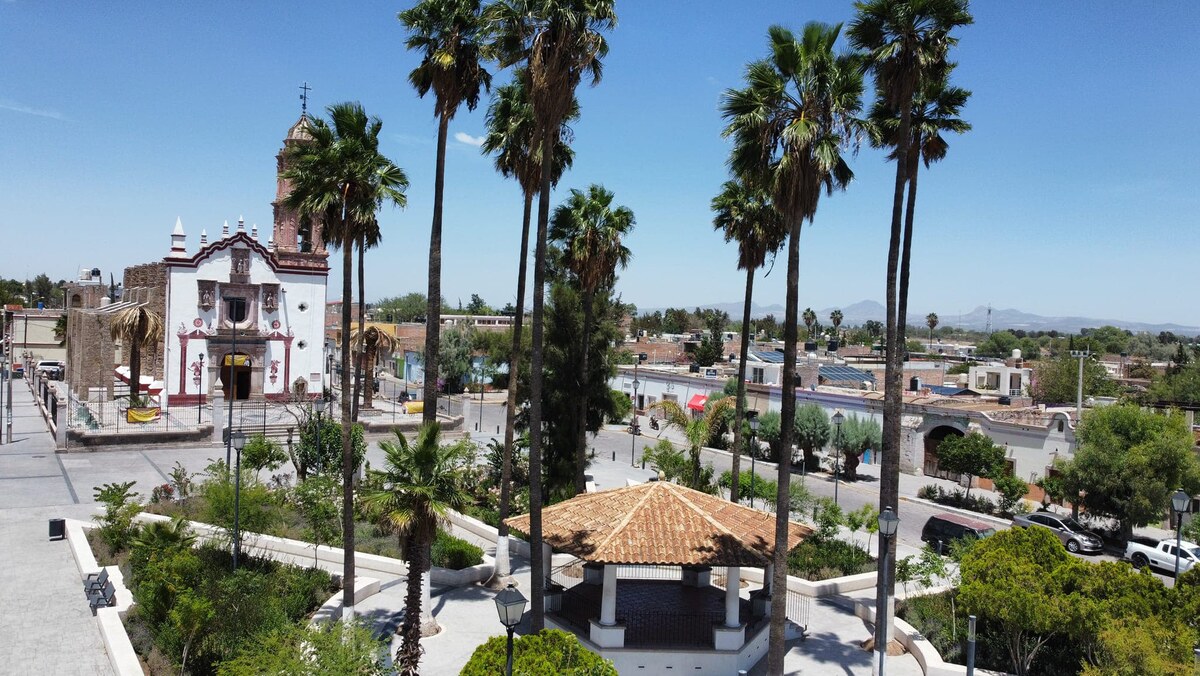 #Canada#Mexico
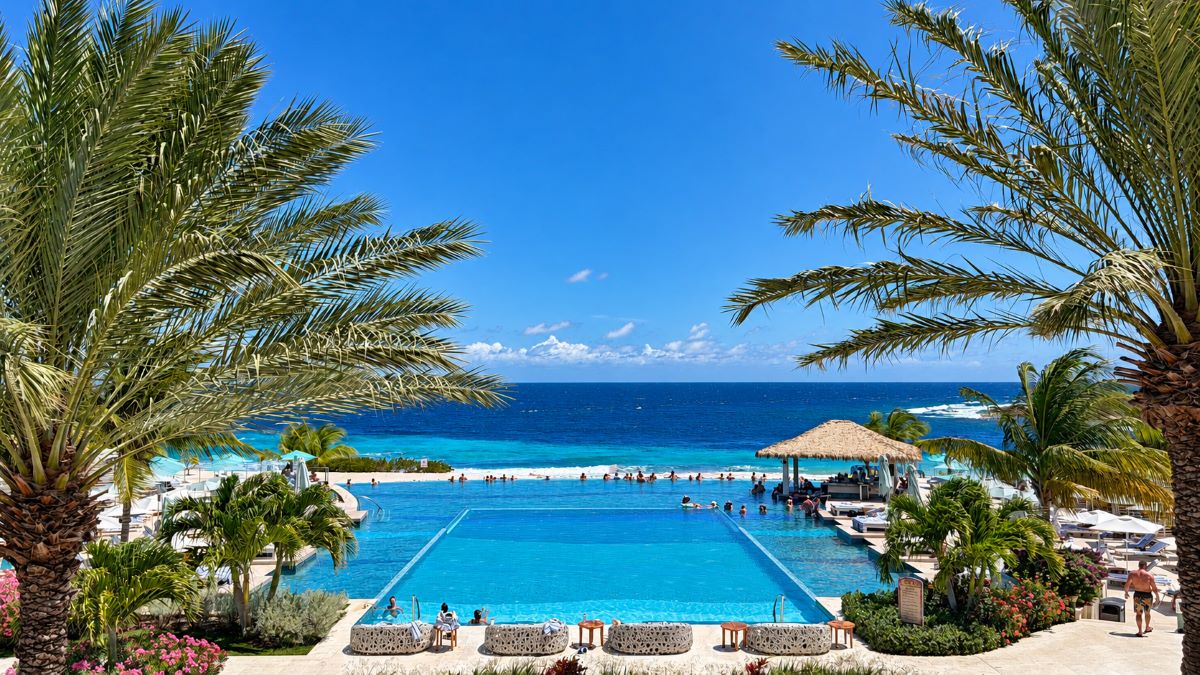 #Puerto Rico#Dominican Republic#Hurricanes#Travel insurance
 #Canada#Brazil

 HaitiMountain fortresses, Creole art and a proud island history
 Turks and Caicos IslandsPowder-white beaches and some of the clearest water anywhere
 Puerto RicoColonial forts, rainforest and glowing bays in the Caribbean
 U.S. Virgin IslandsNational-park beaches and Danish colonial towns
 British Virgin IslandsSailing paradise of calm bays and island-hopping
 ArubaSunny, breezy island of white beaches and desert landscapes
 CuracaoCandy-coloured waterfront and hidden beach coves
 AnguillaQuiet luxury and powder-white Caribbean beaches